
Last updated November 23, 2026
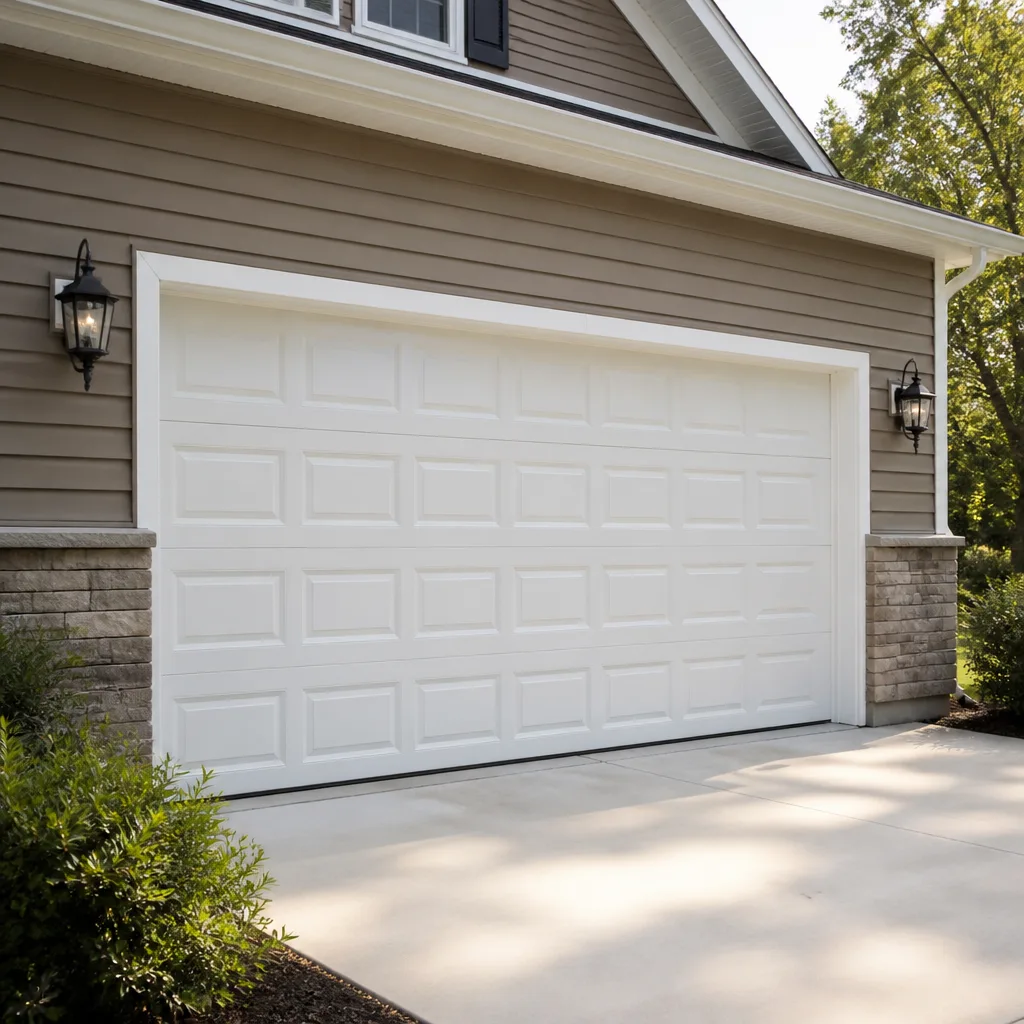 Raised-panel steel
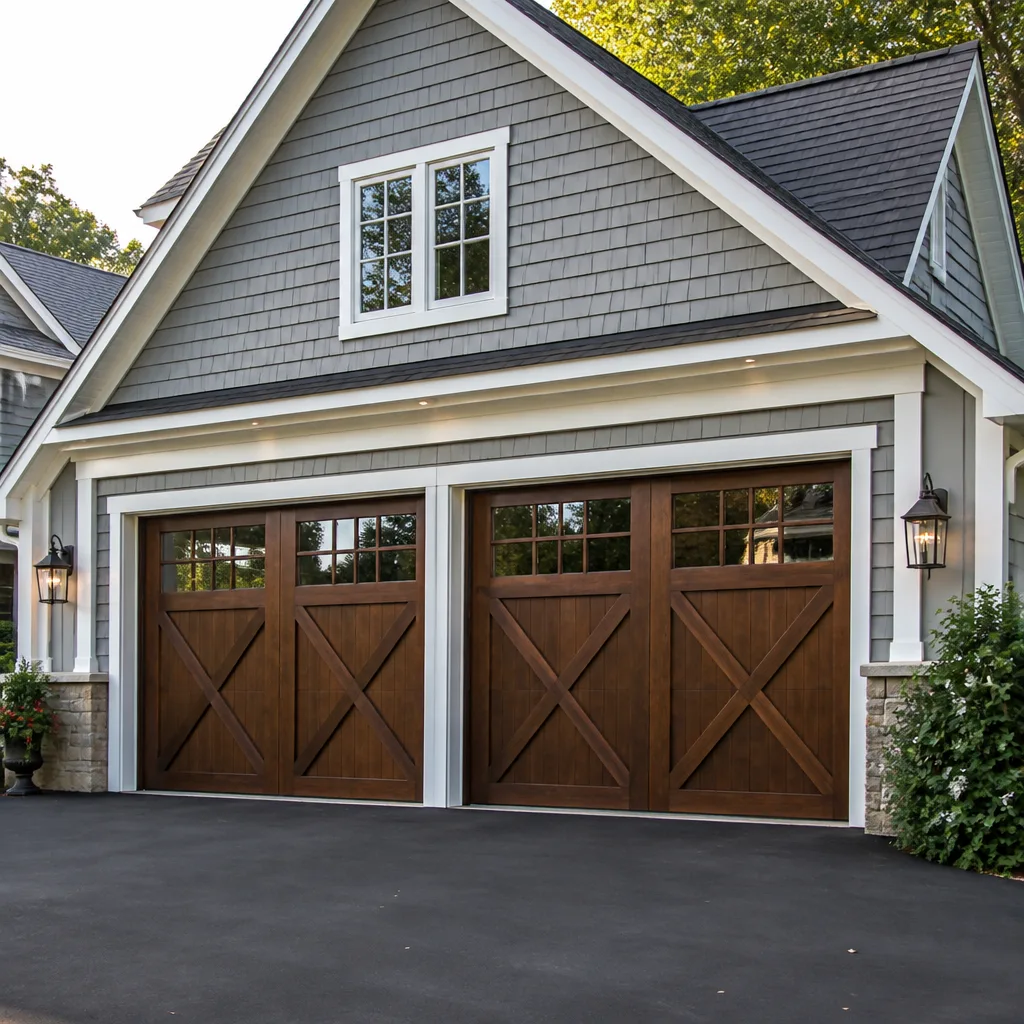 Carriage house
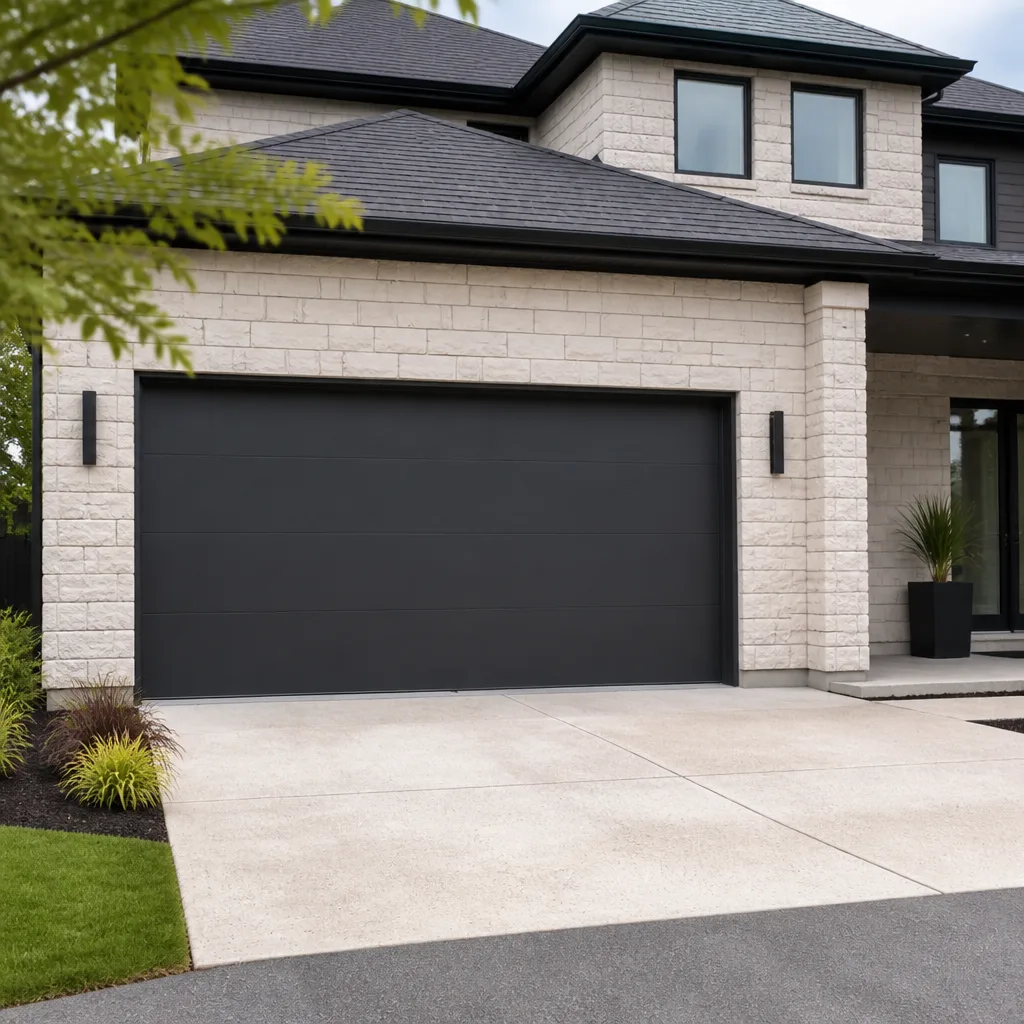 Modern flush
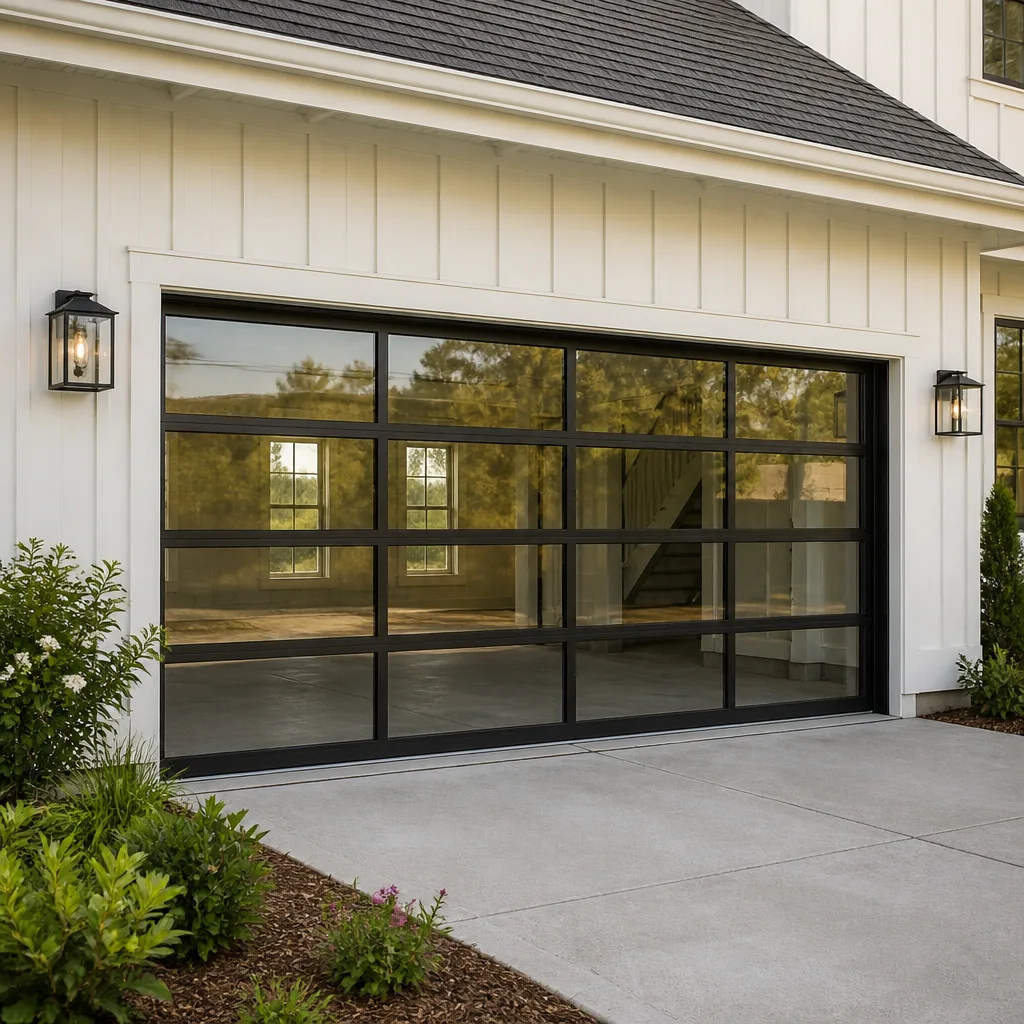 Full-view glass
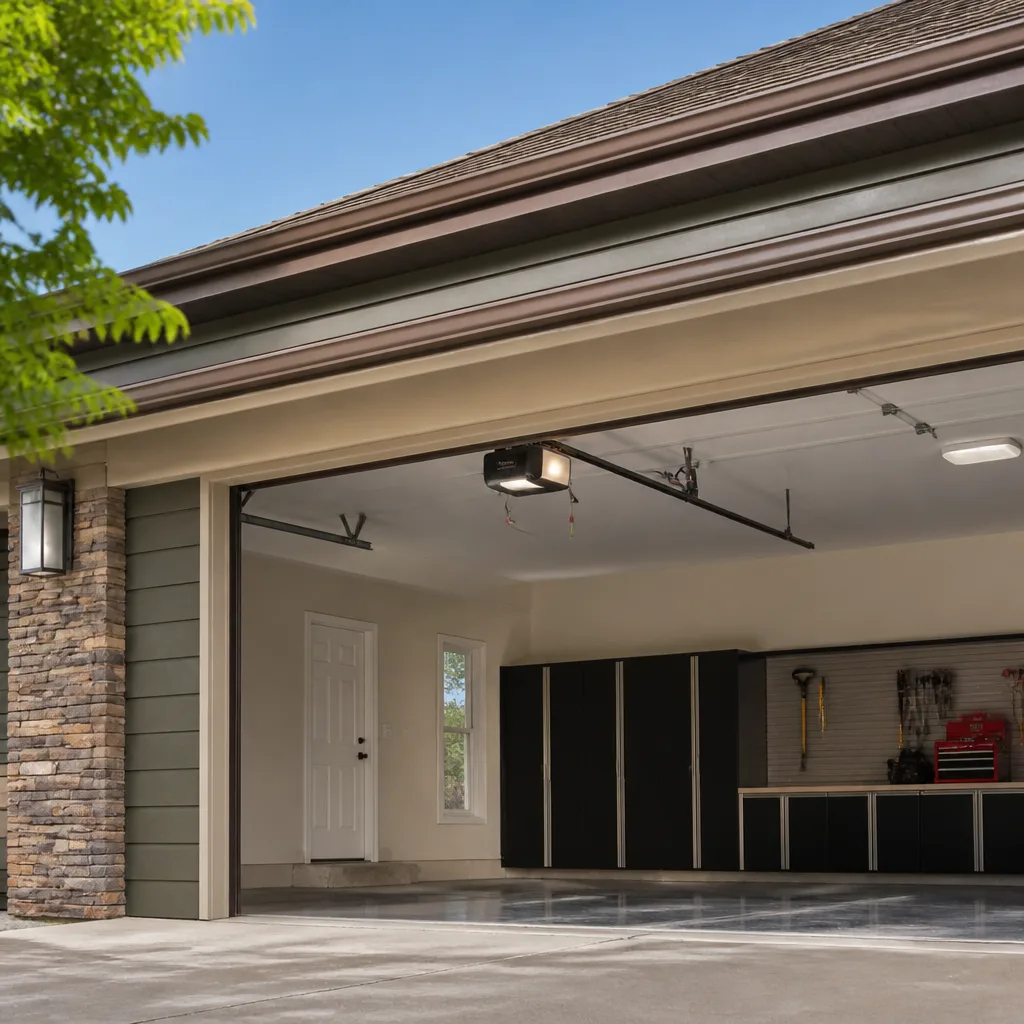 LiftMaster openers
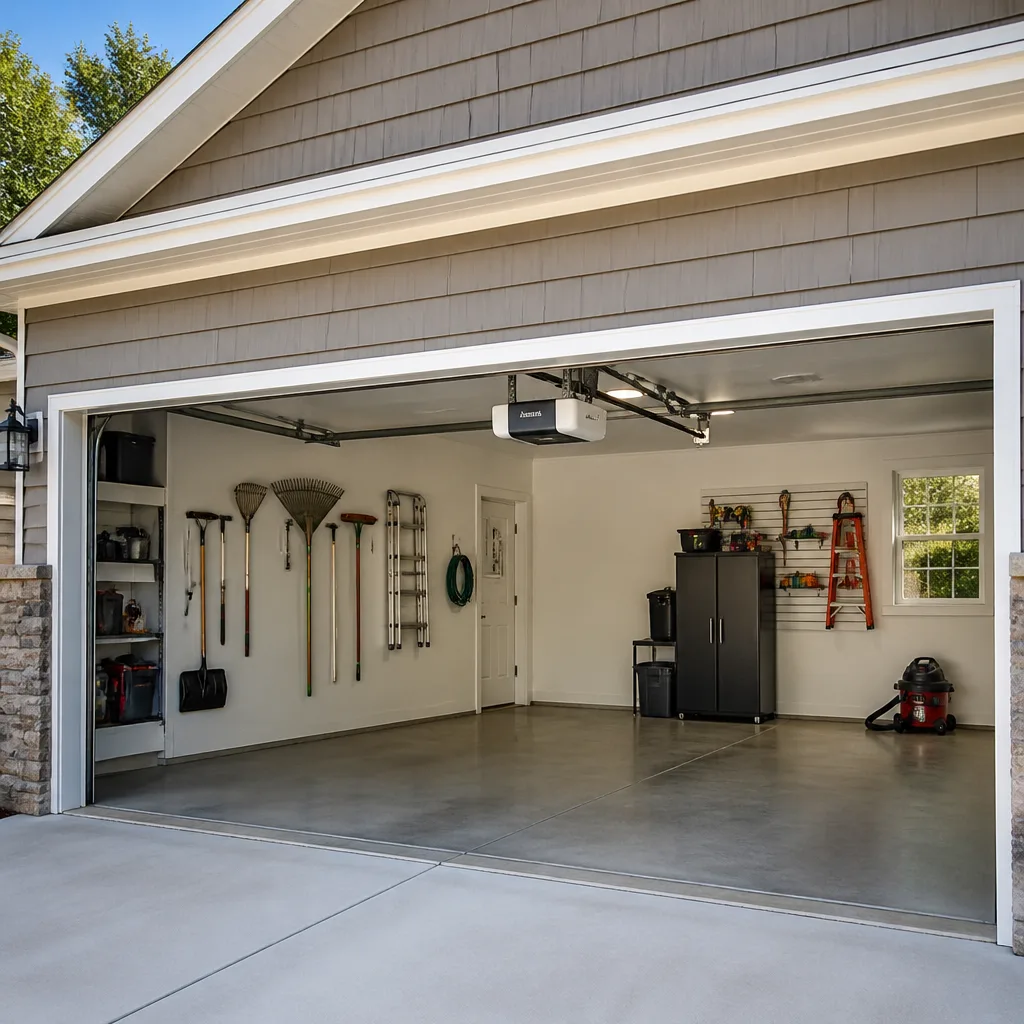 Chamberlain openers
Full 25-point door and opener safety check with every visit - springs, cables, rollers, tracks, and your LiftMaster or Chamberlain opener included
You get a price before we start. It does not change when the pro arrives.
Get your free estimateGarage Door Warning Signs: A Leesburg Homeowner’s Reference Guide
Most garage door advice treats every symptom the same, which is exactly why so many Leesburg homeowners end up worrying about the wrong thing. A noisy opener that creaks and groans is often a dry hinge that needs a little lubrication. A cable with a few broken strands is a door that’s weeks from dropping a corner and bending the whole panel. Those two problems look equally alarming when you’re standing in the driveway, but only one of them is an actual emergency. This guide teaches you to sort the cosmetic from the mechanical, so you spend your attention on the failures that actually cost money when they’re ignored. We’ll walk through the specific symptoms worth watching, the ones you can flag for later, and the point where each crosses the line into “stop using the door and call someone.”
Quick Answer
A garage door is showing warning signs when it moves slowly, opens unevenly, makes a grinding or popping noise, or reverses without an obstacle in the way. The symptoms that demand urgent attention are frayed or slack cables, a door that lifts on one side only, and any door that won’t stay up when you disconnect the opener. Cosmetic complaints like squeaks or a slightly rough track can usually wait a few days. The single most underreported sign is a slow door: taking more than 12 to 15 seconds to open from a full close means the door is fighting resistance that will break a spring within weeks.
Styles & brands we work with
- Raised-panel steel
- Carriage house
- Modern flush
- Full-view glass
- LiftMaster openers
- Chamberlain openers
Table of Contents
- How to triage a garage door symptom in Leesburg
- Why a slow door is the warning sign most homeowners miss
- Reading the sounds: spring stress versus a dry hinge
- What frayed cable looks like at every stage
- What an uneven door tells you about the real failure
- Safety sensor warning signs beyond the blinking light
- The balance test that reveals a failing spring early
- Brand and model symptoms worth knowing
- Common mistakes to avoid
- When to call a professional
- Frequently asked questions
How to triage a garage door symptom in Leesburg
Before you diagnose anything, put every garage door symptom into one of two buckets: cosmetic or mechanical. Cosmetic symptoms affect how the door feels and sounds, but the door still balances, still tracks straight, and still stays up when you disengage the opener. Mechanical symptoms affect whether the door holds its own weight, which means failure is a matter of when, not if. The confusion happens because both buckets produce noise, both add strain to the motor, and both can make the door move slowly. So the test isn’t the noise itself; it’s whether the door still functions safely underneath it.
Walk this checklist in order, because the mechanical checks are the ones that matter most:
- Look at the door from underneath first. Stand in the garage with the door closed and scan both sides for a sagging bottom panel or daylight gaps. A door that sags on one side is telling you a spring or cable has already failed.
- Inspect the cables. Run your eyes down each side of the door where the cable rides the drum. Any fraying, kinks, or slack is a mechanical problem, not a cosmetic one.
- Listen once, then check the balance. If the door closes with a bang or thuds at the bottom, look at the balance test below before you assume the opener needs adjusting.
- Time the cycle. When the door is running normally, it should take 12 to 15 seconds to travel from full close to full open. Anything slower points to resistance in the mechanicals.
- Check the sensors last. Sensor problems usually stop the door from closing at all or cause it to reverse, and those symptoms are easy to rule out.
Once you’ve got a whole-door picture, you can sort the symptom into the right bucket. When you’re unsure, it’s fine to leave a door closed and parked until someone qualified looks at it. Our technicians have up to 8 years of experience, and the calls we get in Leesburg mostly come down to a handful of predictable failure patterns.
Why a slow door is the warning sign most homeowners miss
A door that “just seems a little slow” is usually the earliest reliable sign that a spring is failing, and it’s the one Leesburg homeowners report last, if at all. It’s not dramatic. The door still opens, the opener still hums, and nothing looks broken. So the door gets used, and the strain gathers. A garage door that takes more than 12 to 15 seconds to open from a full close is working against resistance that will snap a spring within weeks. The heavier the resistance, the sooner the failure.
The reason slow equals dangerous is mechanical. Torsion springs are wound to counterbalance the weight of the door exactly. When a spring loses tension or starts to fatigue, the door becomes heavier than the springs can lift, and the opener takes up the difference. Most openers are built to lift the door, not drag it, so a slow door means the motor is operating outside its design. That’s also why a slow door often shows up as a motor that quits mid-cycle or a door that reverses partway down for no obvious reason.
Time the cycle yourself on a clear day. Close the door fully, then start a stopwatch the moment you press the wall button and stop it when the door finishes opening. Do it twice. If both runs stretch past 15 seconds, the door is working too hard. Other slow-door signs:
- The door hesitates or stutters at one point in the cycle.
- The opener sounds strained or the motor housing gets noticeably warm after a single cycle.
- The door lifts quickly on one side and drags on the other.
- The door travels slowly at the bottom and speeds up near the top, or the reverse.
- A door that used to be smooth is now slow at the start, as if it has to gather itself.
Leesburg’s summers push the wood-frame and steel doors on the older streets hard, and doors on attached garages that face full afternoon sun cycle more often than most homeowners realize. A slow door isn’t a complaint about your impatience; it’s the door asking for attention before the spring gives out. If you’re seeing it, garage door spring repair is worth discussing before the symptom becomes a failure.
Reading the sounds: spring stress versus a dry hinge
The trick to diagnosing a garage door by ear is to picture where the sound is coming from, not what it sounds like. A torsion spring under excess stress makes a high, metallic popping sound that travels through the door panels and feels like a tap under your hand. A dry hinge makes a low creak or groan, always at the same spot in the cycle, and it comes from the hinge line where the panels fold. Both are noisy. Only one is failing.
Here’s the profile of each, described the way you’d actually identify them standing in the garage:
- Torsion spring under stress: A sharp, metallic pop or a series of taps during the first second of opening. It often sounds like something’s striking the metal panel near the top of the door. You may hear it once per cycle and not at all when the door closes. A torsion spring that pops is telling you the coils are losing tension or a coil has broken.
- Extension spring under stress: A twang or stretch that runs the length of the spring. It’s not a crack; it’s a long, metallic groan that starts as the door begins to lift and lasts a second or longer.
- Dry hinge or roller: A steady creak, squeak, or scrape that repeats at the same point in the cycle and doesn’t change from one day to the next. The door still balances when you test it. This is cosmetic, and it’s usually fixable with a proper garage door hinge lubricant.
- Grinding: Metal on metal, usually a door out of track or a roller seized in its bracket. This one belongs on your shortlist for a technician rather than a can of lubricant, because grinding wears the track and can bend a panel.
- Bang or clunk at the end of travel: The door hitting the bottom or the top with too much force. This is an opener force setting and a balance problem, not a hinge issue.
We think about this distinction every week in Leesburg, because the two sounds get reported the same way: “the door is loud.” Real precision here saves real money. A spring that pops on every cycle is on borrowed time. A hinge that squeaks is going to keep squeaking until someone lubes it, and it will annoy you for months without ever failing.
What frayed cable looks like at every stage
A garage door cable fails in stages, and the visual difference between each stage is what tells you whether you have time to plan the fix or need to stop using the door today. The cable is steel braided from small strands, and those strands break one or two at a time before the cable goes. Fraying itself is not a cosmetic finding; when you see it, the cable is already compromised.
Here’s what each stage actually looks like when you shine a flashlight along the cable where it rides the drum at each top corner of the door:
- Stage one – a single broken strand. A fine, wiry hair sticking out at one point. A single strand is usually a sign the cable is aging, and the door may still operate normally. Monitor it and plan to replace the set within a few weeks.
- Stage two – several broken strands at the same spot. The cable looks furred or fuzzy over a stretch of an inch or more, like a frayed rope. This crosses from monitor to replace soon. Stop using the door repeatedly and get it looked at before the rest gives.
- Stage three – birdsnesting or a kinked cable. The cable is bunched, wound over itself, or twisted off the drum. This is a replace immediately situation. The door can drop a corner or come off the track without warning.
- Stage four – a snapped cable. The cable is separated or hanging loose from one side of the door. Stop using the door. A door with one cable gone will drop the opposite corner and can bend panels, break glass, or injure anyone underneath.
Fraying is easy to miss because it lives up near the springs, where the drum is tucked against the ceiling, so most homeowners never look at it. Start from the floor and follow each cable upward with the door fully closed. The cable should run clean and tight against the drum, with no rust spots that look like the cable is thinning. If you see stage two or beyond, treat the cable as gone and keep the door parked until a technician has replaced the set. Cables and garage door spring repair are often handled in the same visit, since the two systems work together and the spring can’t be trusted if the cable was already failing.
There’s a reason we’re careful about how we describe this: a snapped cable stores huge force and can whip with no warning. This is not a job for a homeowner with a pair of pliers, no matter how handy you are. A trained technician has the tools and the procedure to release that tension safely.
What an uneven door tells you about the real failure
A garage door that lifts faster on one side than the other is almost never an opener problem, which is the assumption most homeowners make. The opener lifts the center of the door. If one side rises ahead of the other, the difference is in the mechanicals on each side, which means one side is getting more lift than the other. That imbalance points to one of a small number of specific failures, and knowing which is which tells you how soon to call.
The four most common causes of an uneven door, in order of severity:
- A broken torsion spring on one side of a two-spring setup. On a door with two torsion springs, one can break while the other keeps working, so the door lifts on the surviving spring side and drags on the broken side. This is the most common cause of a sudden uneven lift, and it should be treated as a mechanical failure. A door running on one spring of a pair loads that spring past its design and strains the whole system.
- A cable off the drum. If the cable has slipped its drum on one side, the door loses its lift on that corner and rises unevenly or binds. This is a stop-using-it scenario, because a cable that’s off its drum can slip the rest of the way under load.
- A broken extension spring on one side. On doors with side-mounted extension springs, the door has one spring per side. A broken one is easy to spot because the door lifts strongly on the other side and sags on the broken side.
- A seized roller or a track out of alignment. Less sudden and less dangerous, but if one corner is dragging, it can force the door out of square over time.
An evening-the-door-out test helps here. Open the door partway and stop it, then look at the gap between the bottom of the door and the floor on both sides. On a healthy door the gap is even. On an uneven door one corner hangs noticeably lower. In Leesburg, where many homes have a single-car or two-car door that’s cycled heavily through a busy family schedule, this is one of the failures we get called about most. A door that lifts unevenly should stay put until a technician has checked the springs and cables on both sides. This is a real instance where the local pro is licensed and insured as their state requires and the work belongs with someone trained for it, not in a homeowner’s toolbox.
Safety sensor warning signs beyond the blinking light
Most homeowners know the garage door safety sensor by its blinking light, but the sensors can fail in quieter ways that are more dangerous precisely because nothing looks wrong. The sensors are the two small units at the bottom of the track on each side of the door, and they form a beam across the opening to stop the door if something or someone is in the way. When they behave intermittently, the door may still close most of the time, which is exactly when an intermittent sensor is most dangerous.
Watch for these signs, which go well beyond the blinking light:
- Intermittent reversal. The door closes partway and then opens again with nothing in the way. A dodgy sensor, a loose wire, or an alignment issue can cause this, and it means the safety system is misfiring rather than protecting.
- Delayed response. You press the wall button or the remote and the door waits a beat or two before moving. That delay isn’t normal, and it often points to a sensor that’s barely receiving the beam.
- Weather-correlated failures. The door fails to close on humid mornings, after a rain, or on the coldest days of the year. Condensation on the sensor lens and thermal contraction in the wiring both cause intermittent failures. Leesburg homeowners see this on the damp spring mornings and the frosty January ones, and it’s easy to shrug off as random.
- A quieter sign – the door closes without the sensor testing. If you walk through the beam while the door is closing and it doesn’t reverse, the sensor isn’t working, even if the light looks steady. Flag that immediately.
- Remote range dropping. A remote that used to work from down the driveway now only works right at the door. That’s often the opener’s antenna or the remote’s battery, not the safety sensor, but it belongs on the same shortlist.
Sensor problems are one of the few areas where a homeowner can rule out a lot without tools. Clean each lens, check the alignment so both lights point at each other, and look for anything blocking the beam. If the problem comes back, it’s a job for a technician. Intermittent sensors are one of the most common reasons a Leeaburg door reverses unexpectedly, and this is exactly the kind of thing a generalist handyman will miss because it never shows up when they test it.
The balance test that reveals a failing spring early
The balance test is the single most useful thing a homeowner can do to catch a failing spring before it breaks, and it takes about a minute. The test uses the manual disconnect on your opener to take the motor out of the equation, so you’re feeling the door’s weight against its springs directly. A door that won’t stay up on its own is telling you its springs are losing tension or one has broken.
Before you run the test, understand what you’re handling. The door is heavy, and if a spring or cable has already failed, releasing the door can let it come down fast. Make sure the door is fully closed, nothing and no one is under the door, and you can move out of the way. If the door has a visible broken spring or a snapped cable, don’t run the test – call a technician instead.
Here’s the procedure:
- Locate the manual release. On most openers this is a red or yellow handle hanging from a rope or cord on the opener rail. This is the manual disconnect.
- Pull it with the door fully closed. The trolley will disengage, and the door is now free of the opener.
- Lift the door by hand about four feet off the floor. The door should feel manageable, roughly like lifting a lightweight wooden door, and it should stay where you put it when you let go.
- Release it halfway up. A healthy door holds its position. If it slides down, the springs aren’t holding the door’s weight.
- Re-engage the opener before using the door again. Pull the release again with the door closed so the trolley links back up.
A door that drifts down or drops to the floor in this test is a spring problem, not an opener problem. Don’t keep using the door in that state, and don’t try to fix the balance by adjusting the opener force. The springs are what hold the door up. When one is failing, the door will feel heavy, and pushing the opener harder is the surest way to break something else. Our teams in Leesburg use this same test on every spring call, and it’s the fastest way to know what we’re dealing with before we arrive.
A word on this one: the balance test is safe to do when the springs are intact. Spring and cable work itself is not. High-tension springs and the cables they pull store enough force to cause serious injury, and this is not a job for a homeowner. If the test points to a spring problem, that’s the point to call a professional.
Brand and model symptoms worth knowing
Some warning signs are universal, and some depend on the door or opener you actually have. We service LiftMaster, Chamberlain, Genie, Clopay, Amarr, Wayne Dalton, Craftsman, and Raynor, so we know the failure patterns that show up on each. Knowing your brand doesn’t mean you need to diagnose it yourself, but it does help you describe the symptom to whoever you call and understand why the fix may take a particular shape.
A few things we run into in Leesburg:
- Wayne Dalton and Amarr doors sometimes show slow travel when a roller has worn or the door’s own weight has shifted with age. A slow Wayne Dalton or Amarr door usually needs a balance check before the opener is blamed.
- Craftsman and Raynor openers with older logic boards sometimes cause the door to reverse or hesitate, especially when the motor is under strain from a door that’s out of balance. That’s why we always check the door’s mechanicals before we blame the opener.
- LiftMaster and Chamberlain openers with app-connected and smart-home features can behave oddly when the safety sensor or the door’s travel limits drift, so the app can show a fault while the door looks fine.
- Genie openers with older remotes and receivers can show reduced range and intermittent response, which often gets mistaken for a sensor problem.
The reason this matters for a warning-signs guide is that the same sound or symptom can mean different things on different systems. A grinding noise on a Wayne Dalton track isn’t the same complaint as a grinding noise on a Clopay door, and the fix differs. That’s why we ask for the brand and model up front, and it’s why we can usually tell you what’s likely wrong and what a visit will cover before we’re anywhere near the door. If you’ve got an opener that’s acting up or a door that’s due for an honest assessment, the fastest route is garage door repair rather than a generalist call.
Common Mistakes to Avoid
- Confusing a noisy door with a failing door. A creak is almost never urgent; a pop usually is. Sort the symptom before you panic about it, so you don’t pour concern into a dry hinge while ignoring a frayed cable.
- Letting a slow door run for weeks. The most common mistake we see in Leesburg is a door that’s been slow for a month because “it still works.” A slow door is the early warning, and the spring that’s failing is usually the one that started slow. Time the cycle and act on it.
- Greasing everything in sight. Lubricating the springs, the tracks, or the open gear of the opener does more harm than good. A proper garage door hinge lubricant belongs on the hinge points, not on the springs or the tracks.
- Trying to fix a spring or cable yourself. High-tension springs and cables store huge force, and a mistake can drop the door or throw the cable. This is the one part of the trade that genuinely belongs in a trained technician’s hands, not yours.
- Blaming the opener for a mechanical problem. A door that lifts unevenly or feels heavy is telling you about the springs and cables, not the motor. Adjusting the opener force to force a heavy door up will just break something more expensive.
- Ignoring sensors that only fail in weather. A door that acts up on damp mornings or cold snaps and works fine later is still a door with a real problem. Intermittent sensor faults are the ones that catch people when nothing is wrong on inspection day.
- Stopping at the blinking light. When the sensors are out, call it a safety issue and get it looked at. A door that fails to reverse can hurt someone, and that’s the whole reason the sensors exist.
When to Call a Professional
Call a professional for any symptom involving a spring, a cable, an uneven door, or a door that won’t stay up during a balance test. Those are mechanical failures with stored force behind them, and they belong with a trained technician. Cables, springs, and openers are where the trade concentrates the danger, so it’s worth being conservative here rather than handy. Also stop using the door if it’s off its track, if the bottom panel is sagging, or if you’ve heard a sharp metallic pop at the top of the door. Cosmetic issues like a light squeak or a slow sensor can usually wait a few days, and can be handled with a tech visit at a reasonable time rather than an urgent call.
Leesburg Garage Door Repair offers free estimates in Leesburg, and we’re happy to walk you through the symptom before we come out. Our garage door opener repair handles both legacy motors and app-connected systems, and garage door spring repair is a core specialty rather than something we avoid. Call (844) 427-1950. We answer 24/7. Fast dispatch from 7am to 7pm, Sunday through Friday, and a call outside dispatch hours is booked into the next opening, Sunday through Friday, 7am to 7pm.
Frequently Asked Questions
The first warning sign is usually a door that takes more than 12 to 15 seconds to open from a full close, or a door that feels heavier than usual in a balance test. More often than not, the spring that’s failing shows up as a slow lift before it shows up as a break. If your door is slow or won’t hold its position when you release the manual disconnect, that’s the spring asking for attention. Call (844) 427-1950 for an exact quote; estimates are free.
If you can see a single broken strand, monitor it and plan to replace the set soon. If the cable looks fuzzy over an inch or more, or it’s kinked or bunched off the drum, replace it now and stop using the door. A cable that’s already snapping or hanging loose is an emergency. The line between monitor and replace immediately is simple: anything that’s more than a single strand at one point means the cable has lost the strength it needs to hold the door. Call (844) 427-1950 for an exact quote; estimates are free.
Yes, a balance test is safe to run yourself when the springs and cables are intact and the door is fully closed. It’s the one check that tells you whether your springs are holding the door’s weight. Don’t run it if you can see a broken spring or a snapped cable, because releasing the door in that state can let it fall. Call (844) 427-1950 for an exact quote; estimates are free.
An uneven door is almost never an opener problem. The most common cause is a broken spring on one side of a two-spring setup, followed by a cable that’s slipped off its drum. A seized roller or an out-of-track door can also cause it, but those are easy to spot once the door is checked. An uneven door should stay parked until a technician looks at it. Call (844) 427-1950 for an exact quote; estimates are free.
Yes. A sensor that fails in damp or cold weather is a real safety failure, not random behavior. Condensation on the lens and thermal contraction in the wiring cause intermittent faults, and an intermittent sensor is more dangerous than one that’s fully out because it works on the day you test it. If it comes back after a clean and re-alignment, it needs a technician. Call (844) 427-1950 for an exact quote; estimates are free.
Often, yes. Because we work on LiftMaster, Chamberlain, Genie, Clopay, Amarr, Wayne Dalton, Craftsman, and Raynor, our technicians know the parts and procedures for your door or opener before they arrive. For springs, cables, and standard repair parts, that usually means a fix on the first visit. For a full door replacement, the door is measured, ordered, and scheduled after a written price. Call (844) 427-1950 for an exact quote; estimates are free.
Common Mistakes to Avoid, One More Time
We’ve put the list above, so here we’ll give you the short version you can remember from the driveway. Don’t confuse noisy with broken. Don’t let a slow door run. Don’t grease the springs or tracks. Don’t touch a spring or cable yourself. Don’t blame the opener for a mechanical problem. Don’t ignore sensors that only fail in weather. And don’t stop at the blinking light; a sensor that’s failing to reverse is a safety issue. If any of these is true for your door, calling sooner rather than later usually means a smaller fix.
See the difference
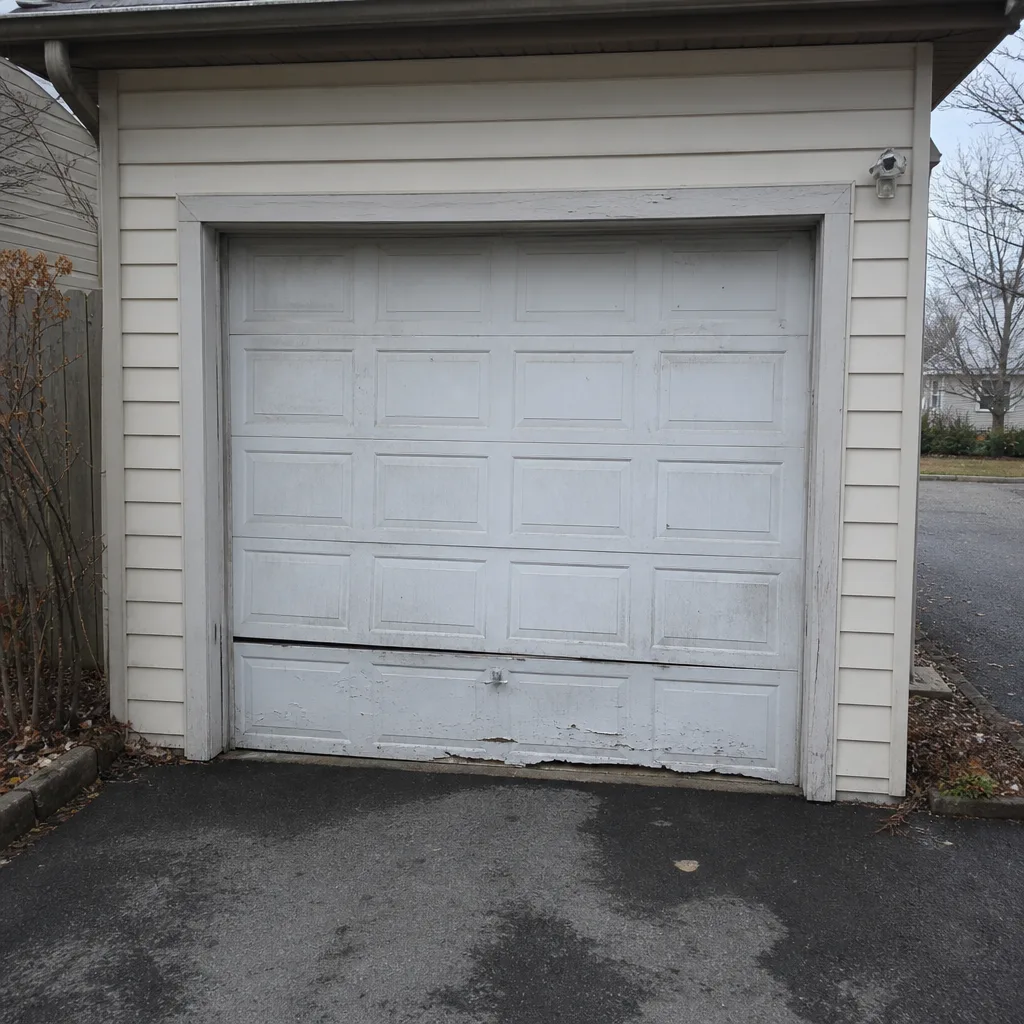 Before
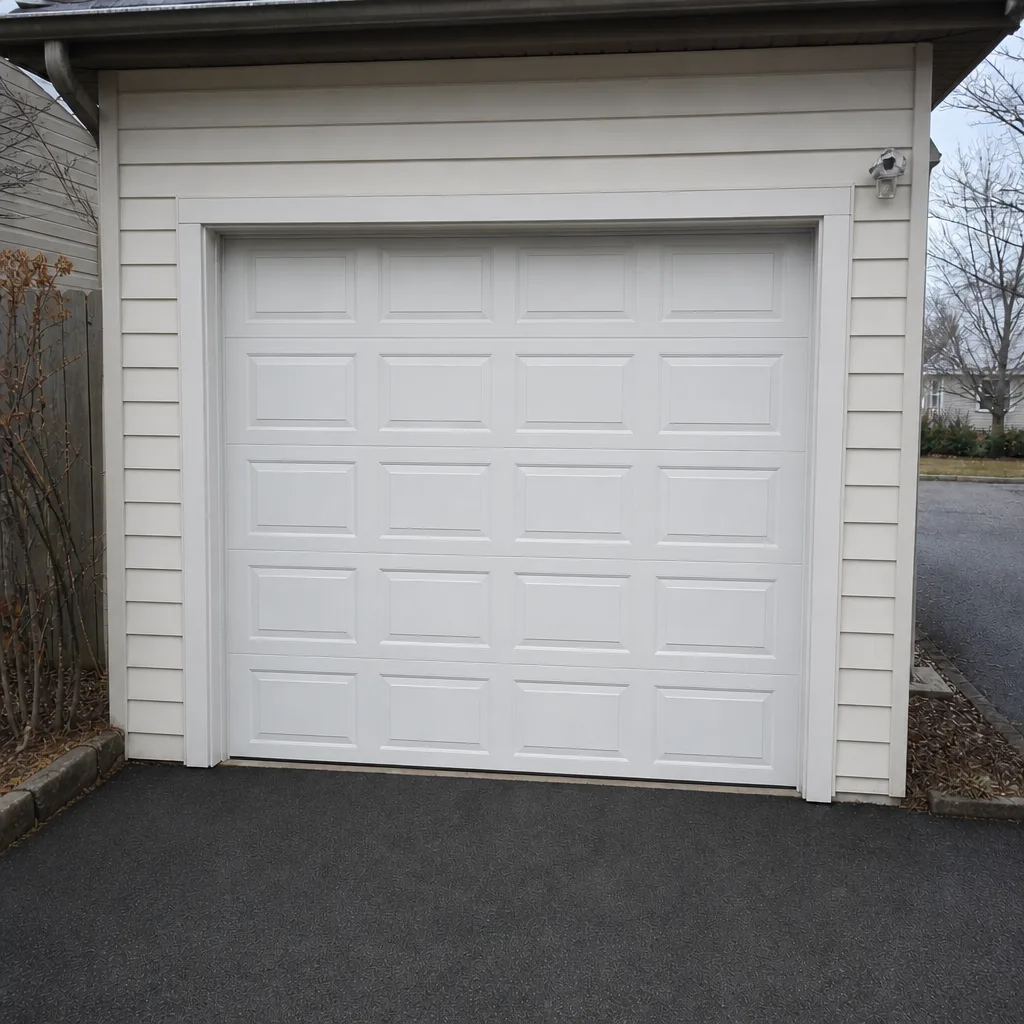 After
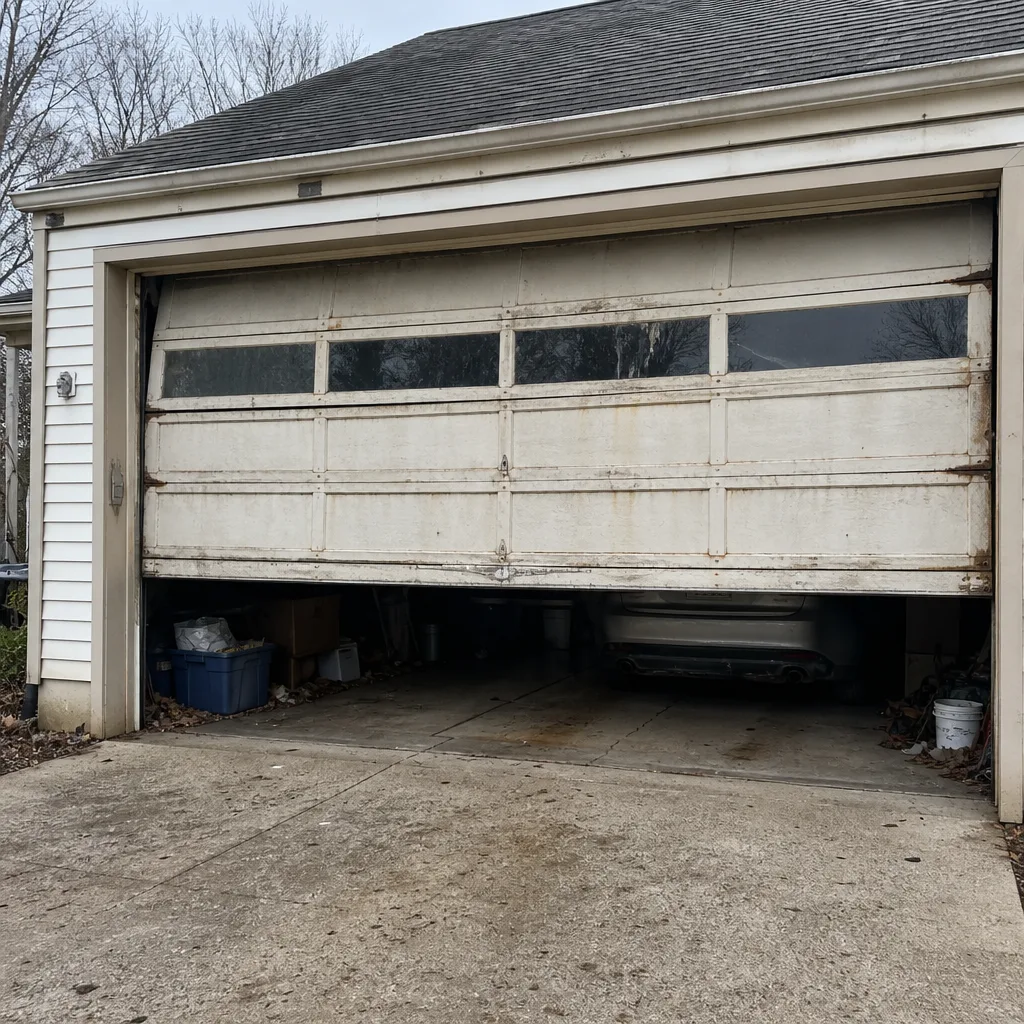 Before
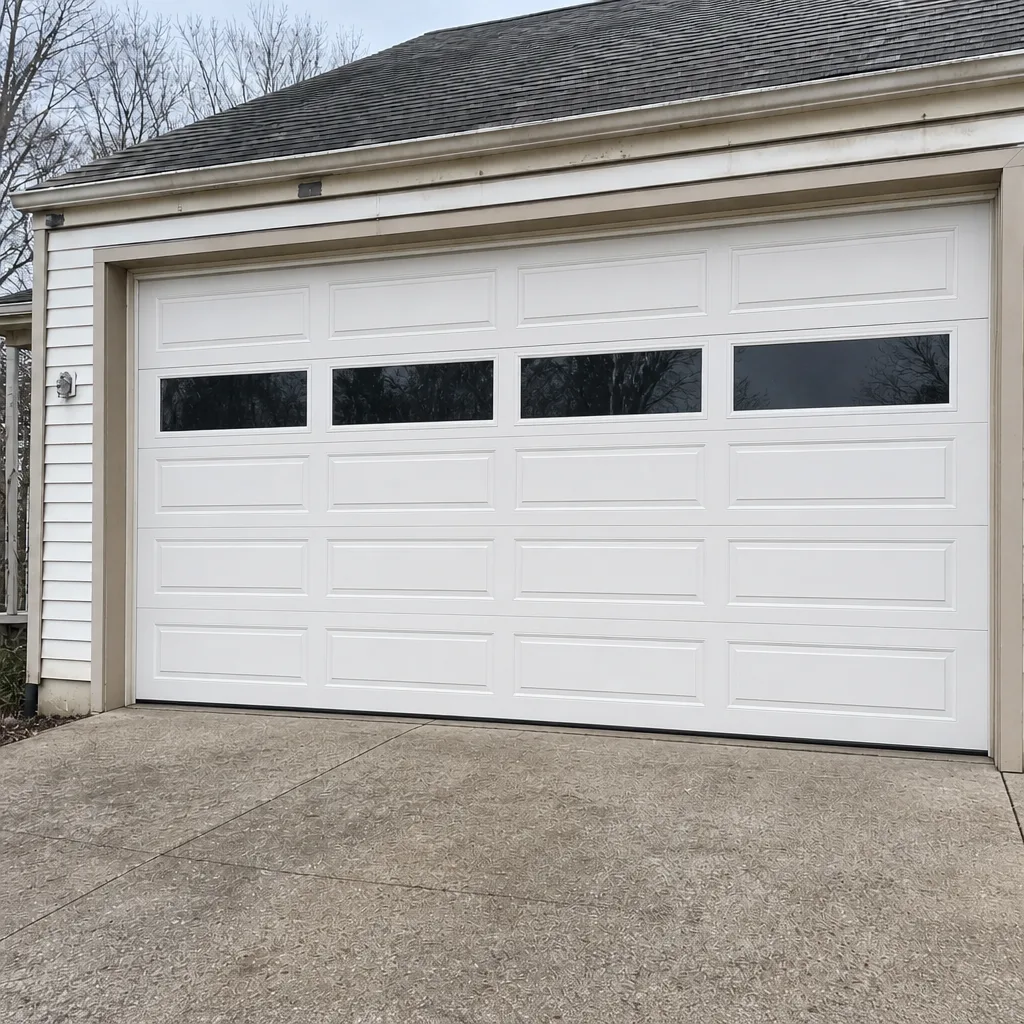 After
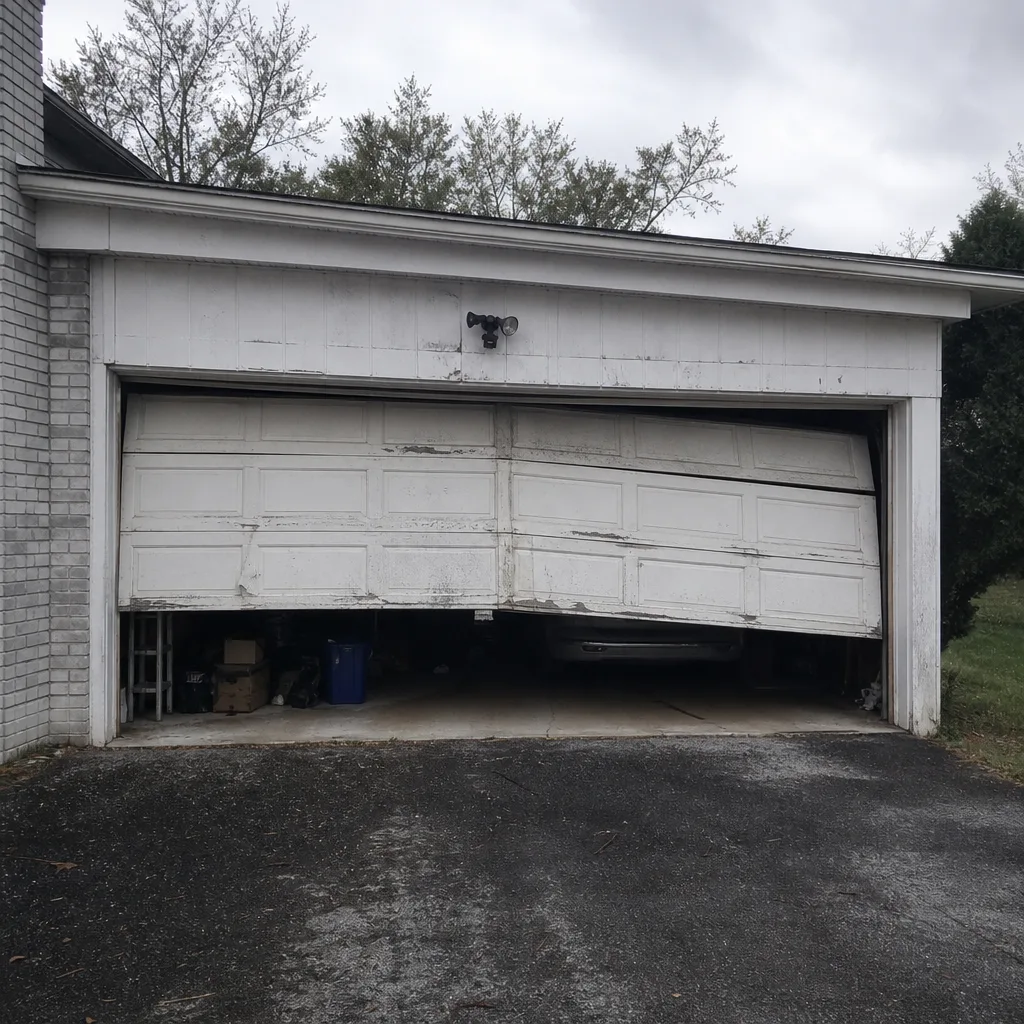 Before
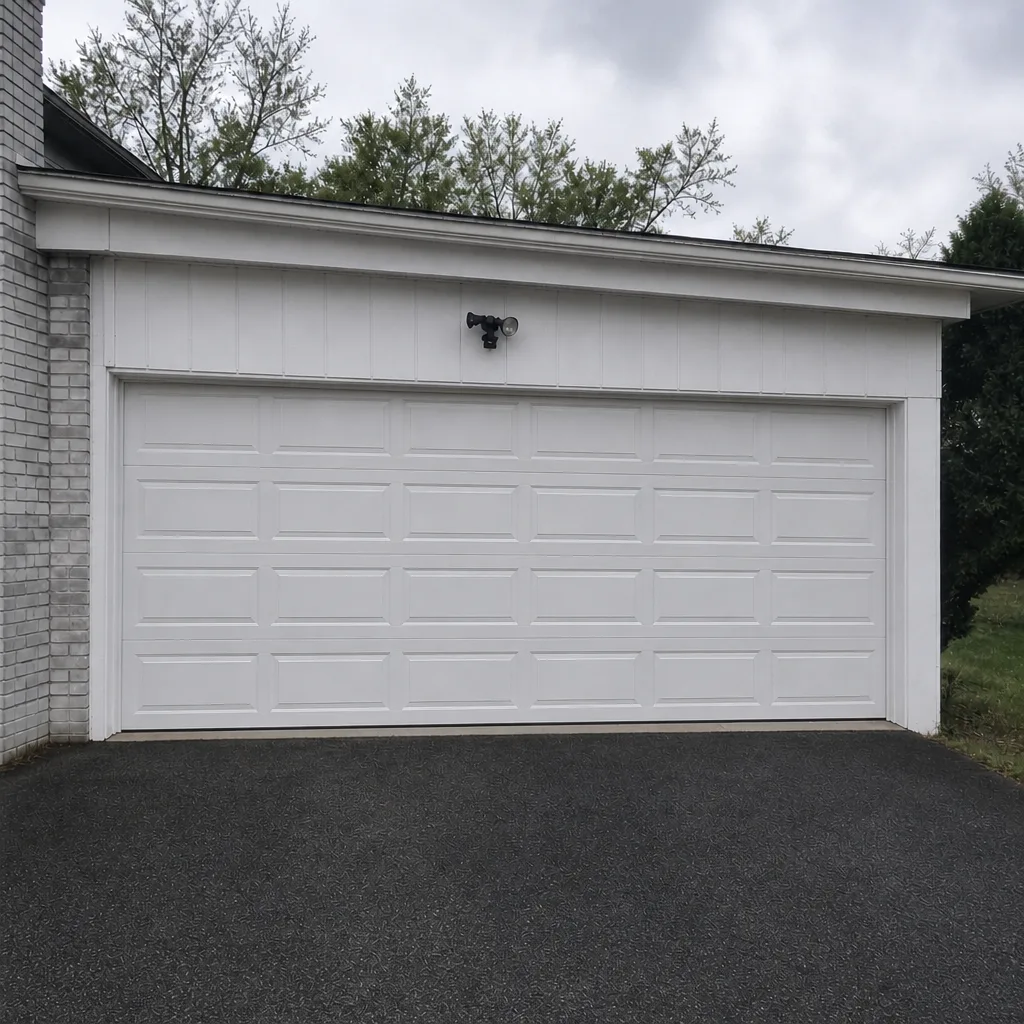 After
Your Next Step If Your Door Is Showing Symptoms
Start with the balance test and a two-minute look at the cables. If the door holds its position, tracks straight, and the noise is just a creak, you’ve got time and can plan a routine visit. If it’s slow, uneven, or the cables are fuzzy, the door has crossed into a real mechanical problem and shouldn’t be used until someone who knows the trade has looked at it. We handle garage door opener repair across legacy and smart-home systems, repair and full installation for every major brand, and emergency response when the door is stuck and the house isn’t secure.
For a door that’s stuck, a cable that’s hanging, or a spring that’s already broken, call us. For a new door, a replacement, or a slow door you’d like measured and priced, we’ll schedule it and give you a written price first. One call covers everything from a broken cable to a brand-new door. Leesburg Garage Door Repair is here for Leesburg homeowners, and a free estimate is the place to start.
Call (844) 427-1950. We answer 24/7. Fast dispatch from 7am to 7pm, Sunday through Friday. Every repair is quoted and agreed before any work starts, and the written estimate sets the final price.
The Bottom Line
Garage door symptoms aren’t all equal. A slow door, an uneven lift, a popping spring, or a frayed cable are mechanical problems that get worse and more expensive if you push them. Creaks, squeaks, a rough track, and a misaligned sensor are things you can plan around. Learn the difference once and the same sheet serves you for the life of the door: time the cycle, check the cables, run the balance test, and look at what the door is doing, not just what it sounds like. When the symptom puts a spring or cable on the shortlist, that’s the call to make today rather than next month.
Written by the team at Leesburg Garage Door Repair.