
Last updated November 23, 2026
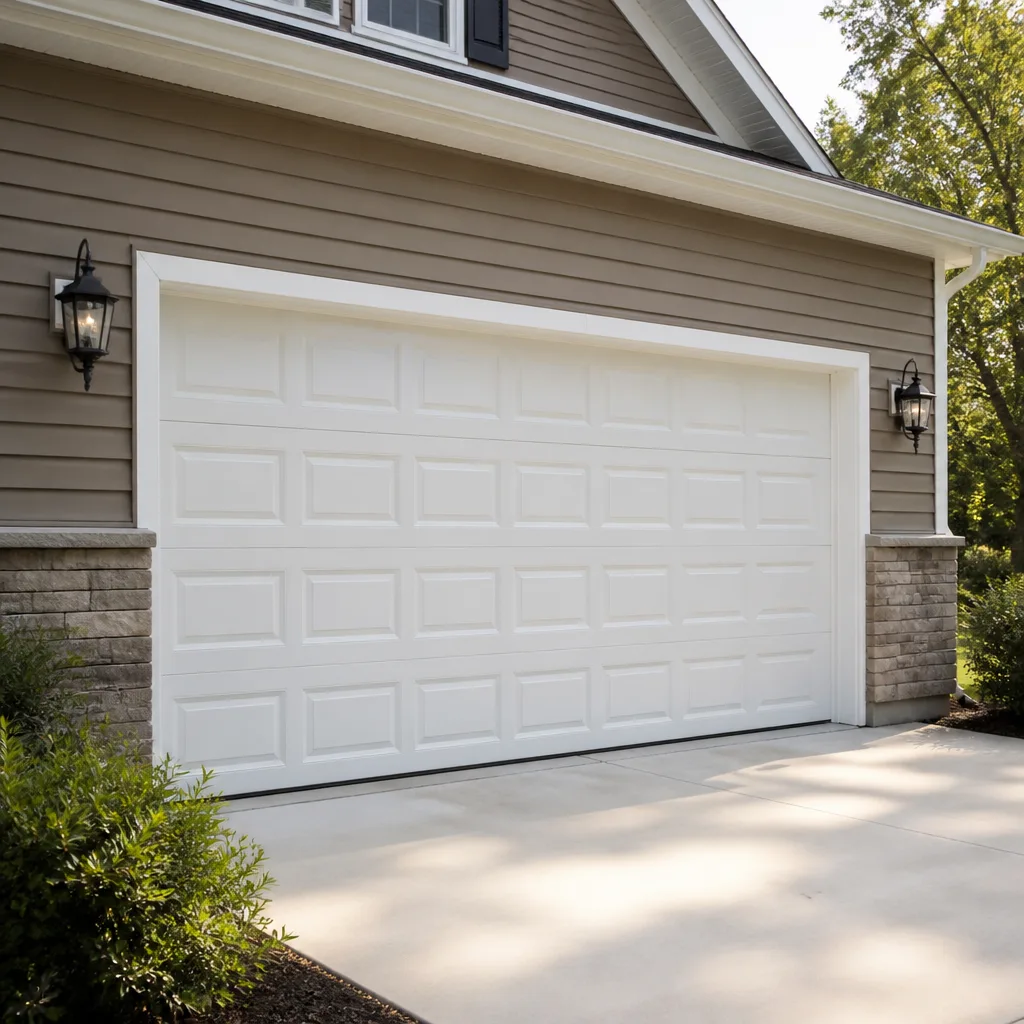 Raised-panel steel
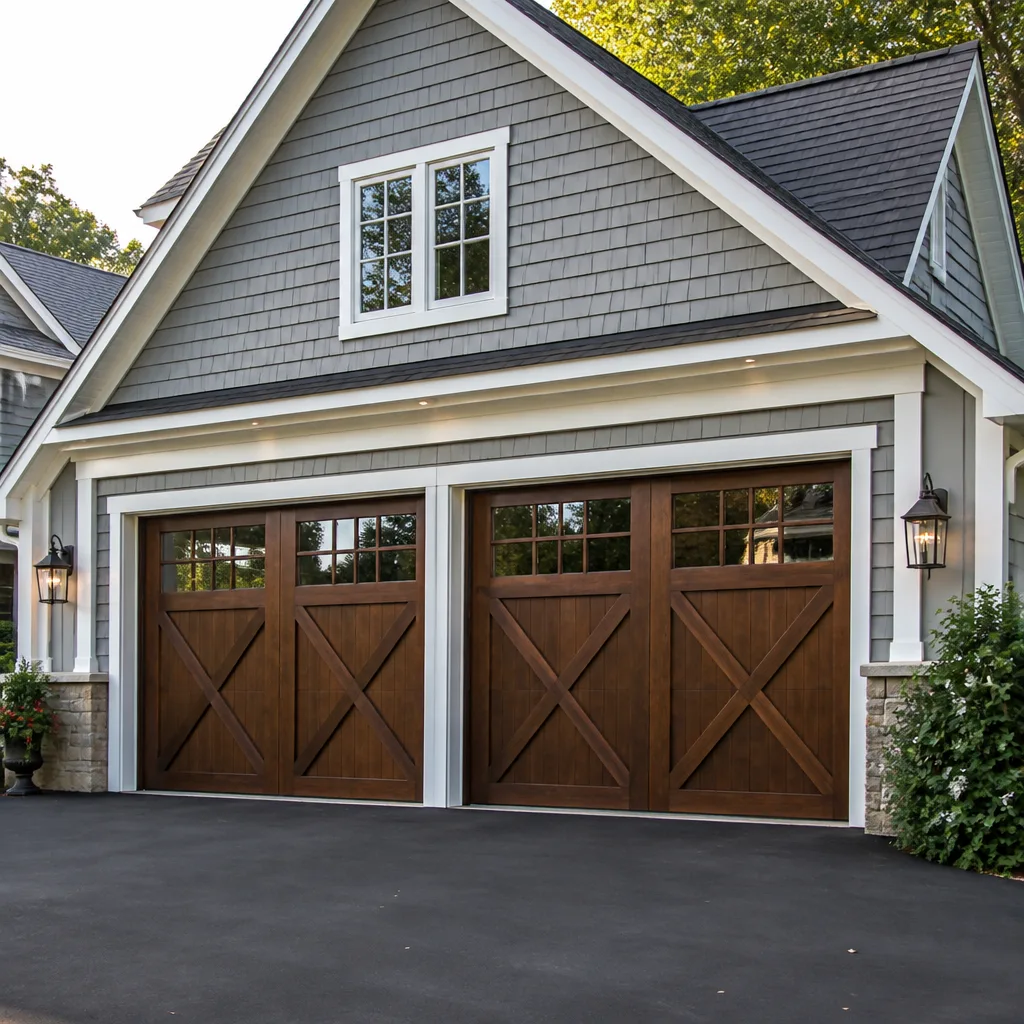 Carriage house
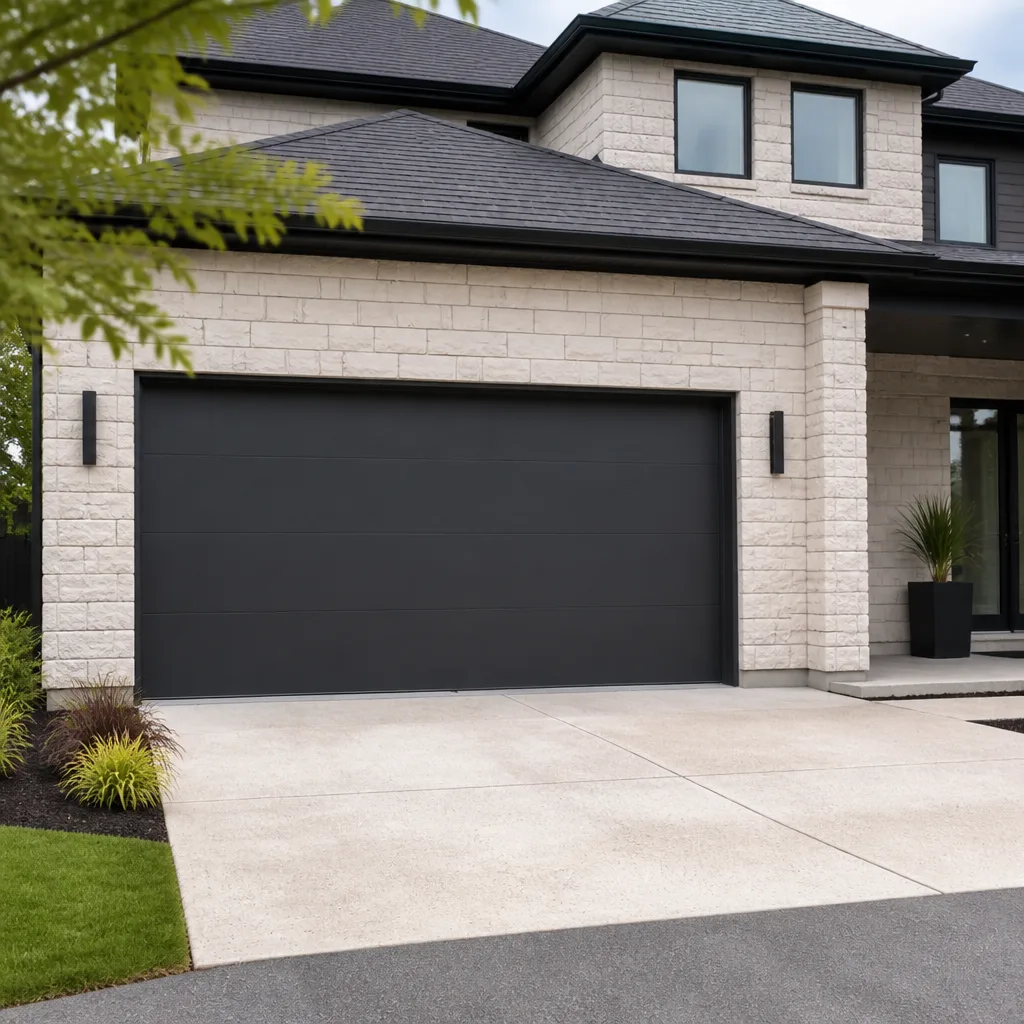 Modern flush
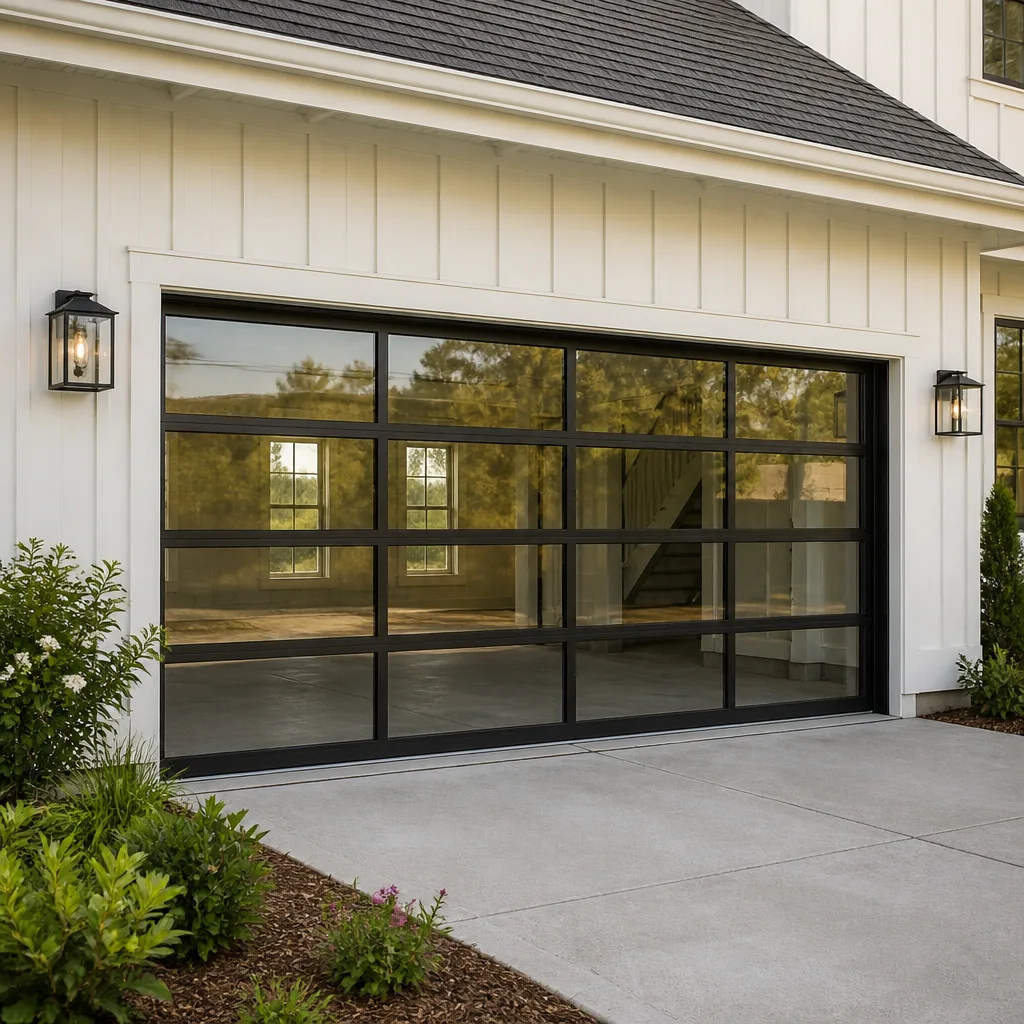 Full-view glass
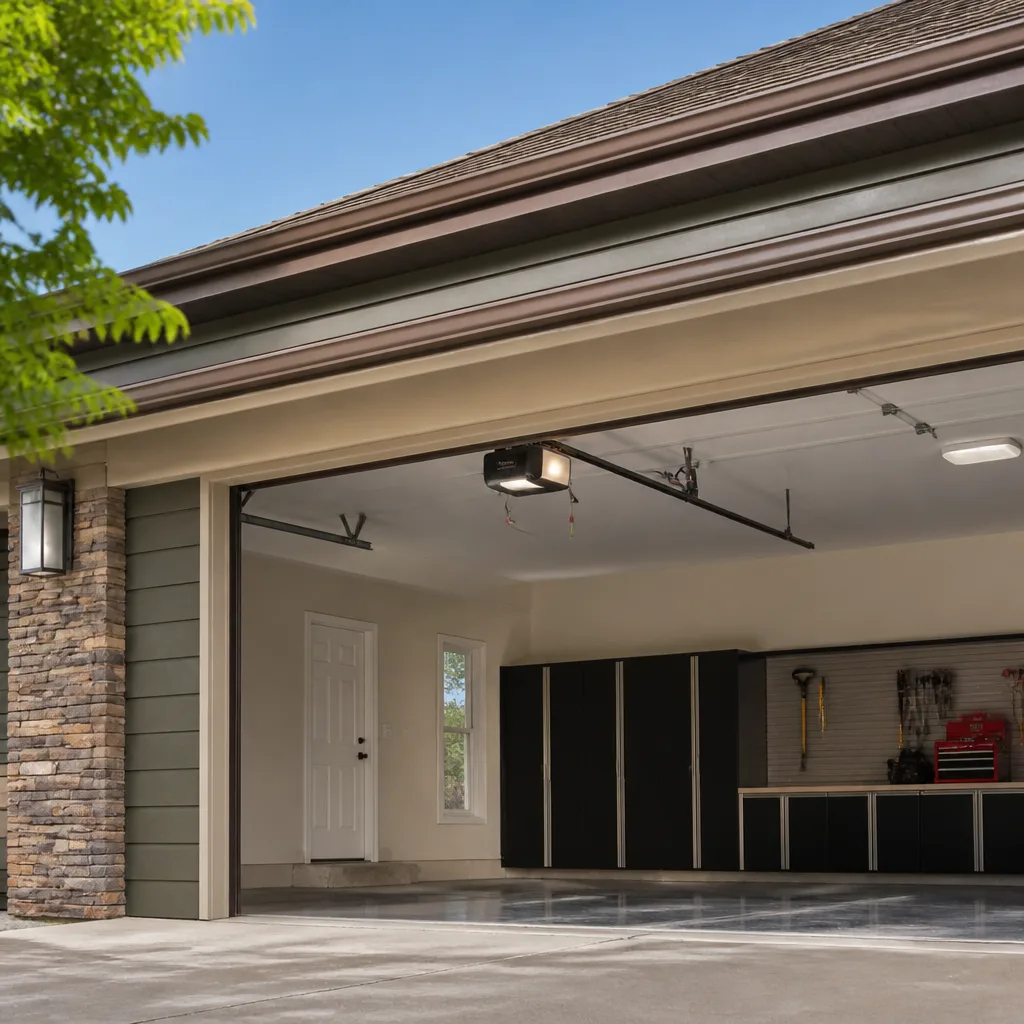 LiftMaster openers
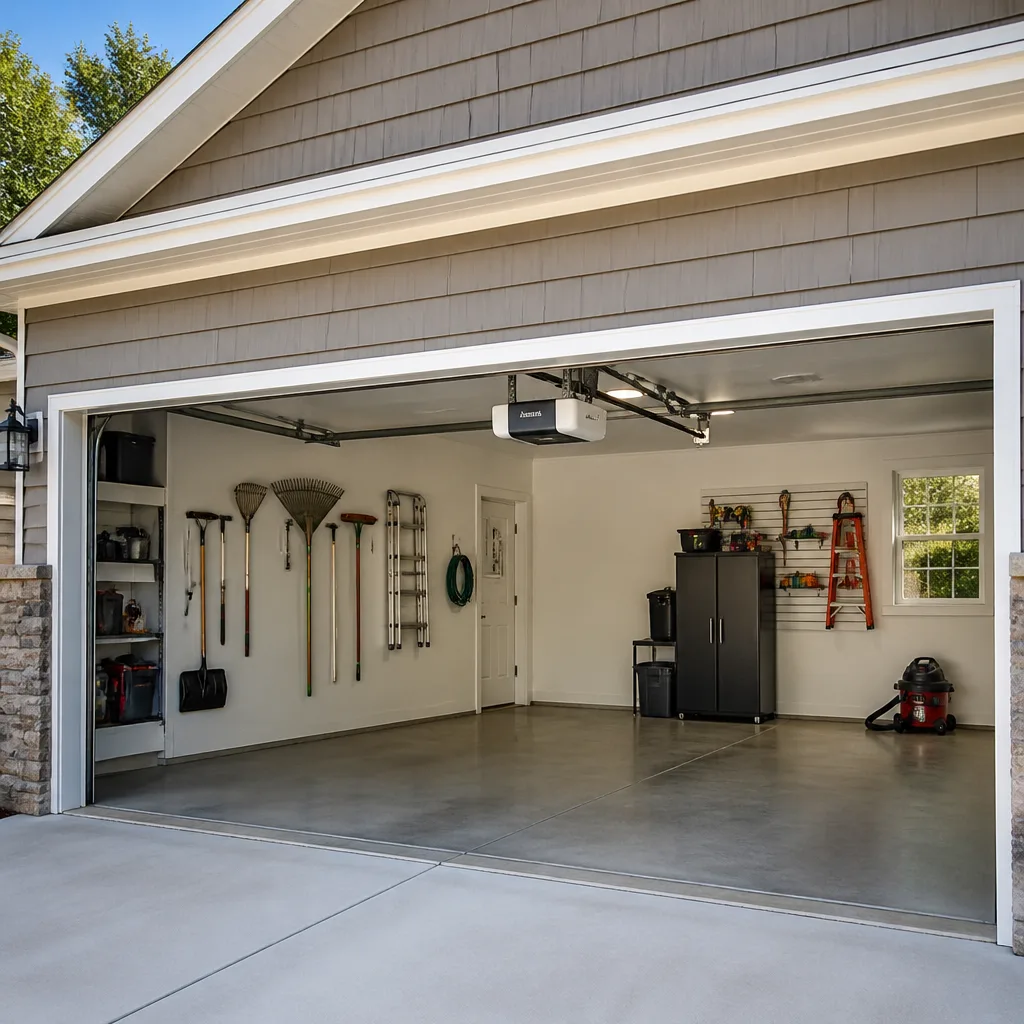 Chamberlain openers
Full 25-point door and opener safety check with every visit - springs, cables, rollers, tracks, and your LiftMaster or Chamberlain opener included
You get a price before we start. It does not change when the pro arrives.
Get your free estimateChoosing the Right Garage Door Brand: A Buyer’s Guide for Leesburg
Most homeowners in Leesburg start brand shopping in the wrong place. They compare panel styles online, read a manufacturer’s glossy brochure, and pick whichever name sounds most familiar. Then the door fails on a Tuesday morning with two cars trapped inside, and they discover the brand on the panel means nothing if nobody nearby carries the right torsion spring or opener logic board. The brand matters, but not for the reason you think. What matters is whether that brand’s parts, warranty terms, and authorized service network actually line up with life in Loudoun County. This guide explains how to make that match, from steel gauge to smart-home compatibility to the warranty language nobody reads until it’s too late.
Quick Answer
The best garage door brand in Leesburg is the one whose residential line has a certified service technician nearby, a parts supply chain reachable within Loudoun County, and a warranty that names both the manufacturer and the installer. Clopay, Amarr, and Wayne Dalton all have workable distribution in Northern Virginia, and LiftMaster and Chamberlain lead on opener integration. Prestige is the wrong filter. Serviceability is the right one.
Styles & brands we work with
- Raised-panel steel
- Carriage house
- Modern flush
- Full-view glass
- LiftMaster openers
- Chamberlain openers
Table of Contents
- The Brand on the Panel vs. the Support Behind It
- Manufacturer Warranty vs. Installer Warranty: You Need Both in Writing
- Parts Availability: A Loudoun County Reality Check
- Matching Steel Gauge to Northern Virginia Weather
- Smart-Home Integration: Which Openers Work Natively
- Residential vs. Commercial Lines: Why the Same Brand Isn’t the Same Door
- High-Cycle Households: When Hardware Specs Actually Matter
- A Step-by-Step Way to Choose Your Brand
The Brand on the Panel vs. the Support Behind It
A nationally advertised garage door brand can be a poor choice in Leesburg if its dealer and service network is thin here. We’ve watched this happen: a homeowner buys a well-known name, the door needs a manufacturer-specific part, and the wait stretches into weeks because the nearest authorized source is far outside Loudoun County. That’s not a quality problem. It’s a logistics problem, and it’s the one buyers overlook most often.
What “support” actually means, in practical terms:
- A certified technician who knows the model. Every brand routes adjustments, spring replacements, and opener repairs differently. A technician fluent in the door you own doesn’t spend the first hour of a service call reverse-engineering it.
- Local parts distribution. Standard parts like torsion springs, cables, rollers, and hinges are widely available. Proprietary opener components and certain panel profiles are not.
- An authorized service relationship. Some warranty claims require service by a technician recognized by the manufacturer. If no such technician is reachable, the warranty can be harder to enforce than you expected.
In our experience, the most reliable approach is to confirm support before you confirm style. A door company that can service LiftMaster, Chamberlain, Genie, Clopay, Amarr, Wayne Dalton, Craftsman, and Raynor can walk you through which of those brands actually fits your home and your repair outlook. When something does go wrong, you want the person arriving to be fluent in your door, not learning it on your driveway. That fluency is the whole point of Leesburg Garage Door Repair being able to handle any brand rather than a narrow list.
Manufacturer Warranty vs. Installer Warranty: You Need Both in Writing
This is the single most common gap in a new garage door purchase, and it’s entirely avoidable. A manufacturer’s warranty covers the product itself: panels, hardware, the finish, the opener motor. An installer warranty covers the work: the labor, the adjustment, the sealing, and how the door actually performs once it’s hung. Leesburg homeowners need both spelled out on paper before money changes hands, because each one covers a different kind of failure.
Here’s how the two warranties typically divide responsibility:
- Manufacturer warranty, product only. Covers defects in the panel, the steel, the finish, and the opener. Usually excludes labor, and often excludes failures caused by improper installation.
- Installer warranty, labor and workmanship. Covers the installation itself: track alignment, spring tensioning, panel balance, and weather sealing. This is the warranty that protects you when the door was installed slightly wrong.
- Overlap and gaps. Ask specifically who covers a failure that’s part product and part install. If the answer is fuzzy, get it in writing.
- Transferability. If you plan to sell the home, ask whether either warranty transfers to the next owner. Some do, some don’t.
- Claim process. Know who you call first when something fails, and whether a manufacturer claim requires an authorized technician to inspect it.
A written estimate should show the door model, the warranty documents for the product, and a separate statement of the installer’s labor warranty. If a seller can’t produce the second one, that tells you something. Same applies to repair: when we quote a garage door repair, the written estimate sets the final price and the scope of work before anything gets touched. Apply the same standard to a full purchase.
Parts Availability: A Loudoun County Reality Check
Not every major brand has the same local distribution footprint in Northern Virginia. Clopay, Amarr, and Wayne Dalton are generally well represented across the region’s dealer network, which shortens repair turnaround when a proprietary part is needed. That’s a practical advantage, not a knock on the brands with thinner local coverage.
What to check, in order:
- Standard vs. proprietary parts. Springs, cables, rollers, and hinges are broadly interchangeable. Opener logic boards, wall consoles, safety sensors, and certain panel profiles are brand- and model-specific.
- Panel availability. If a single panel is damaged and needs replacing, the brand and model number determine whether a matching panel exists. Discontinued lines can leave you replacing more than one panel.
- Opener parts. A smart opener’s control board or Wi-Fi module is the part most likely to be back-ordered. This is where local distribution matters most.
- Technician familiarity. A technician who services your brand routinely will diagnose faster than one meeting the model for the first time. Familiarity is a real cost saver on labor.
For Leesburg homeowners, the practical test is simple: ask the company you’re buying from whether they can get a replacement panel or opener component for your chosen model without a long wait. If the answer is evasive, weigh that against a slightly less famous brand with better local support. When a component does fail, quality garage door opener repair depends entirely on whether the part can be sourced.
Matching Steel Gauge to Northern Virginia Weather
Steel gauge in a garage door measures thickness, and the numbering runs opposite to intuition: a lower number means thicker steel. 24-gauge is heavier than 25-gauge, which is heavier than 26-gauge. Northern Virginia’s storm seasons bring wind and occasional impact from falling limbs and debris, and Loudoun County sits in a region where summer thunderstorms are routine and winter brings freeze-thaw cycles that stress seals and hardware. The gauge you choose should reflect that, not just the showroom price.
A practical way to think about it:
- 26-gauge: Lighter steel, lower cost, best suited to a lightly used door in a sheltered position. More prone to dents and flexing in strong wind.
- 25-gauge: The common middle ground for residential doors. A reasonable balance of weight, cost, and durability for most Leesburg homes.
- 24-gauge: Heavier steel with more resistance to denting and impact. Worth considering on a door that faces the prevailing weather or sees heavy daily use.
Gauge isn’t the only factor. Insulation, reinforcement struts, and hinge quality all affect how a door holds up. A 25-gauge door with proper reinforcement can outperform a lighter door with none. The point is to match the door to how it will actually live: which direction it faces, how much wind and debris it sees, and how hard your household uses it. Hail isn’t a major concern in this part of Virginia, so storm damage here usually means wind, impact, and the wear that comes from temperature swings rather than hail strikes. If you’re unsure which gauge fits, an on-site measure and a written recommendation beat guessing from a spec sheet.
Smart-Home Integration: Which Openers Work Natively
Leesburg has a lot of tech-forward households, and garage door openers are now part of the smart home conversation. Not every opener brand integrates the same way, and the difference between native support and a bridge device is worth understanding before you buy.
How the major opener brands break down on integration:
- LiftMaster and Chamberlain: These two lead on native smart-home integration, including app control and broad compatibility with common smart-home platforms. If app control and voice control matter to you, they’re the natural starting point.
- Genie: Solid app and smart-home support on current models, with a somewhat different compatibility profile than the LiftMaster/Chamberlain family. Worth checking against your specific hub.
- Older or legacy openers: Many require a bridge device or a third-party module to join a smart home. Sometimes the smarter move is an opener upgrade rather than fighting the old unit.
The compatibility question is genuinely model-specific, not just brand-specific. Two openers from the same brand can have very different smart-home capabilities depending on generation. Before buying, confirm which app the opener uses, which platforms it supports natively, and whether any extra hardware is required. If you already own a smart opener and it’s not behaving, that’s a repair question, not a replacement one; a technician who works on modern Wi-Fi and app-connected systems can usually sort out connectivity issues that a generalist handyman can’t diagnose.
Residential vs. Commercial Lines: Why the Same Brand Isn’t the Same Door
Here’s something most buyers never hear: the residential and commercial lines from the same manufacturer often use different hardware specs entirely. A brand name on a commercial door doesn’t guarantee the residential version shares its guts, and vice versa. Springs, hinges, rollers, and track are frequently built to different duty ratings between the two product families.
Why it matters in a Leesburg home:
- Duty rating follows cycle count. Commercial hardware is built for far more open-and-close cycles than standard residential hardware. A busy household can push a residential door into commercial territory without realizing it.
- Spring life. Residential torsion springs are rated for a set number of cycles, and a household that runs the door many times a day will burn through them faster. Higher-cycle springs exist, and choosing them at install can postpone replacement.
- Opener duty cycle. Standard residential openers are rated for typical household use. Heavy daily use can shorten motor life unless the opener is matched to the demand.
- Hardware mismatch risk. Mixing commercial-grade parts into a residential door, or the reverse, can shorten component life and complicate warranty coverage. Match the hardware family to the door.
If your household runs the door more than the typical rate, say so up front. A company that installs and services both families can point you toward the right duty rating and the right spring specification. That’s the kind of detail that separates a door that lasts from one that needs service sooner than you’d like. For the mechanically demanding jobs, like torsion spring work, that expertise matters even more; garage door spring repair is a job for a trained technician, never a DIY project.
High-Cycle Households: When Hardware Specs Actually Matter
A household that opens and closes the garage door more than ten times a day is a high-cycle household, and hardware specs start to matter far more than they do for a typical home. Families with multiple drivers, home-based businesses, and households that use the garage as a main entry all fit this pattern.
Here’s what to weigh:
- Spring cycle rating. Standard residential springs are rated to a set number of cycles. High-cycle springs carry a higher rating and last longer under heavy use. Ask what rating the springs carry before installation.
- Opener duty cycle. Match the opener’s rated duty to your actual usage. A standard opener pushed well beyond its rating will wear out faster.
- Roller and hinge quality. These wear parts take the most punishment in a busy household. Better-grade rollers and hinges reduce noise and extend service intervals.
- Door weight and balance. A heavier, better-insulated door needs proper springing to stay balanced. An unbalanced door strains the opener and the springs.
Getting this right at the purchase stage costs less than fixing it later. If you already have a high-cycle door that’s failing early, the fix is often a spring or opener upgrade rather than a full replacement. Either way, ask the question directly: how many cycles per day will this door realistically run, and is the hardware rated for it? The right answer protects your investment. A written estimate will spell out the spring rating and opener duty before work begins.
A Step-by-Step Way to Choose Your Brand
Here’s a sequence that works for most Leesburg homeowners. It puts serviceability first, style second, which is the right order for a door you’ll live with for years.
- List your non-negotiables. Style, insulation, color, and smart-home control. Write them down so you don’t get talked into features you don’t need.
- Confirm local service support. Ask which brands the company can service with certified technicians and local parts access. Verify that the specific model number you’re considering is covered.
- Get both warranties in writing. Manufacturer product warranty plus installer labor warranty, with the claim process explained.
- Match steel gauge to exposure. Heavier gauge if the door faces weather or sees heavy use; lighter gauge is fine for a sheltered, lightly used door.
- Check smart-home compatibility. Confirm native app and platform support for the exact model, plus any bridge hardware required.
- Ask about duty rating. If your household runs the door heavily, request high-cycle springs and an opener rated for the load.
- Compare written estimates line by line. The final price is the written estimate, so make sure the estimate lists the model, gauge, spring rating, opener, and warranty.
Run this sequence and the brand choice mostly makes itself. The remaining decisions are minor. If you’d rather work through it with someone who services all the major brands, our team can help you compare in a single conversation. Our technicians have up to 8 years of experience and can walk through what each brand actually means for your home.
Common Mistakes to Avoid
- Buying on brand fame alone. A national name with thin local service coverage can mean longer waits and harder repairs. Confirm support in Loudoun County before you commit.
- Skipping the installer warranty. The manufacturer covers the product; the installer covers the work. Get both in writing before purchase, or you’re exposed when installation goes wrong.
- Picking the lightest gauge to save money. A 26-gauge door facing the weather is more prone to denting and flexing. Match the gauge to exposure and use, not just the showroom price.
- Assuming every smart opener works with every hub. Compatibility is model-specific, not just brand-specific. Confirm native support and any bridge hardware before buying.
- Ignoring duty rating in a busy household. A high-cycle home that installs standard residential hardware will replace it sooner. Say so up front.
- Buying a discontinued model. If the panel line is being retired, replacement panels may not exist. Ask about the line’s outlook before ordering.
- Skipping the measure. A door bought without an on-site measure risks fit issues. Get a written measurement and recommendation before ordering.
See the difference
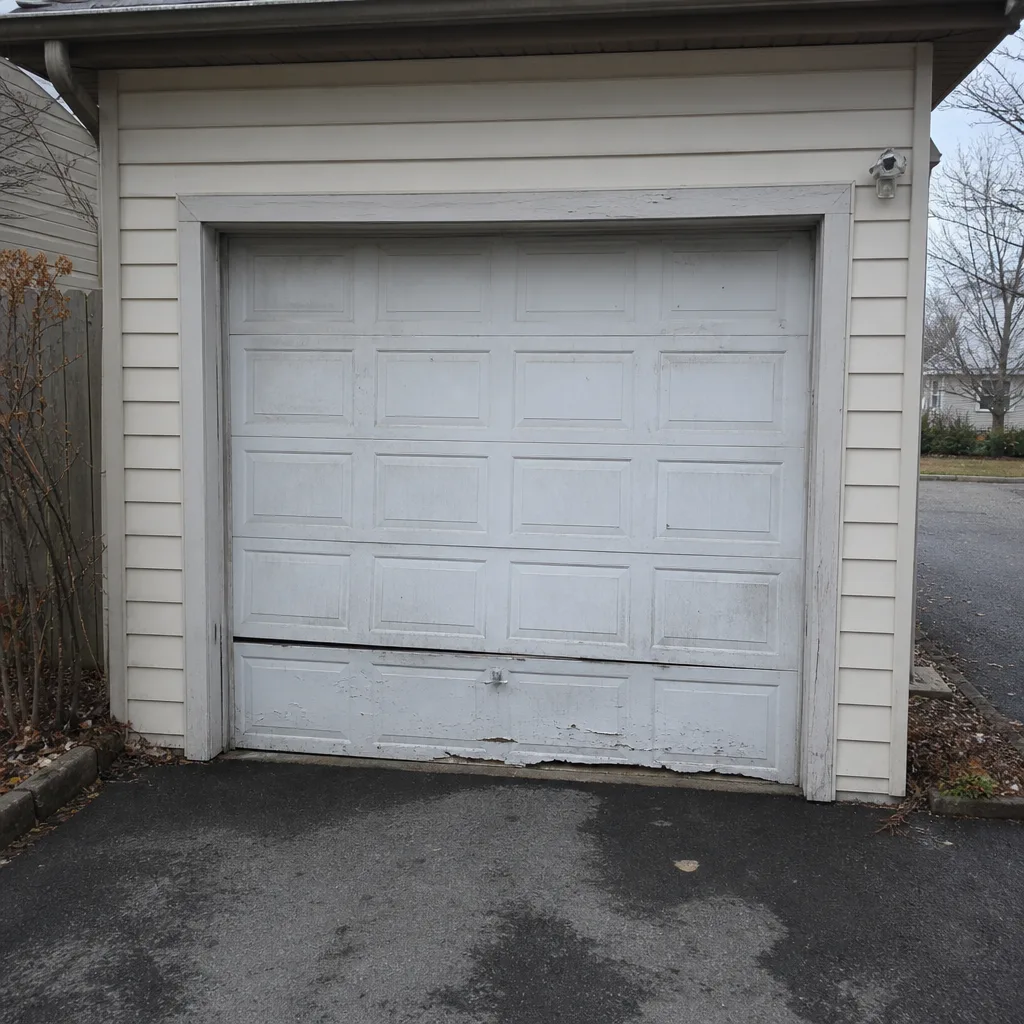 Before
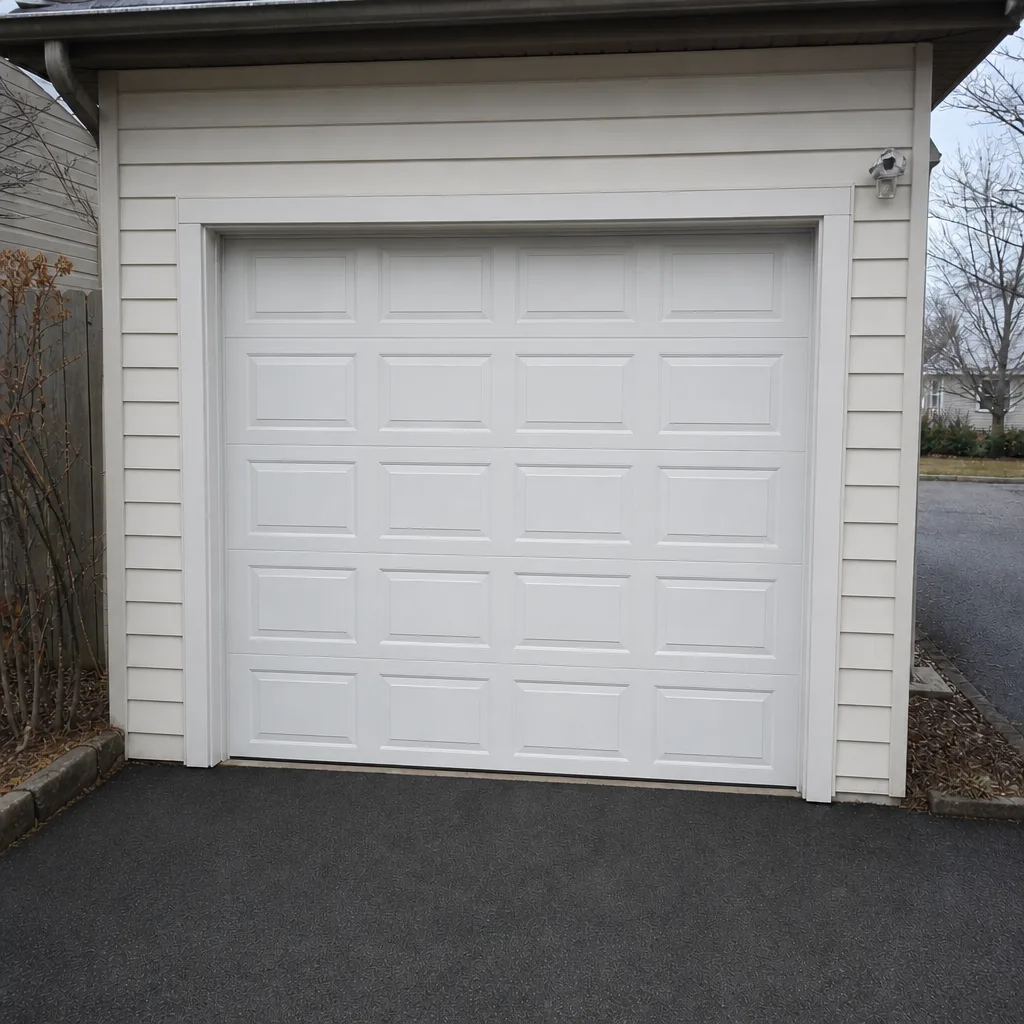 After
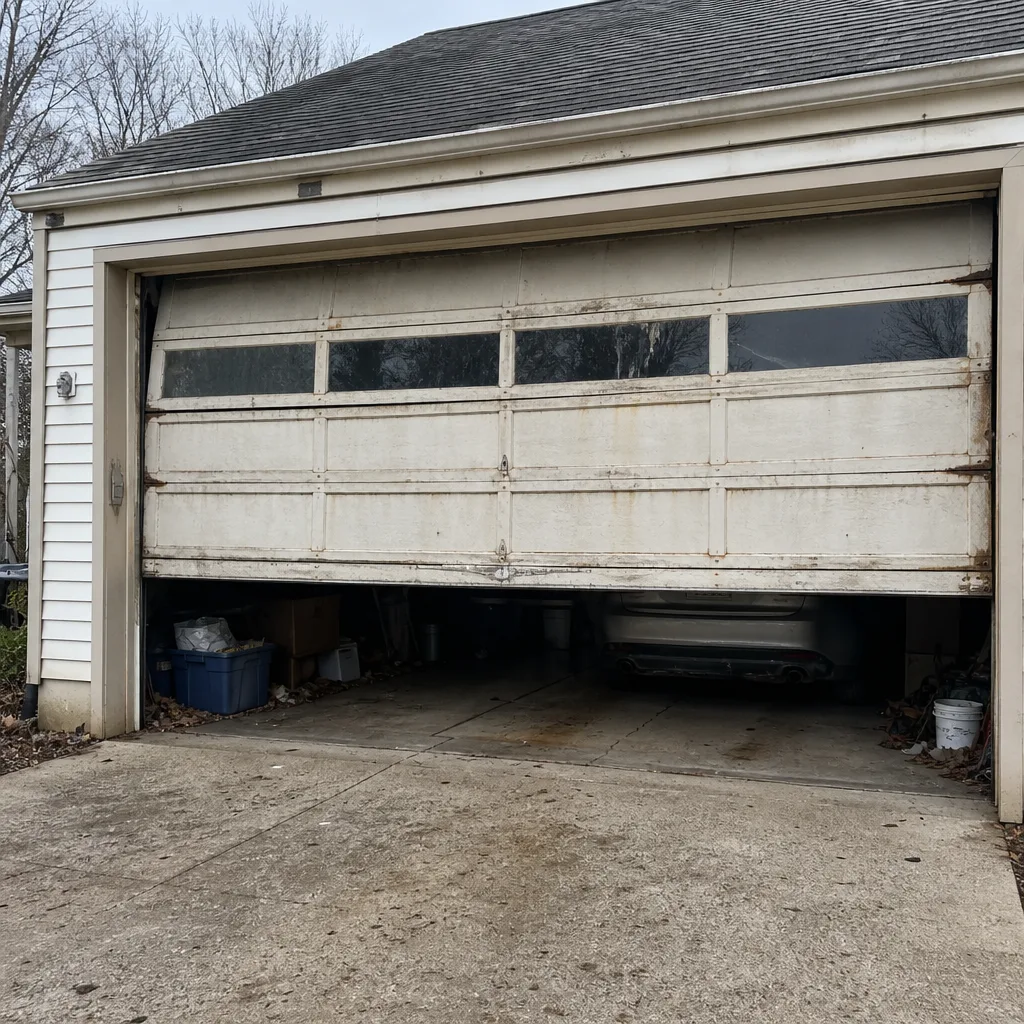 Before
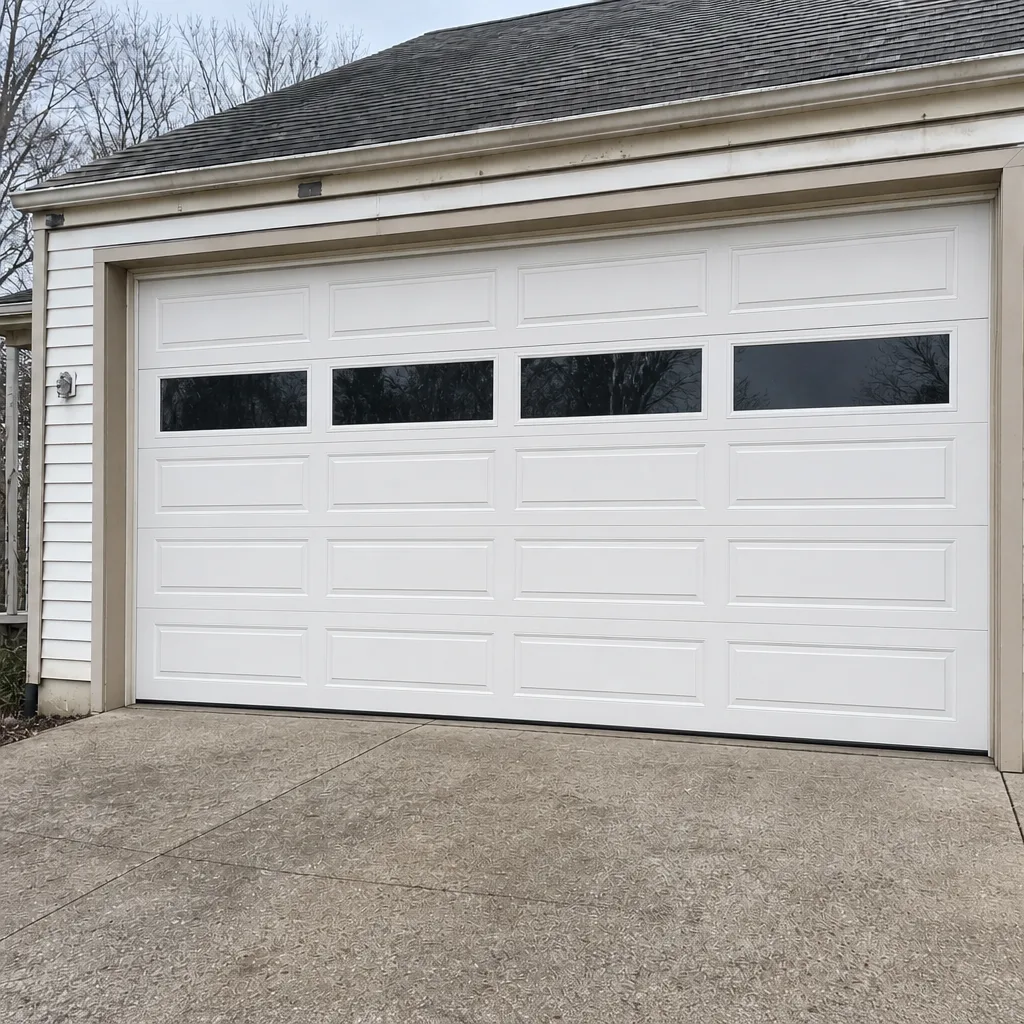 After
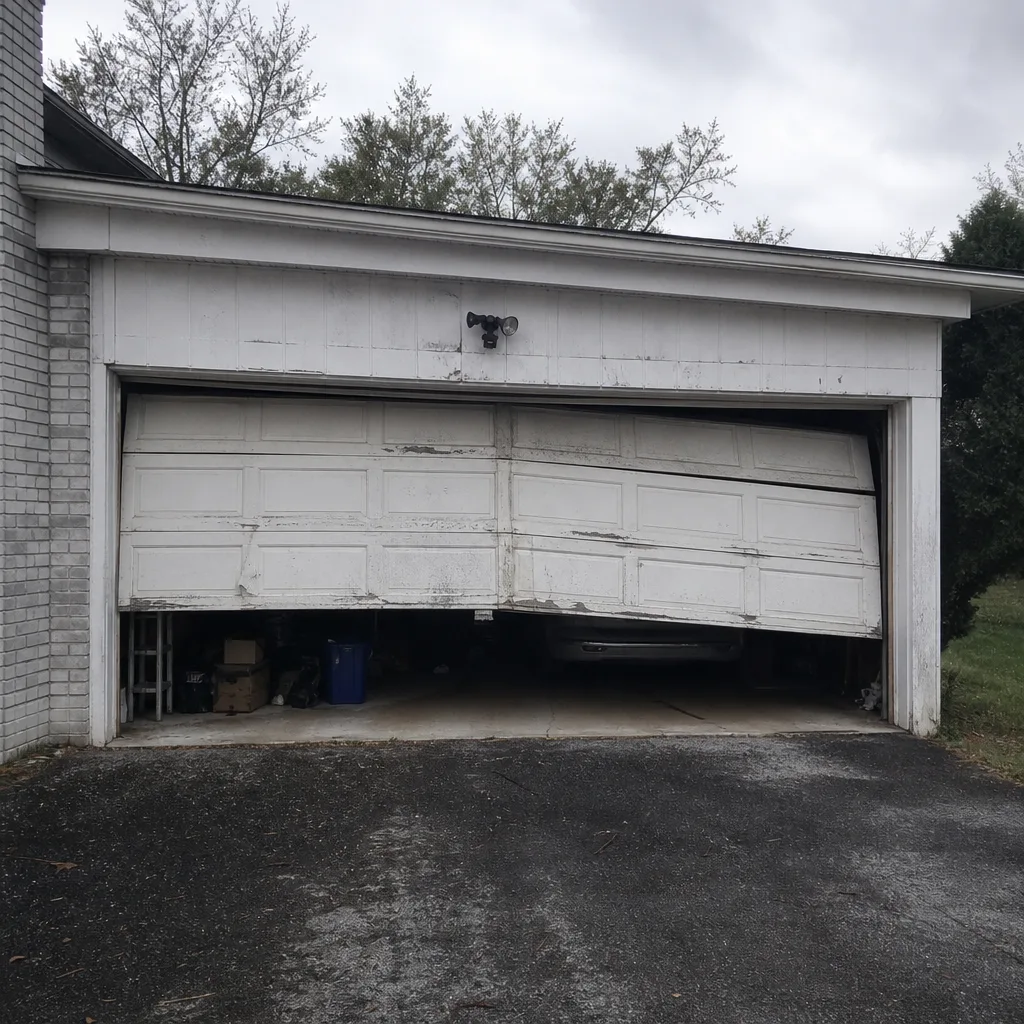 Before
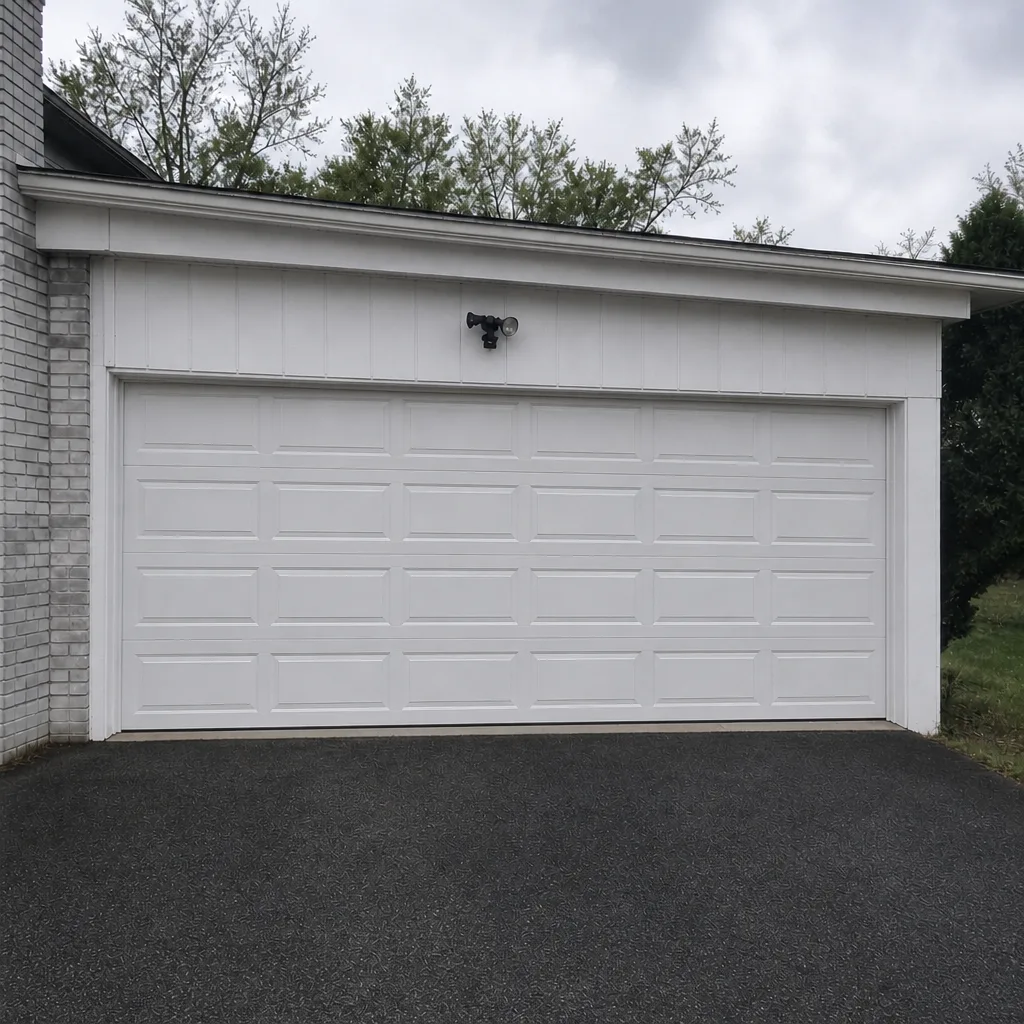 After
When to Call a Professional
Call a professional when a torsion spring snaps, a cable frays or breaks, a door comes off its track, the opener won’t run or keeps reversing, or a panel is cracked and the door no longer seals. These are all jobs where a trained technician with brand-specific parts and experience pays for themselves in the first visit. Spring and cable work is genuinely dangerous and belongs in a trained technician’s hands, not yours. If the door won’t move and security or access is at stake, emergency response matters. Leesburg Garage Door Repair offers free estimates in Leesburg. Call (844) 427-1950. We answer 24/7. Fast dispatch from 7am to 7pm, Sunday through Friday.
Frequently Asked Questions
There’s no single best brand in Leesburg. The right choice is the brand whose local service support, parts availability, and warranty terms fit your home and your household’s use. Clopay, Amarr, and Wayne Dalton have workable Northern Virginia distribution, while LiftMaster and Chamberlain lead on smart-home opener integration. Call (844) 427-1950 for a free estimate and a brand comparison.
Yes, you need both in writing. The manufacturer covers the product, and the installer covers the labor and workmanship. Without the second one, installation problems can fall through the cracks. Ask for both documents before purchase and confirm who covers a mixed product-and-install failure. Call (844) 427-1950 for a free estimate that spells out both.
25-gauge is a reasonable middle ground for most residential doors in Northern Virginia, with 24-gauge preferred on doors that face weather or see heavy use. 26-gauge is lighter and best suited to sheltered, lightly used doors. Gauge isn’t the only factor; insulation and reinforcement matter too. Call (844) 427-1950 for a free measure and gauge recommendation.
It depends on the brand and model, not just the brand. LiftMaster and Chamberlain lead on native integration, and Genie supports many platforms with a somewhat different profile. Older openers may need a bridge device. Confirm native app and platform support for the exact model before buying. Call (844) 427-1950 for a free estimate.
We service all the major residential brands, including LiftMaster, Chamberlain, Genie, Clopay, Amarr, Wayne Dalton, Craftsman, and Raynor. That means the technician arrives familiar with the brand and parts rather than learning your door on arrival. If you’re not sure what’s installed, we can identify it during a free estimate. Call (844) 427-1950.
The residential and commercial lines often use different hardware specs, including duty ratings, springs, and hinges. A brand name on a commercial door doesn’t mean the residential version shares its internals. High-cycle households should confirm the spring and opener duty ratings before purchase. Call (844) 427-1950 for a free estimate and duty-rating advice.
The Bottom Line
The right garage door brand in Leesburg isn’t the one with the most advertising. It’s the one whose residential line has certified local service support, accessible parts, and a clear two-part warranty. Match steel gauge to Northern Virginia’s wind and storm exposure, confirm smart-home compatibility model-by-model, and ask about duty rating if your household runs the door heavily. Get both warranties in writing before purchase, and let the written estimate set the price. For a free estimate and a brand comparison backed by technicians with up to 8 years of experience, call Leesburg Garage Door Repair at (844) 427-1950. We answer 24/7. Fast dispatch from 7am to 7pm, Sunday through Friday. Our garage door repair team handles any brand, and the garage door opener repair specialists cover both legacy motors and modern smart systems.
Written by the team at Leesburg Garage Door Repair.