
Last updated November 23, 2026
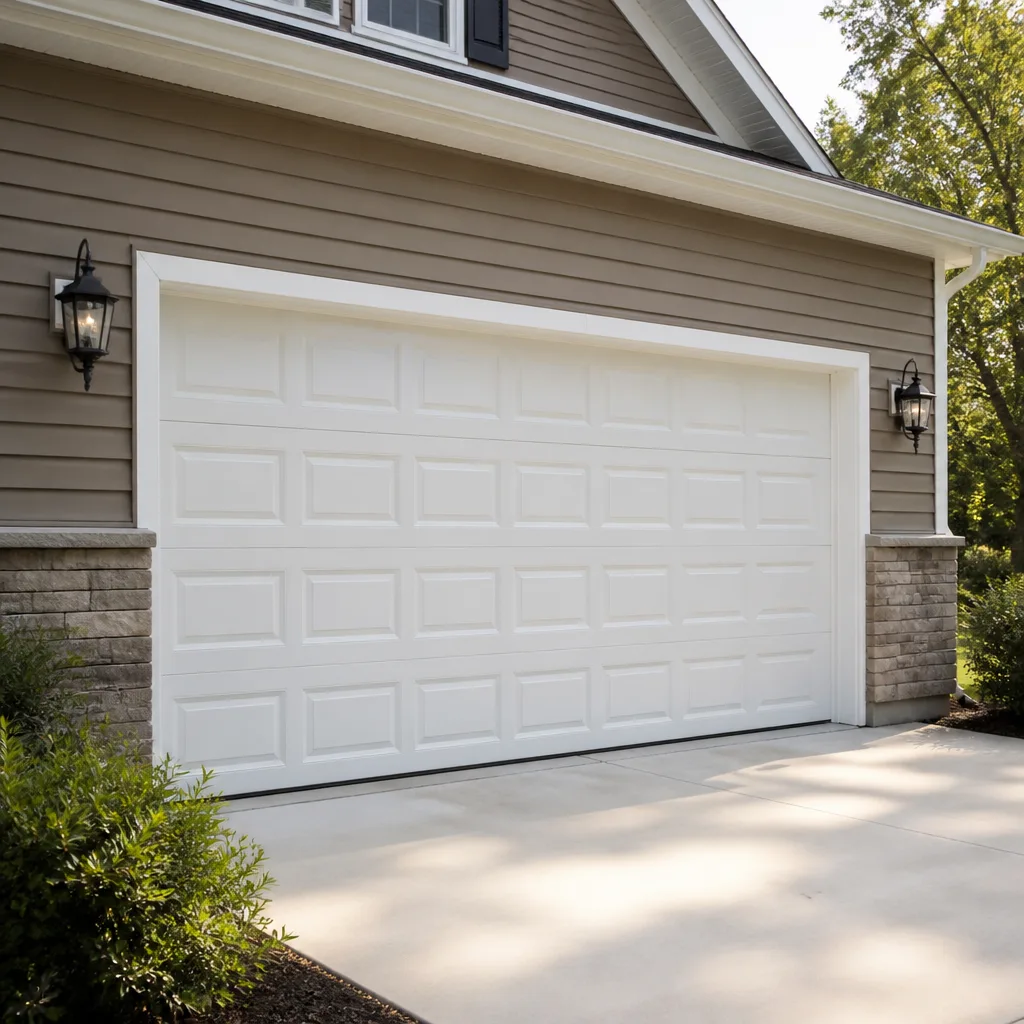 Raised-panel steel
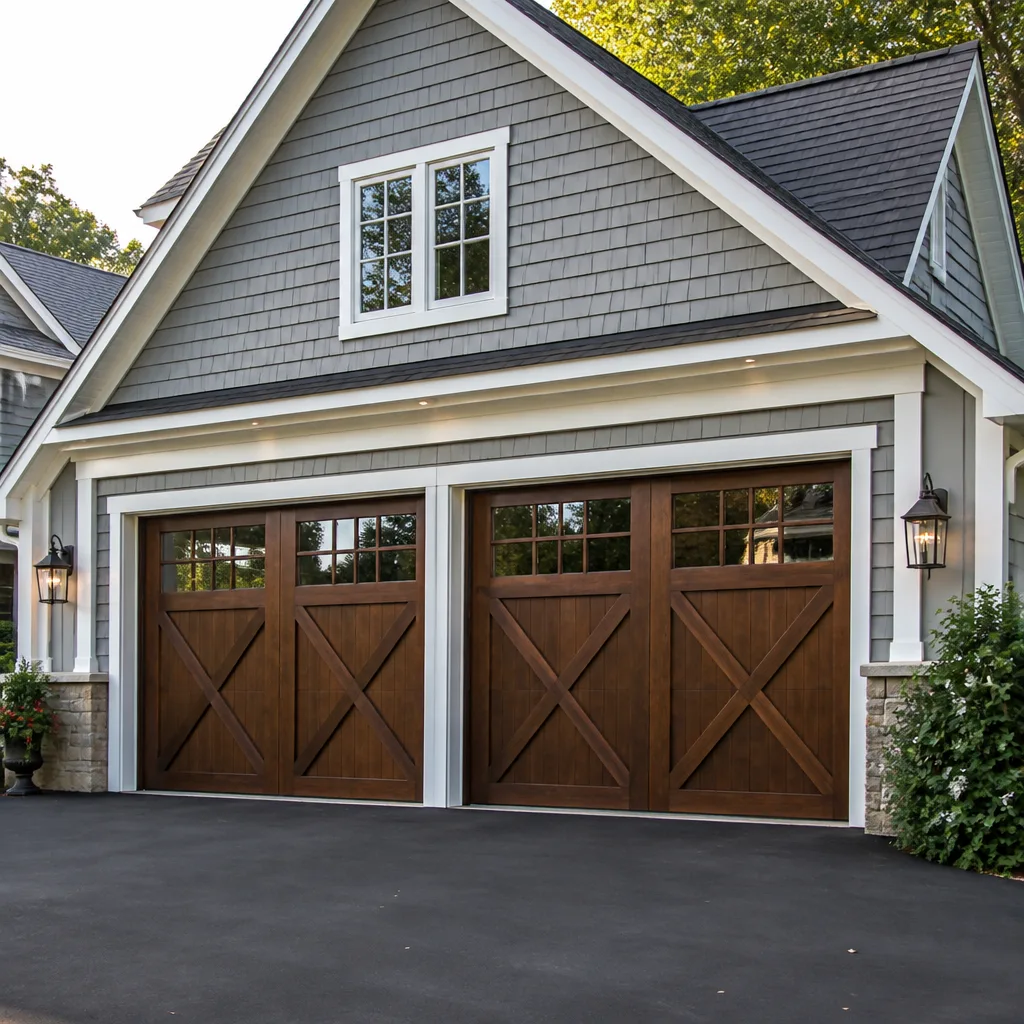 Carriage house
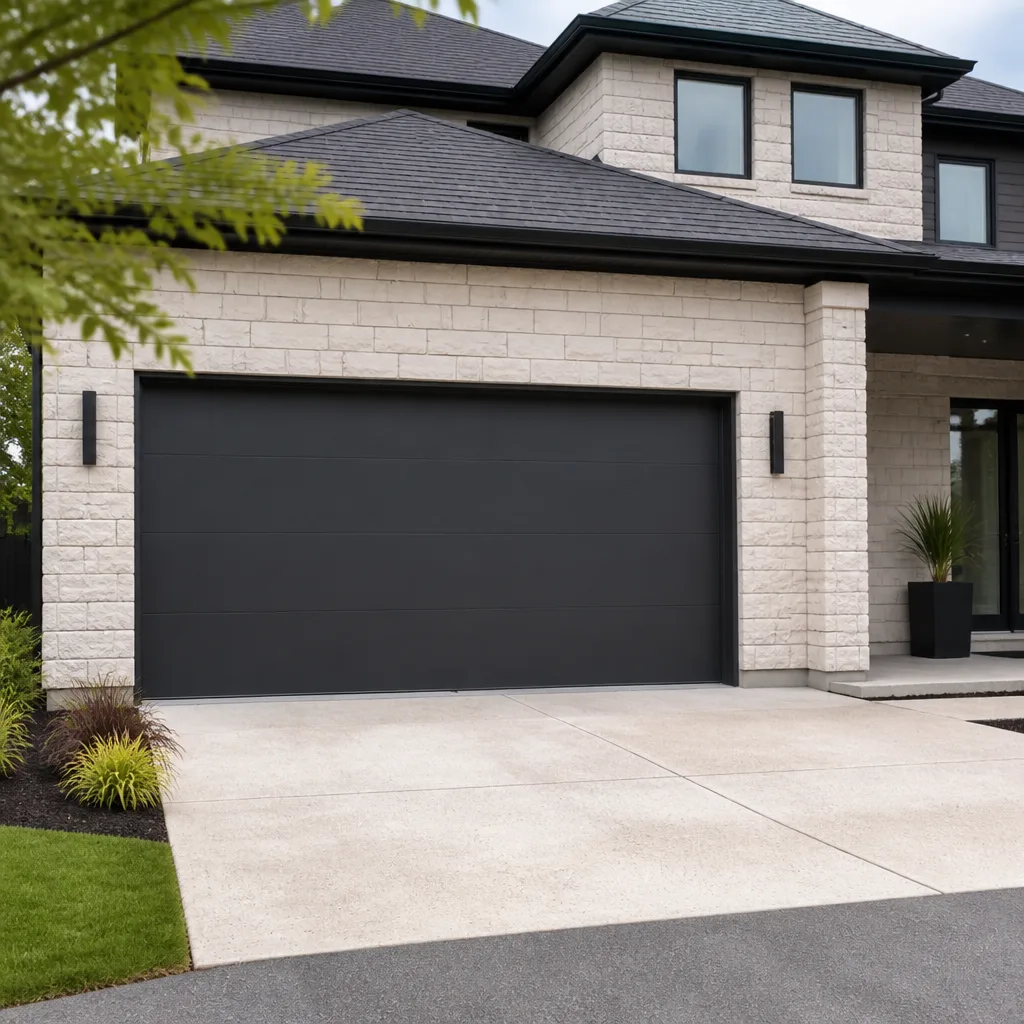 Modern flush
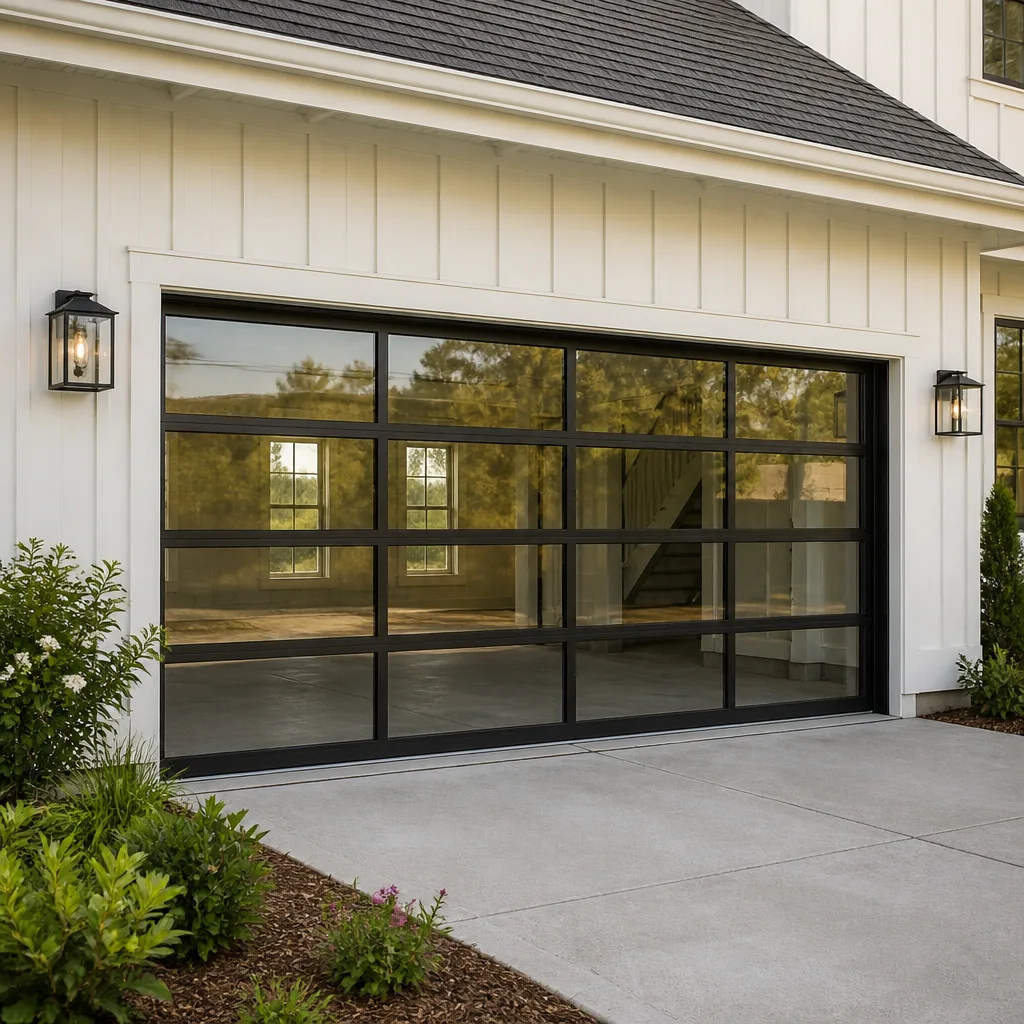 Full-view glass
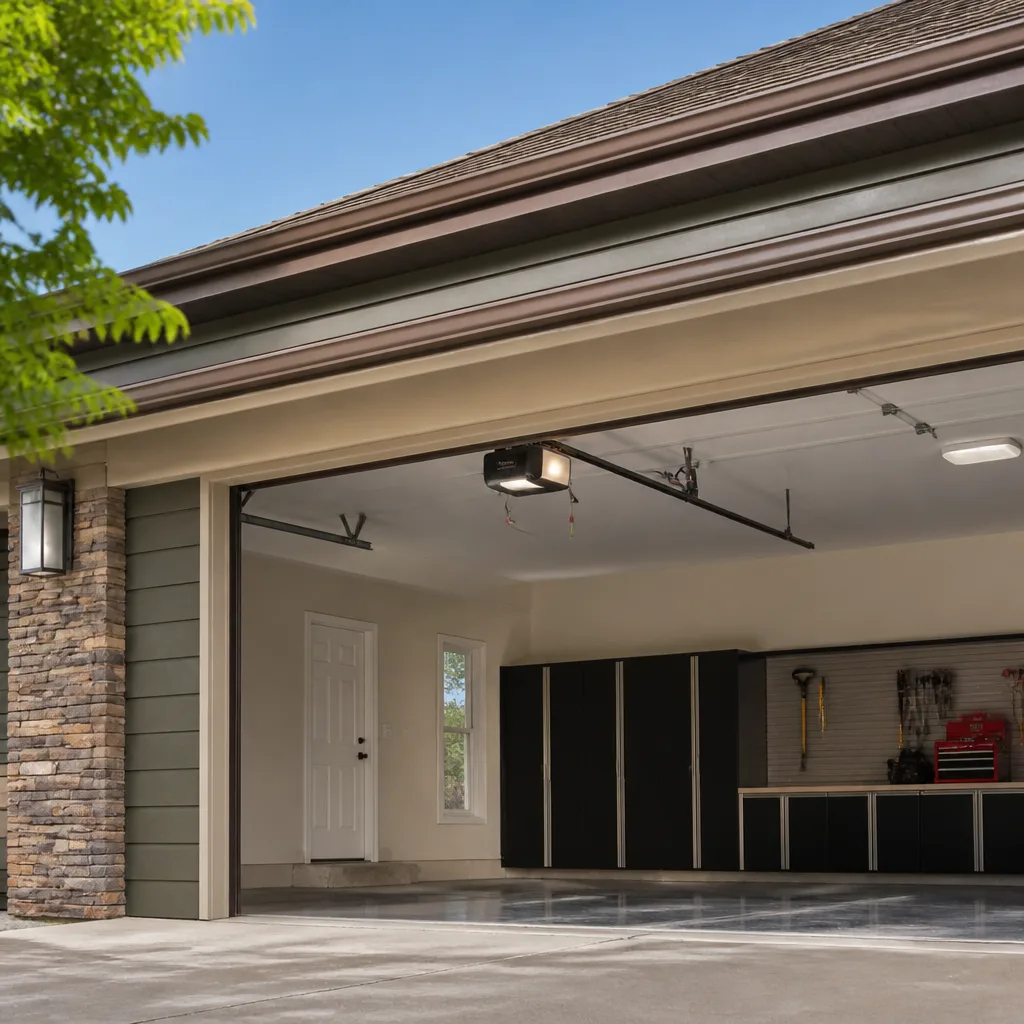 LiftMaster openers
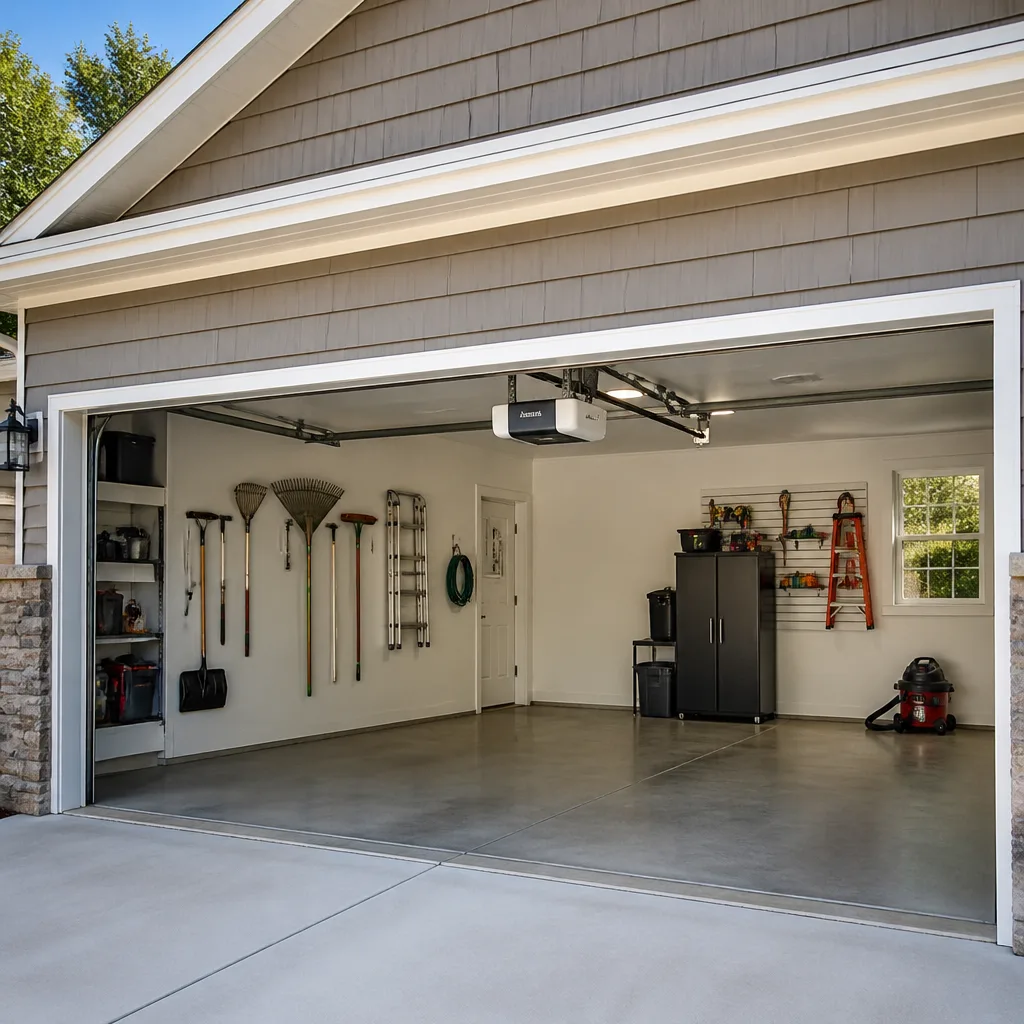 Chamberlain openers
Full 25-point door and opener safety check with every visit - springs, cables, rollers, tracks, and your LiftMaster or Chamberlain opener included
You get a price before we start. It does not change when the pro arrives.
Get your free estimateGarage Door Permits, Codes & Inspections in Leesburg, VA: What You Need to Know
Most homeowners in Leesburg assume a garage door replacement is a simple swap that skips the permit desk entirely. That’s the misconception worth correcting first: a new door installation, a structural header change, or smart-system wiring in the garage can all cross into Loudoun County permit territory, and unpermitted work can create title and insurance complications years later when you least expect them. This guide walks through exactly when Loudoun County Building and Development requires a permit, how the Virginia Uniform Statewide Building Code treats attached garages, how HOA approval and the county permit interact, and what a failed inspection actually involves in Leesburg.
Quick Answer
A like-for-like garage door replacement in Leesburg usually does not require a building permit, but a new opening, a structural header modification, or electrical work tied to a new opener or smart system typically does. Loudoun County Building and Development reviews those structural and electrical scopes, and attached garages must meet Virginia Uniform Statewide Building Code Section R309 fire-separation requirements. When in doubt, ask the county’s building department before work begins.
Styles & brands we work with
- Raised-panel steel
- Carriage house
- Modern flush
- Full-view glass
- LiftMaster openers
- Chamberlain openers
Table of Contents
- When Does Loudoun County Require a Permit for Garage Door Work?
- How USBC Section R309 Affects Attached Garages in Leesburg
- HOA Architectural Approval vs. County Permit: Which Comes First?
- What the Inspection Process Looks Like
- What a Failed Inspection Looks Like in Practice
- How Unpermitted Work Affects Homeowner’s Insurance
- Permits and Inspections for Smart Openers and Wiring
- Common Mistakes to Avoid
When Does Loudoun County Require a Permit for Garage Door Work?
Loudoun County Building and Development requires a building permit when garage door work changes the structure of the opening or adds new electrical circuits, but not for a straightforward replacement of an existing door in the same opening. The three scenarios that matter most in Leesburg are replacement, new opening, and structural header change.
Straight replacement (usually no permit). Swapping a door and its track in an existing, correctly sized opening is generally considered maintenance. A new door from Clopay, Amarr, or Wayne Dalton that fits the current opening without altering the framing typically doesn’t need a building permit, though your HOA may still want approval of the door style.
New opening (permit required). Cutting a new opening into a garage wall, or enlarging an existing opening, is structural work. It requires a building permit from Loudoun County and usually structural engineering review of the header sizing.
Structural header change (permit required). Replacing or modifying the header above the opening, changing the rough opening height, or repairing rotted framing around the opening falls under structural work and requires a permit. Header sizing and framing have to meet the Virginia Uniform Statewide Building Code, and the county wants to see that on paper before, not after.
If a technician is replacing a door for you, they should be able to tell you which category the job falls into before the work is scheduled. That’s part of what our garage door repair service includes, and our technicians have up to 8 years of experience reading these jobs to know when a permit question is coming. If it’s not clear whether your job needs a permit, call Loudoun County Building and Development directly. Their permit technicians will tell you on the phone based on the scope you describe.
How USBC Section R309 Affects Attached Garages in Leesburg
Section R309 of the Virginia Uniform Statewide Building Code covers fire separation between an attached garage and the living space of a home, and it shapes what you can legally install. For attached garages in Leesburg, that means wall, ceiling, and door requirements have to keep fire from moving quickly into the house. A garage door is exterior, but the door between the garage and the living room, the walls, and the ceiling are what Section R309 actually governs.
Where R309 affects your garage door choice is at the interface between the door opening and the house. A few points to keep in mind:
- The door between the garage and the house must be a solid wood door or a fire-rated steel door, and it needs to be self-closing and self-latching. That’s a residential requirement, not just a commercial one.
- Drywall on the shared wall must meet the thickness and taping requirements spelled out in R309. If you’re replacing exterior sheathing or adding a header, that boundary is exactly what a county inspector is looking at.
- The garage ceiling below a habitable room above must also meet fire separation. If you’re planning to install a ceiling-mounted opener with new wiring running through that ceiling, R309 still applies.
- Exterior door weatherstripping and thresholds are governed more by energy code than R309, but inspectors in attached garages often look at both together.
For a homeowner in Leesburg, the practical takeaway is simple. Any work you do that involves wall penetration, new framing, or a change to the interior door assembly between garage and living space is worth a call to the county before it starts. Section R309 doesn’t get more permissive because the job is “just a garage.”
HOA Architectural Approval vs. County Permit: Which Comes First?
In Leesburg, HOA architectural review comes first, then the county permit. Most homeowners get this backwards. The reason is that HOAs approve the design, and the county approves the construction. If the HOA tells you no, you’ve saved yourself a permit application and a possible re-inspection fee for a job that isn’t happening anyway.
Here’s the order that works reliably:
- Check your HOA covenants. Many Loudoun County HOAs restrict door style, panel design, color, and window configuration. Some require matching neighbors on a shared driveway.
- Submit the HOA architectural request. Include the door model, manufacturer (Clopay and Amarr both publish spec sheets your HOA reviewer can look at), color sample, and installation method. Ask how long approval takes; some HOAs review monthly.
- Get the HOA approval in writing. Don’t rely on verbal approval from a board member. Save the written approval with your home records.
- Apply for the county permit if the job needs one. That means new opening, structural framing, or electrical work. Like-for-like replacement usually skips this step.
- Schedule the install once both steps are complete. If your installer is coordinating with the HOA’s rules on hours or access, they need the approvals in hand.
The sequence matters because some Leesburg HOAs require a permit copy before installation. Getting them out of order can cost you a week or two. Our technicians work with the door brands HOAs most often ask about, including Clompay, Amarr, Wayne Dalton, and Craftsman, and we can supply the manufacturer spec sheets you need to submit.
What the Inspection Process Looks Like
A garage door inspection in Leesburg follows the same path as any residential building permit inspection through Loudoun County Building and Development. You schedule the inspection after the permitted work is complete, the inspector visits, and the county issues a final approval or notes corrections. For structural garage door work, the inspection is typically a framing inspection before drywall closes the wall, then a final inspection after the door and hardware are installed.
The general sequence:
- Permit is issued. The county assigns a permit number and inspection requirements.
- Call for the framing inspection once the header is installed but before it’s covered with drywall. The inspector checks header size, fasteners, and attachment to existing framing.
- Call for the electrical rough-in inspection if new circuits, an outlet, or opener wiring is part of the scope. Wiring must be visible before the cover goes back on.
- Call for the final inspection after the door is hung, the opener is energized, and the balance and safety reverse tests are complete.
- Keep the signed-off permit and inspection record with your home files. That paper is what a title company will ask for years later.
The county inspector isn’t coming out to check whether the torsion spring is properly wound. He or she is checking that the structural work matches the permit and that life-safety systems, from the door-between-garage-and-house to the opener’s auto-reverse, function. If you’ve hired a technician who knows the sequence, scheduling is straightforward. Our garage door opener repair team coordinates the electrical rough-in when the job crosses that line.
What a Failed Inspection Looks Like in Practice
A failed inspection in Leesburg is usually a paperwork and readiness issue rather than a structural disaster. The inspector arrives, notes that something isn’t visible, isn’t documented, or doesn’t match the permit, and hands over a written list of corrections. Loudoun County charges a re-inspection fee for the return visit, based on the county’s published fee schedule at the time you pull the permit, so it’s worth confirming the current fee before you schedule.
The corrections we hear about most often from homeowners dealing with permitted work:
- Framing was closed in before inspection. Drywall went up over the header before the inspector saw it. The fix usually means opening the wall again.
- Electrical rough-in was covered. Same pattern with the opener wiring or a new outlet.
- Header documentation missing. The inspector wants an engineer’s letter or span table confirming the header meets USBC loading. The contractor installed a header that “looks right” without documentation.
- Door between garage and house missing a self-closer. Section R309 requires it. A hinge-and-spring assembly is a routine fix, but it’s still a re-inspection.
- Address numbers or permit placard not posted. Smaller stuff, but the county expects it visible from the street during inspection.
None of these are catastrophic failures. They’re the kind of corrections that add two or three weeks to a remodel project when they come up. In our experience, the homes that sail through inspection are the ones where the technician called for the framing and electrical inspections before the drywall went up. A little patience in the middle is what saves a re-inspection fee at the end.
How Unpermitted Work Affects Homeowner’s Insurance
Homeowner’s insurance doesn’t automatically deny a claim because garage door work was unpermitted, but unpermitted work can create real coverage friction when something goes wrong. The three areas that most often come up in Loudoun County:
- A structural failure claim. If a header fails and water or debris damages the garage interior, the adjuster will look at whether the work met code. Open framing, no permit, no inspection, no documentation, and the claim is more likely to be contested or reduced.
- A fire claim that crosses Section R309 territory. If the fire started in the garage and the door between garage and living space lacked the required self-closer, that’s the kind of detail a claims adjuster notes in an investigation.
- A title issue at resale. Loudoun County title companies and the buyer’s lender increasingly ask for permit records for any garage-related structural work. If the work isn’t permitted, or the closing file shows an open violation, a buyer’s lender can require it be cured before closing.
What this means for a garage door job in Leesburg: pull the permit when you need one, keep every inspection record, and if you’re buying a house, ask the seller for the garage door permit history. That last step is a five minute inquiry with Loudoun County Building and Development, and it’s the kind of thing that protects you down the line. Our technicians can tell you whether a job you’re planning is likely to require permitting during a free estimate.
Permits and Inspections for Smart Openers and Wiring
Smart openers don’t automatically require a permit in Loudoun County. A permit comes into play when the installation adds a new electrical circuit or a new outlet, not when you swap a LiftMaster or Chamberlain unit into an existing circuit. Most modern openers install on the same hardwired 120V circuit as the old unit, which usually avoids a new electrical permit. What you should watch for:
- New dedicated circuit. If your existing circuit can’t handle the new opener plus a battery backup and Wi-Fi module, an electrician adds a circuit, and that’s a permit.
- New outlet location. Moving or adding a garage outlet, especially on a finished wall, usually requires a permit and a rough-in inspection.
- Wiring through the ceiling. If the wire path crosses the fire-separation ceiling in an attached garage, the installation method matters as much as the circuit. Inspectors look at fire-blocking and conduit.
- Garage-door automation with hardwired accessories. Smart openers tied to keypads, MyQ bridges, or LASER motion systems usually plug into the existing opener circuit and don’t need a permit.
We work on smart openers from LiftMaster, Chamberlain, Genie, and Craftsman regularly, and we can tell you during the estimate whether the plan crosses into electrical permit territory. If it does, your licensed electrician pulls the electrical permit and we handle the opener installation. The garage door spring repair side of a project usually doesn’t touch the permit question at all, but if the scope of work is bigger than a spring, plan for the review.
Common Mistakes to Avoid
- Assuming “it’s just a garage door” means no permit. A like-for-like replacement usually skips the permit, but a new opening or header change doesn’t. Confirm with Loudoun County Building and Development before you tear anything out.
- Getting the county permit before the HOA approval. Reversing the order means you can end up with an active permit for a door your HOA won’t allow, and you’ve paid the application fee for nothing.
- Closing walls before the framing inspection. Drywall up before the county sees the header is one of the most common causes of a failed inspection in Leesburg, and it triggers a re-inspection fee.
- Skipping the door-between-garage-and-house closer. Section R309 requires self-closing and self-latching, and inspectors look for it. It’s a small fix that fails a whole job if you don’t install it.
- Throwing away the permit and inspection records. Title companies and lenders ask for these at resale. Keep the folder with your home paperwork.
- Letting an unlicensed installer handle scope that crosses a permit line. Framing, electrical rough-ins, and wiring through fire-separated ceilings require a licensed professional. Hiring a handyman to save a step can cost you a re-inspection and, later, a coverage fight.
- Ignoring HOA architectural review for color or panel differences. Many Loudoun County HOAs restrict door color and window configuration. A door that matches spec but violates covenant is a headache at HOA resale review.
See the difference
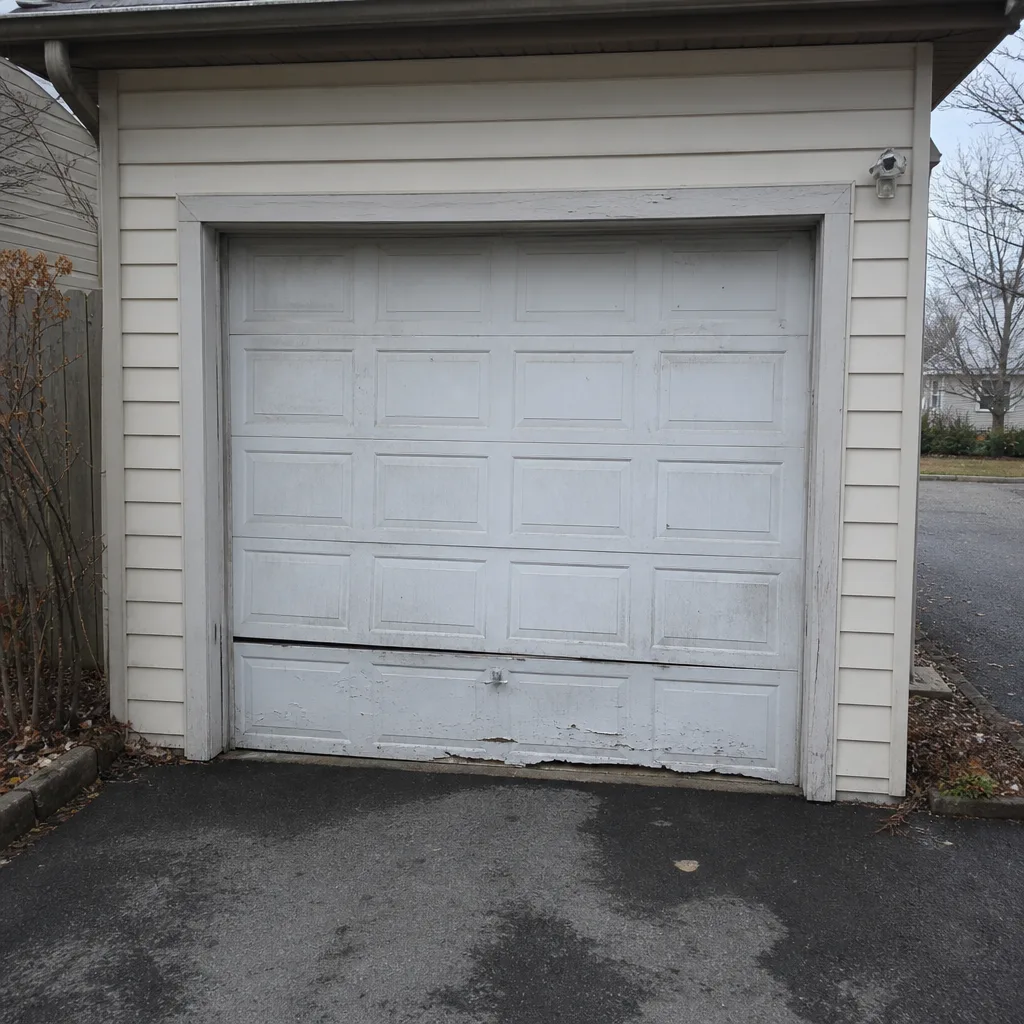 Before
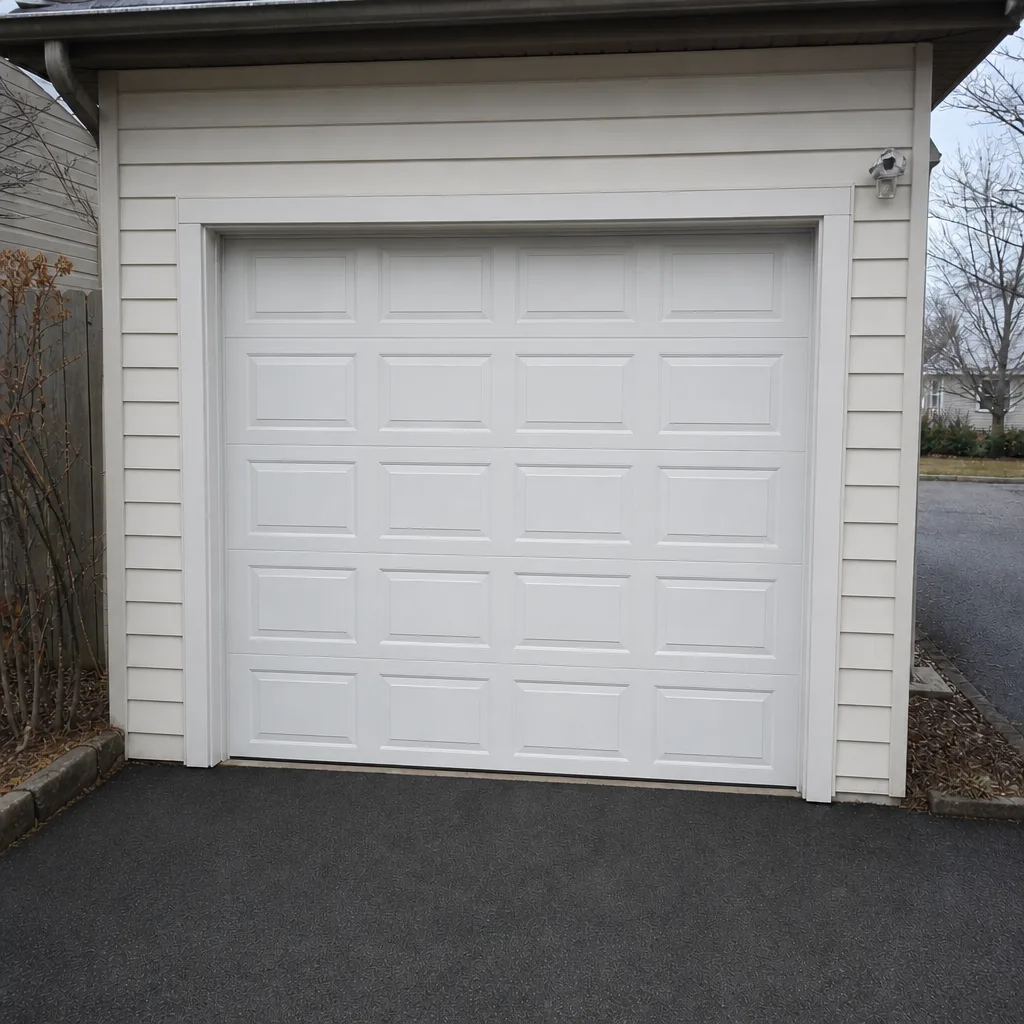 After
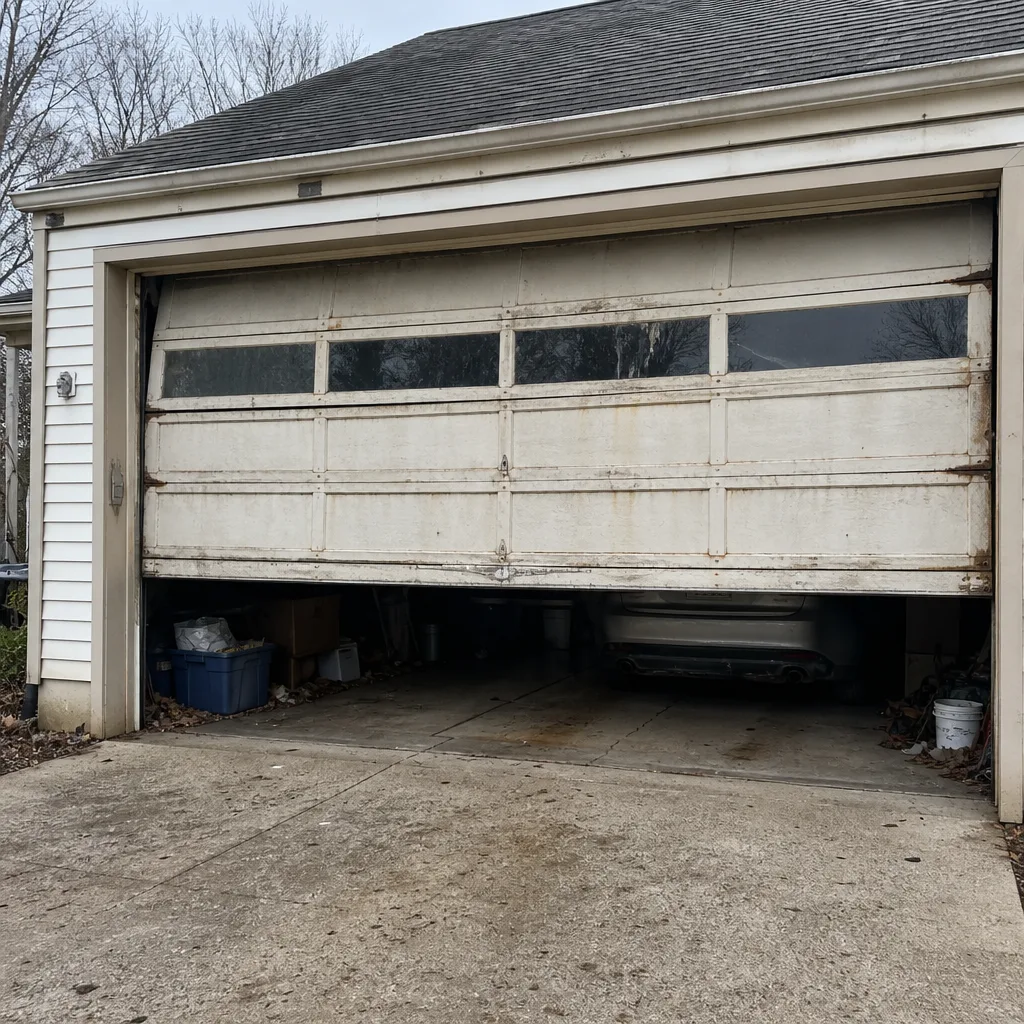 Before
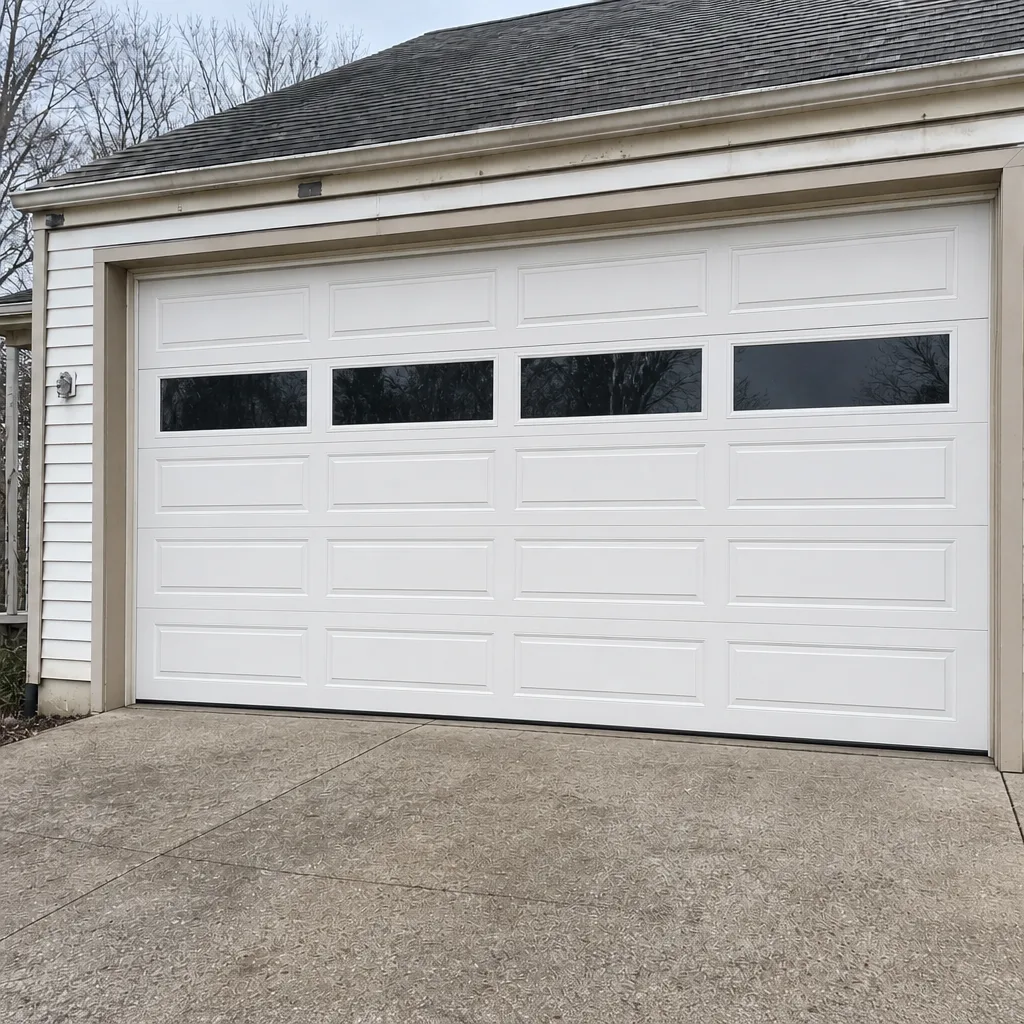 After
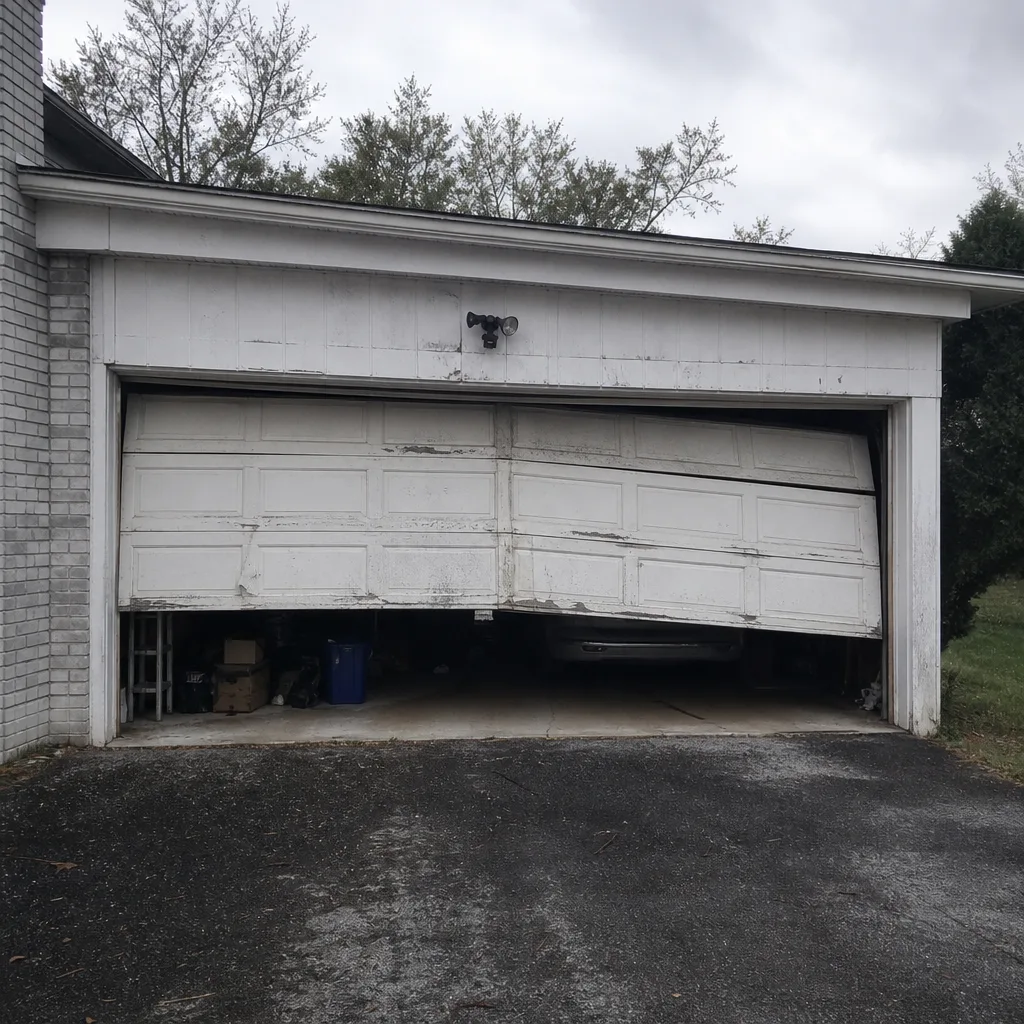 Before
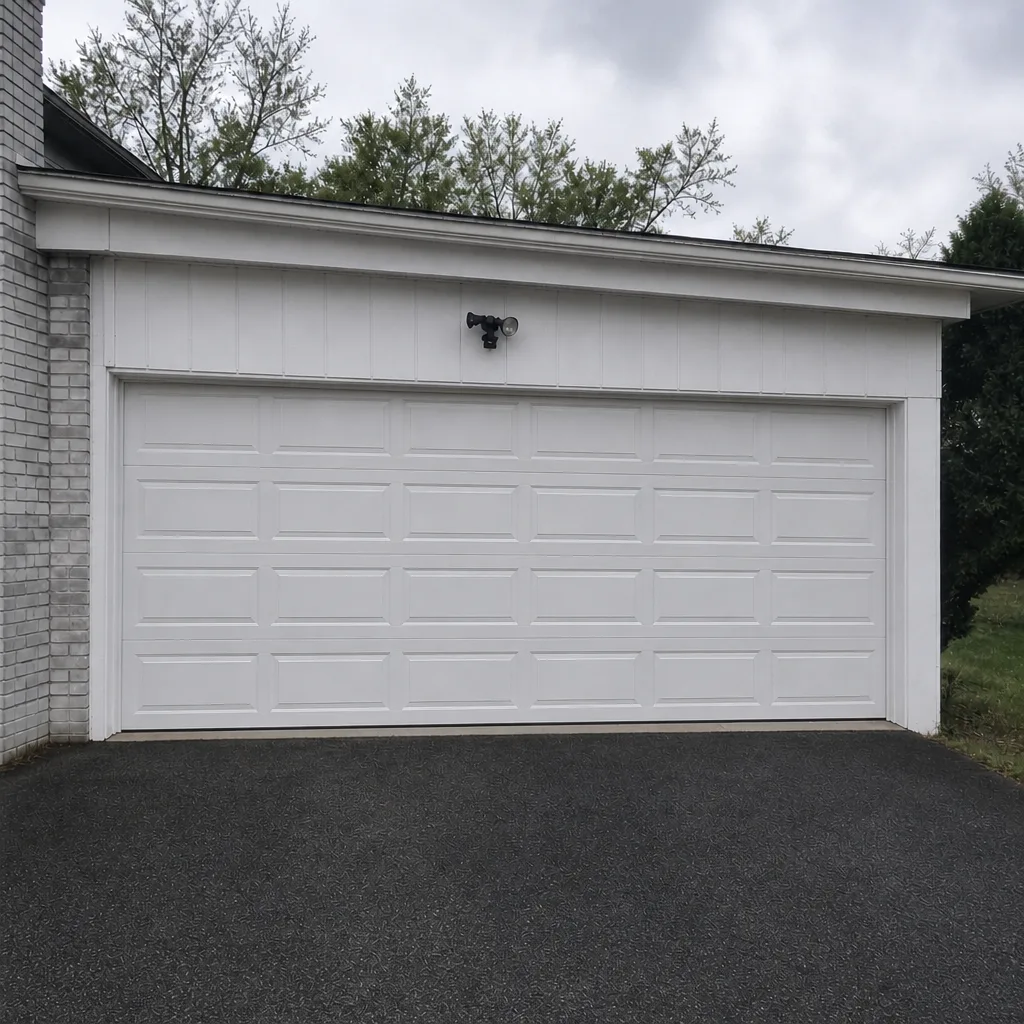 After
When to Call a Professional
Call a professional when the job crosses into a spring, cable, opener, or door installation scope. Spring and cable work is genuinely dangerous – the tension on a torsion spring is enough to break a wrist or worse if something slips – and it belongs in a trained technician’s hands, not yours. Call a professional when the door is on an attached garage and the plan touches framing or wiring, when you’re installing a new opener that might need a new circuit, and when the door won’t open or close safely and you need the problem diagnosed on-site. Leesburg Garage Door Repair offers free estimates in Leesburg – call (844) 427-1950. We answer 24/7. Fast dispatch from 7am to 7pm, Sunday through Friday.
Frequently Asked Questions
Usually no, if the replacement door fits the existing opening and doesn’t change framing, structure, or wiring. A like-for-like swap is generally treated as maintenance. If the project involves a new opening, a header change, or new electrical circuits, get a permit from Loudoun County Building and Development before work starts. Call (844) 427-1950 for a free estimate if you’re unsure which category your job falls into.
Not for a straight swap onto an existing opener circuit, which is what most LiftMaster and Chamberlain replacements involve. A permit comes into play when the installation requires a new circuit, a new outlet, or wiring through a fire-separated ceiling. In those cases, an electrician pulls the electrical permit.
Section R309 covers fire separation between an attached garage and the living space of a home, including the door between the garage and the house. It doesn’t govern the exterior garage door itself, but it governs the interior door, walls, and ceiling around it, and that matters when you’re changing framing or wiring in Leesburg.
The county can require you to retroactively permit and inspect the work, and title companies or buyer’s lenders in Loudoun County may ask for the permit history at resale. Homeowner’s insurance claims tied to that work can also see added friction. If you suspect the work wasn’t permitted, call Loudoun County Building and Development to ask about the process for curing it.
Loudoun County sets the permit fee on a published fee schedule that varies by project scope and valuation. The county’s permit technicians can quote the fee when you apply, so it’s worth a phone call before you commit to a project. The garage door work itself is custom priced per job by written estimate. Call (844) 427-1950 for a free estimate on the door side.
It depends on your HOA’s covenant language and what your neighbors have approved. Some Loudoun County HOAs restrict color, panel design, and window configuration, and most want manufacturer spec sheets. Submit your request before you commit to a door, and keep the approval in writing. Our technicians work with the door brands HOAs most often ask about – Clopay, Amarr, Wayne Dalton, and Craftsman – and can supply the spec sheets you need.
The Bottom Line
A garage door replacement in Leesburg usually skips the county permit, but a new opening, header change, or new electrical circuit doesn’t, and the paperwork follows the work long after the door is hung. Get HOA approval first, then the county permit if the scope needs one. Keep every inspection record with your home files. Call a licensed technician for anything involving a spring, cable, or opener wiring, because those are the parts of the job that cost far more than the estimate if something goes wrong. If you’re planning a project and want a straight answer on what the scope involves, call (844) 427-1950 for a free estimate. Estimates are free, and the price is quoted and agreed before any work starts. If you need Leesburg garage door repair, we’re ready to help.
Written by the team at Leesburg Garage Door Repair.