
Last updated November 23, 2026
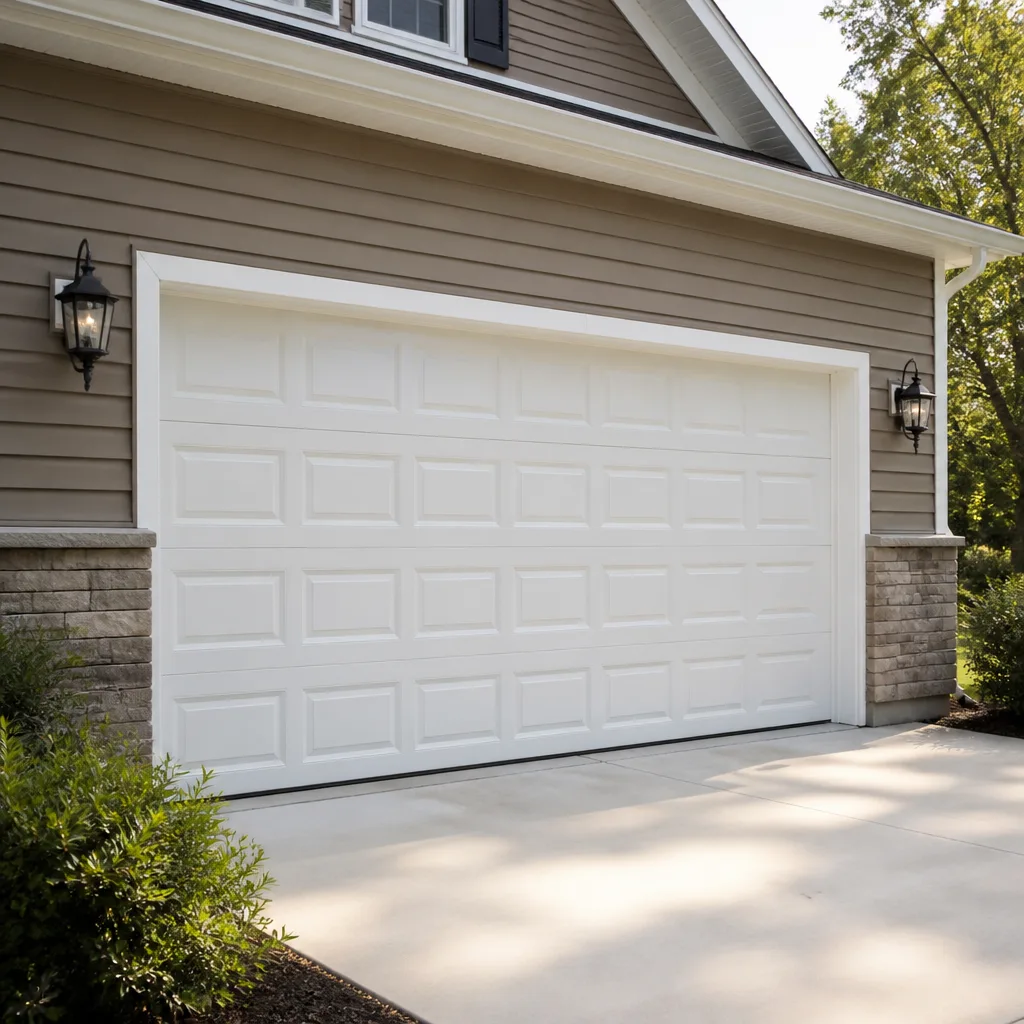 Raised-panel steel
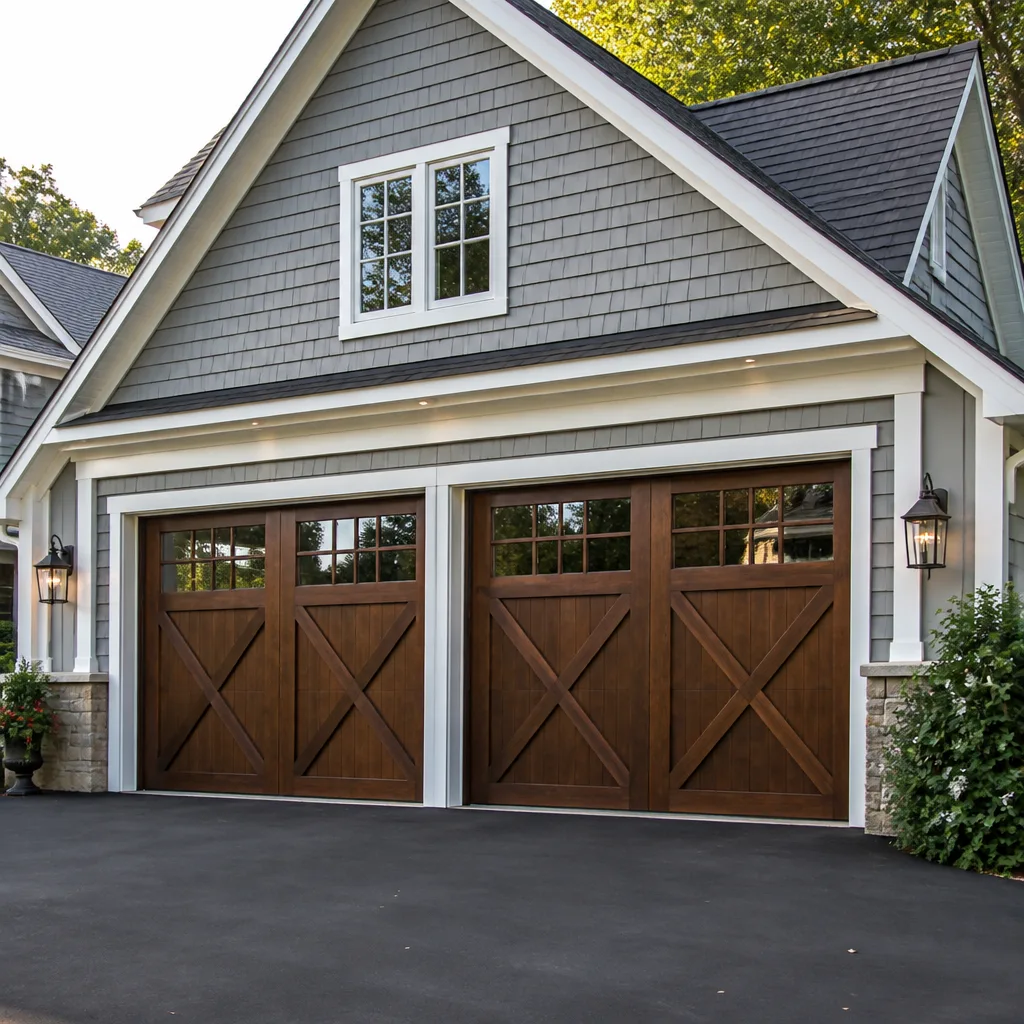 Carriage house
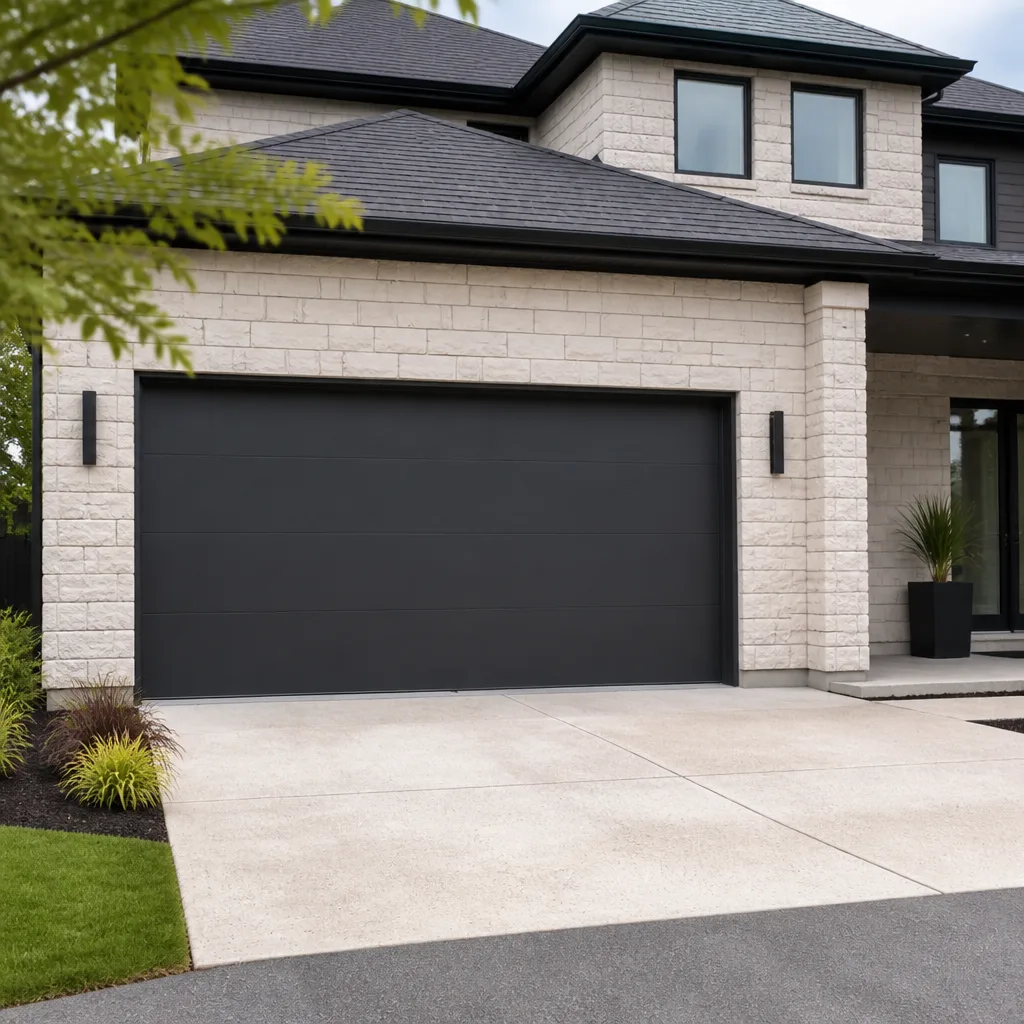 Modern flush
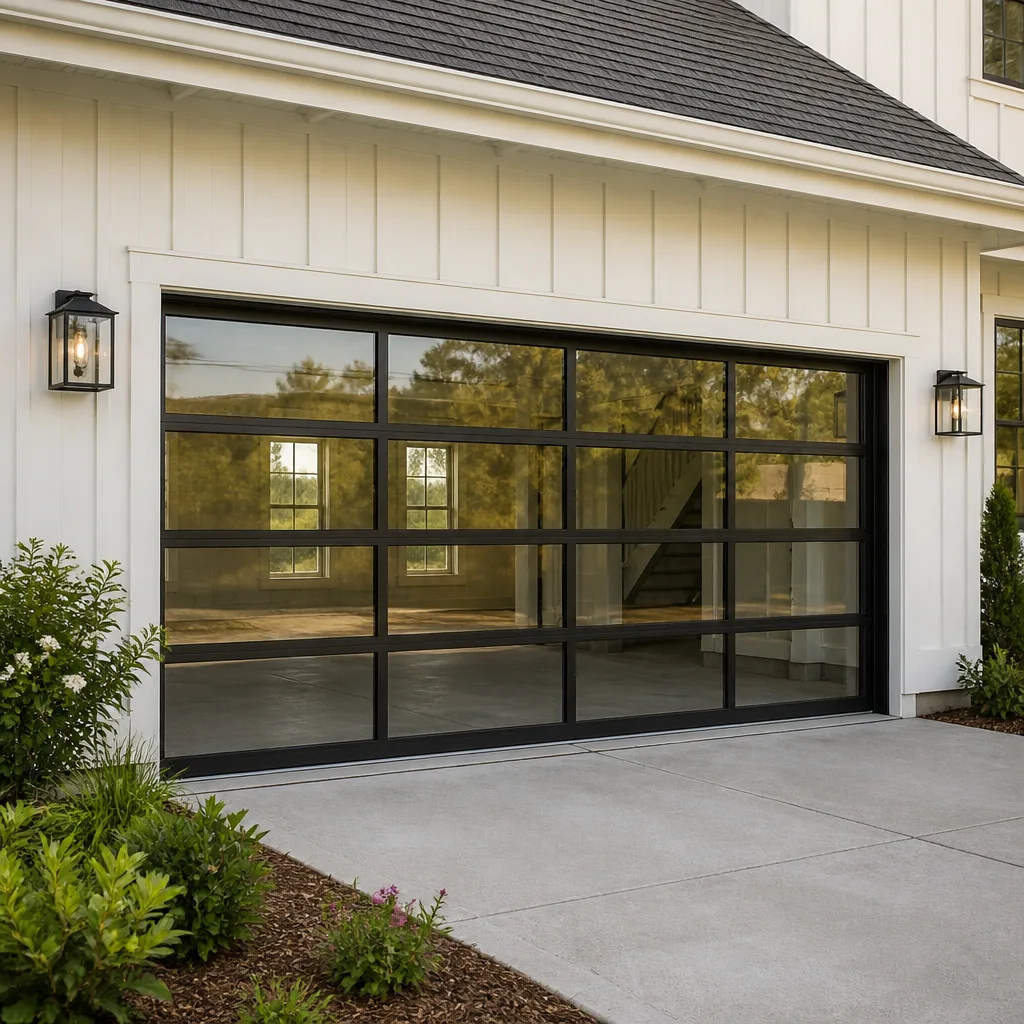 Full-view glass
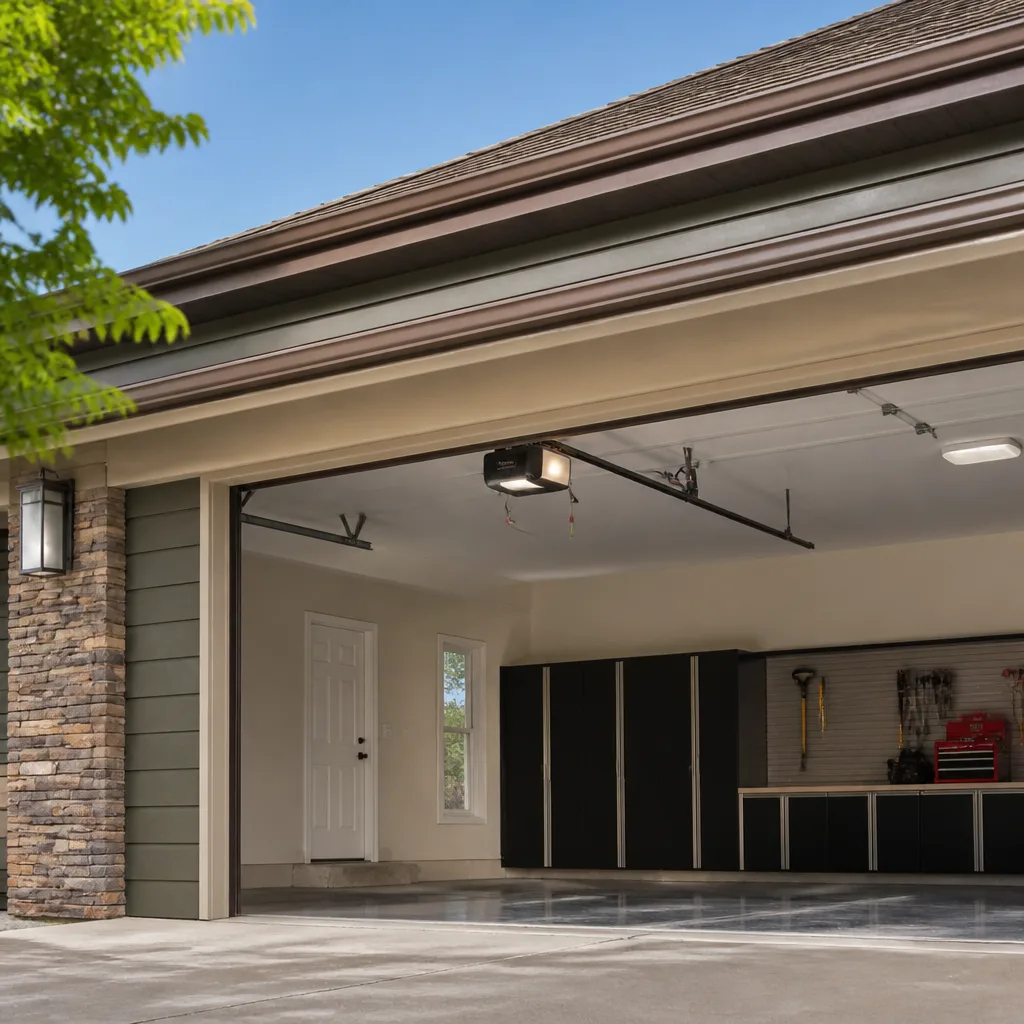 LiftMaster openers
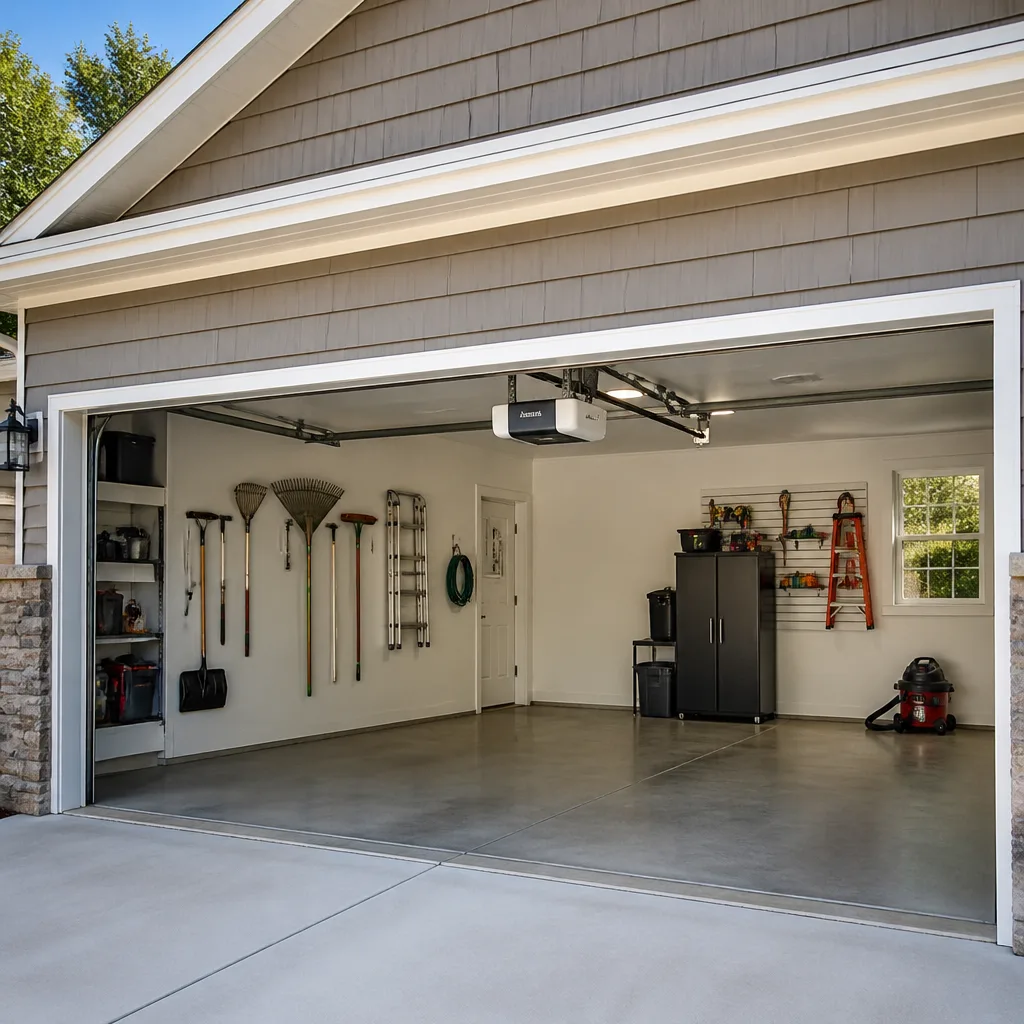 Chamberlain openers
Full 25-point door and opener safety check with every visit - springs, cables, rollers, tracks, and your LiftMaster or Chamberlain opener included
You get a price before we start. It does not change when the pro arrives.
Get your free estimateSeasonal Garage Door Care for Leesburg: Year-Round Homeowner’s Guide
Most garage door advice treats maintenance as one annual checkbox: lubricate the moving parts, listen for strange noises, done. That advice was written for a climate that doesn’t exist here. Leesburg puts a garage door through four different kinds of stress in a single year – summer humidity that works on metal and wood alike, winter cold that changes how every lubricant behaves, freeze-thaw cycles that move the ground under the threshold, and a pollen season that quietly blinds the safety sensors. This guide walks through what each season actually does to your door in Leesburg and exactly what to do about it, in order, so nothing gets missed.
Quick Answer
Garage door care in Leesburg should follow the seasons, not the calendar year: clean and treat hardware against summer humidity, inspect cables and the bottom anchor bracket in fall before the first freeze, switch to a low-temperature lubricant and check the threshold seal for freeze-bonding in winter, and clean the safety sensor lenses around mid-April when Northern Virginia’s pollen peaks. Each season gets one focused inspection, and torsion springs, cables, and openers belong in a trained technician’s hands, not yours.
Styles & brands we work with
- Raised-panel steel
- Carriage house
- Modern flush
- Full-view glass
- LiftMaster openers
- Chamberlain openers
Table of Contents
- Why Seasonal Care Matters More in Leesburg Than Most Guides Admit
- Summer: Humidity, Rust, and Swollen Wood
- Fall: The Pre-Winter Cable and Anchor Inspection
- Winter: Cold Lubricant, Stiff Metal, and Freeze-Bonding
- Spring: Pollen, Sensor Lenses, and False Reversals
- Year-Round: What R-Value Actually Does in an Attached Garage
- Brand and Model Notes for the Doors Common in Leesburg
- The Full Four-Season Checklist at a Glance
Why Seasonal Care Matters More in Leesburg Than Most Guides Admit
A garage door is a machine with dozens of moving parts, and every one of those parts reacts to temperature and moisture. In a mild, stable climate you can get away with an annual tune-up. Leesburg isn’t that climate. Summer humidity and winter cold pull the same hardware in opposite directions, months apart, every year. Spring and fall are the transition zones where the damage either gets caught early or gets a season to get worse.
Northern Virginia’s climate is genuinely four-season, and the extremes matter for the door. A January low around 24°F is cold enough to thicken standard garage door lubricant into a consistency that binds roller bearings rather than protecting them. Summer humidity that frequently runs above 70% gives bare steel springs and exposed hinges a reason to rust. The freeze-thaw cycles at the edges of the season heave the slab under the door and test the bottom seal’s ability to keep doing its job.
The good news: none of this requires a technician visit four times a year. Most of the seasonal routine is visual inspection and simple maintenance a homeowner can do. The value is in knowing what to look at and when, so the small problems get caught before they turn into snapped cables and broken springs.
Here’s how we think about it. A well-maintained door in Leesburg should last its full service life. A neglected one doesn’t fail all at once – it fails slowly, through a rusted spring coil in September, a seized roller in February, a sensor that keeps tripping because nobody cleaned it since last spring. Seasonal care is how you interrupt that chain before it reaches the failure. If a repair is past doing-it-yourself territory, that’s what Leesburg Garage Door Repair is here for.
Summer: Humidity, Rust, and Swollen Wood
Summer is the season that does quiet, cumulative damage. The two focus points are the torsion spring assembly overhead and any wood components on the door – both react to sustained humidity, and both are hard to inspect without knowing what to look for.
Torsion spring corrosion
Torsion springs are almost always bare oil-tempered steel, and bare steel in an unheated, unconditioned garage during a humid Northern Virginia summer is going to see moisture. It’s not a question of if a light surface oxidation forms on the coils – it’s how much. Surface rust alone won’t break a spring, but it becomes a starting point for pitting, and pitting is what weakens the wire over years. What slows it is the right surface treatment: a light coat of a garage-door-specific lubricant applied to the coils, hinges, rollers, and bearing plates, repeated through the season. WD-40 and general-purpose oils aren’t the right product for this; a garage door lubricant rated for both high humidity and low temperature is.
We recommend a light application in late spring, after the pollen has settled, and again mid-summer if the door sees daily use. A technician can tell you in a few seconds whether a spring is showing early corrosion or is already past the point where lubrication matters, which is exactly the kind of thing a spring inspection is for.
Wood panel swelling
If your door has wood or wood-composite panels, summer humidity swells the material. A tight fit in April is a binding fit in July. The fix is usually adjustment of the hinges or track alignment, not replacement – but the swelling needs to be caught before the door starts pulling the opener trolley out of alignment. In our experience, the panels that bind worst are the ones on doors whose lower rails sit closest to the ground, where humidity is highest.
Summer routine
- Wipe down the torsion spring coils and check for new rust rings.
- Apply garage-door-specific lubricant to hinges, rollers, and the opener rail.
- Look for wood panel swelling or binding along the lower rails.
- Test the balance: disconnect the opener and lift the door halfway by hand. It should hold.
Fall: The Pre-Winter Cable and Anchor Inspection
The single most important inspection of the year in Leesburg happens in fall, and it’s not the one most guides mention. It’s the bottom cable anchor point at the lowest corner of the door on each side, where the lift cable terminates. That anchor bracket sits close to the ground, catches wet leaves and debris, and holds moisture against bare steel in a way no other part of the door does.
When that anchor corrodes, the cable starts to move against a rough surface rather than a clean one. Over a winter or two, the cable itself can fray right at the fitting – the failure point most likely to leave a door hanging off one side. In our experience, more winter cable failures trace back to the bottom anchor bracket than to the cable’s condition at the top.
The fall inspection protocol, in order
- Look at the bottom cable anchor bracket on both sides. Any flaking rust or material loss on the bracket itself is a stop-and-call condition.
- Run a hand down the visible length of each lift cable (with the door closed and the opener disconnected). You’re feeling for fraying, kinks, or a cable that’s riding out of its groove.
- Clear all wet leaves and debris away from the bottom corners of the door opening and the tracks – they collect moisture against the door and the seal.
- Inspect the weather seal along the bottom edge for cracks or gaps before the cold sets them in place. A seal that’s already torn in November will leak all winter.
- Check the track for accumulated debris and confirm the rollers travel smoothly through the curved section.
If any step is ambiguous, have a technician confirm the cable condition and bracket wear before winter. It’s one of the quieter failure points in this trade, and a short annual check is all it takes to keep it from becoming the loud kind. A technician’s look at the cable assembly is worth the time, and garage door repair covers this kind of inspection as a routine part of the work.
Winter: Cold Lubricant, Stiff Metal, and Freeze-Bonding
Winter is when the wrong lubricant does more harm than good. A standard garage door grease thickens as temperature drops, and by the time you’re a few days below freezing, it stops flowing into the roller bearings and starts sitting in them. The rollers don’t turn – they drag, wearing flat spots on the wheels and pulling unevenly on the tracks. If you only do one thing to prepare a garage door for a Leesburg winter, switch to a lubricant rated for low temperature.
What “low-temperature rated” means in practice
- A working range down to about -20°F is the practical target for this area. It gives you margin well past a typical Leesburg January.
- Sprays and greases labeled for garage door use are usually formulated for this range – general auto grease isn’t.
- Apply after the fall inspection, not in the middle of a cold snap. The product needs an above-freezing temperature to seat properly.
Freeze-bonding and the threshold seal
The bottom threshold seal is exposed to everything the weather and the ground can throw at it, and it’s where freeze-bonding shows up first. After a wet freeze and thaw, the seal can bond to the slab as ice forms under it. The first time the door opens after that, the seal gets pulled loose in spots, and once it’s torn, it stays torn. In Leesburg the freeze-thaw cycles roll through every winter, so this isn’t a one-time risk – it’s a repeating one.
What to check: run a hand along the seal with the door down and look for places where it’s already torn, compressed flat, or no longer making contact. If the seal is intact, keep it clean and clear of snow at the bottom corners. If it’s already failing, replacing the seal now costs far less than repairing a door whose bottom panel has been rusting against standing moisture all winter.
Winter metal and cold-start noises
Cold metal contracts. The tracks, hinges, and spring hardware all shift slightly, and some of the “noises” that appear in January are just the mechanisms finding their cold-weather positions. Some aren’t. A sharp crack on opening is a different sound from a groan, and it deserves inspection rather than a wait-and-see. The same for a door that doesn’t open the whole way in cold weather – that’s often a balance or spring tension issue the cold makes worse, not a problem the cold caused.
A note on safety here. Torsion springs are under significant tension even when the door is closed and are the most mechanically dangerous component on a residential garage door. Never adjust, unwind, or remove one yourself, and never try to inspect cable or spring hardware while the door is moving. This is a job for a trained technician, and it’s why garage door spring repair is treated as a specialist job rather than a general repair. If a spring or cable gives way in cold weather, call (844) 427-1950. We answer 24/7, with fast dispatch from 7am to 7pm, Sunday through Friday.
Spring: Pollen, Sensor Lenses, and False Reversals
The highest-pollen window in Northern Virginia usually lands around mid-April, and it has a very specific effect on a garage door: it coats the safety sensor lenses. A garage door’s safety sensors are a pair of infrared eyes at the bottom of the tracks, and the door is designed to reverse if anything blocks the beam. A film of pollen on either lens is enough to break the beam, and the door treats it the same as an obstruction – meaning it refuses to close, or closes and immediately reverses. Most of the “my door won’t stay closed” calls in April and May trace to a dirty lens, not a failing sensor.
The spring sensor routine
- Clean both sensor lenses with a dry, soft cloth. Wipe in a straight line, not a circle, so you’re removing pollen rather than pushing it around.
- Check that the small indicator light on each sensor is solid rather than blinking. A blinking light on the receiving sensor usually means the beam is blocked or misaligned.
- After the pollen peak settles (late April into early May), clean once more. Pollen coats the lens in stages, and a single cleaning at the start of the season won’t hold.
- Wipe the lens of any opener that relies on the sensor pair – every opener with safety sensors has this issue, regardless of brand.
Pollen and the rest of the door
Pollen also collects in the track and hinge pins, and mixed with spring moisture it makes a sticky film that attracts dust. A quick wipe-down of the track and a fresh application of lubricant after the pollen peak is the spring equivalent of the fall cable inspection – small effort, catches the seasonal buildup before summer.
Opener issues that show up in spring
Smart openers tend to show their first symptoms of the year in spring because that’s when the door is being used most after a quieter winter and the app connectivity has been sitting. If the app shows the door as open when it’s closed, or the Wi-Fi opener drops connection intermittently, that’s usually a matter of signal pairing or a sensor issue rather than a hardware failure. Openers that handle their own diagnostics through the app (many LiftMaster and Chamberlain systems do this) often show the exact fault code. If the fault isn’t clear, garage door opener repair covers both older mechanical motors and the modern app-connected models.
Year-Round: What R-Value Actually Does in an Attached Garage
Most Leesburg homes have an attached garage, and that changes the maintenance conversation in a way that standalone garages don’t have to worry about. An attached garage shares at least one wall – often two, and sometimes the floor or ceiling – with the conditioned house. That shared surface is a heat path in both directions, and the door is the largest single opening on it. The seasons on one side of the door affect the temperature on the other side, which is why insulation and R-value aren’t just a winter comfort question.
What R-value does in each season
- Summer: A poorly insulated door acts as a heat radiator into the garage and, through the shared wall, into the rooms behind it. Because Leesburg summers run hot and humid, an insulated door reduces the load on the house’s cooling system and slows the humidity swings on the garage side of the wall.
- Fall: Insulation holds the garage to a more stable temperature through the transition, which stabilizes the swelling and contracting of wood components on the garage side of the shared wall.
- Winter: An insulated door slows heat loss from the house into the garage, which matters on any home with a furnace, water heater, or ductwork in the garage.
- Spring: The pollen season swing between warm afternoons and cool nights stresses the door assembly more than the hot or cold alone. Insulation softens that swing.
What to know about R-value as a decision
R-value is a measured thermal resistance, and a door’s rating should come from the manufacturer’s own published specifications for the model. Higher isn’t automatically better for a garage that’s vented or unconditioned – in that case the seasonal stability gain is more about the door’s own panel construction than the R-value number on the box. For a door facing an unheated or semi-heated space, the R-value is where the real benefit shows. If you’re weighing replacement, an informed conversation about door types and insulation is worth having before you buy.
Brand and Model Notes for the Doors Common in Leesburg
Seasonal maintenance routines are largely the same for every residential door, but the specifics vary by brand and model: where the sensors sit, what lubricant the manufacturer recommends, how the opener reports faults, which parts are user-serviceable and which aren’t. Knowing the make is half the job when something needs adjusting.
We work on any make and model a Leesburg homeowner has, and technicians arrive already familiar with the exact parts and procedures for the major residential brands. That matters most on doors where the components are proprietary – a Clopay panel with a specific hinge profile, an Amarr door whose track geometry has specific adjustment points, a Wayne Dalton model where the torque tube and spring differ from the standard, or a Craftsman opener whose safety-travel settings don’t respond the same way as newer units.
What to have ready when you call
- The door brand and model (usually on a sticker or plate inside the door or along the bottom rail).
- The opener brand and model, if the issue involves the motor or app.
- What the door does when it fails – won’t open, won’t close, reverses, stops partway, or makes a specific noise.
- Whether the failure is consistent or intermittent, and whether temperature seems to affect it.
Door brand and opener brand don’t have to match. The door and the opener are two separate systems, and a Clopay door with a Chamberlain opener is a completely normal pairing. When something goes wrong, knowing which of the two is at fault is the first step, and that’s where a trained eye saves time.
The Full Four-Season Checklist at a Glance
Here’s the whole annual cycle in one place. Print it, stick it inside the garage door, and mark off what you’ve done.
Summer (June – August)
- Wipe and lubricate torsion spring coils, hinges, rollers, and bearing plates.
- Inspect bare steel for new rust rings.
- Check wood or composite panels for humidity swelling.
- Test door balance with the opener disconnected.
- Reapply lubricant mid-season if the door sees daily use.
Fall (September – November)
- Inspect the bottom cable anchor bracket on both sides for corrosion.
- Run a hand along each visible lift cable, with the door closed and opener disconnected.
- Clear wet leaves and debris from the bottom corners and tracks.
- Check the bottom weather seal for cracks and gaps.
- Apply low-temperature-rated lubricant while temperatures are still above freezing.
Winter (December – February)
- Confirm lubricant is rated to at least -20°F.
- Check the threshold seal for freeze-bonding after wet freeze-thaw cycles.
- Listen for new noises on opening; sharp cracks deserve an inspection, not a wait.
- Call for spring or cable issues rather than adjusting anything yourself.
Spring (March – May)
- Clean both sensor lenses around mid-April when pollen peaks.
- Confirm the sensor indicator lights are solid, not blinking.
- Clean sensor lenses a second time after pollen settles, into early May.
- Wipe track and hinge pins, then reapply lubricant.
- Check smart opener apps for fault codes or connectivity drops.
Common Mistakes to Avoid
- Using the wrong lubricant in winter. Standard grease thickens in cold temperatures and stops protecting the rollers it’s supposed to serve. Switch to a low-temperature-rated garage door lubricant before the first freeze, not after the door starts groaning. It’s the single most common cold-weather mistake we see in Leesburg.
- Ignoring the bottom cable anchor until it fails. The anchor bracket at the lowest corner is where cables fail first, and it’s the part most homeowners never look at. Fall inspection of that bracket buys you a winter’s worth of cable life.
- Cleaning the sensor lens once and calling it done. Pollen in Northern Virginia coats the lens in stages, and a single wipe in early April doesn’t hold through May. Two cleanings around the mid-April peak prevent the false reversals that catch homeowners by surprise.
- Treating the threshold seal as a fixed part. In Leesburg, freeze-thaw cycles can tear a seal away from the door in a single winter if the seal is already compromised. Check the seal in the fall, not after the first cold snap.
- Trying to inspect or adjust torsion springs and cables yourself. Torsion springs are under significant tension even when the door is closed. There is no safe way for a homeowner to check or adjust them, and the wrong move can cause serious injury.
- Assuming a door noise is “just the cold.” Some winter sounds are normal contraction and some are the start of a failure. A sharp crack on opening is a call-a-professional sound, not a wait-and-see one.
- Skipping the balance test. A door that no longer holds halfway open is putting the strain on the opener rather than the springs, and that shortens both lives. Test it each season with the opener disconnected, and let a technician handle tension changes.
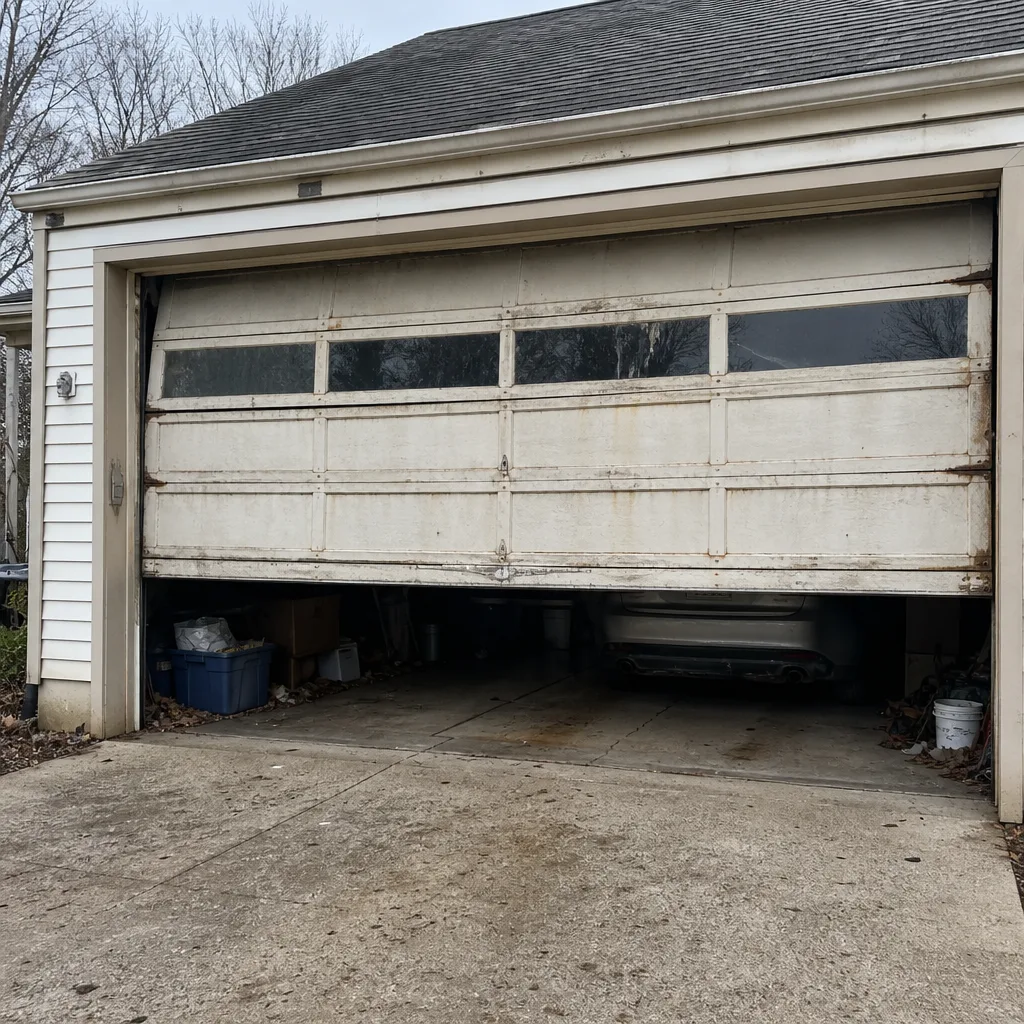
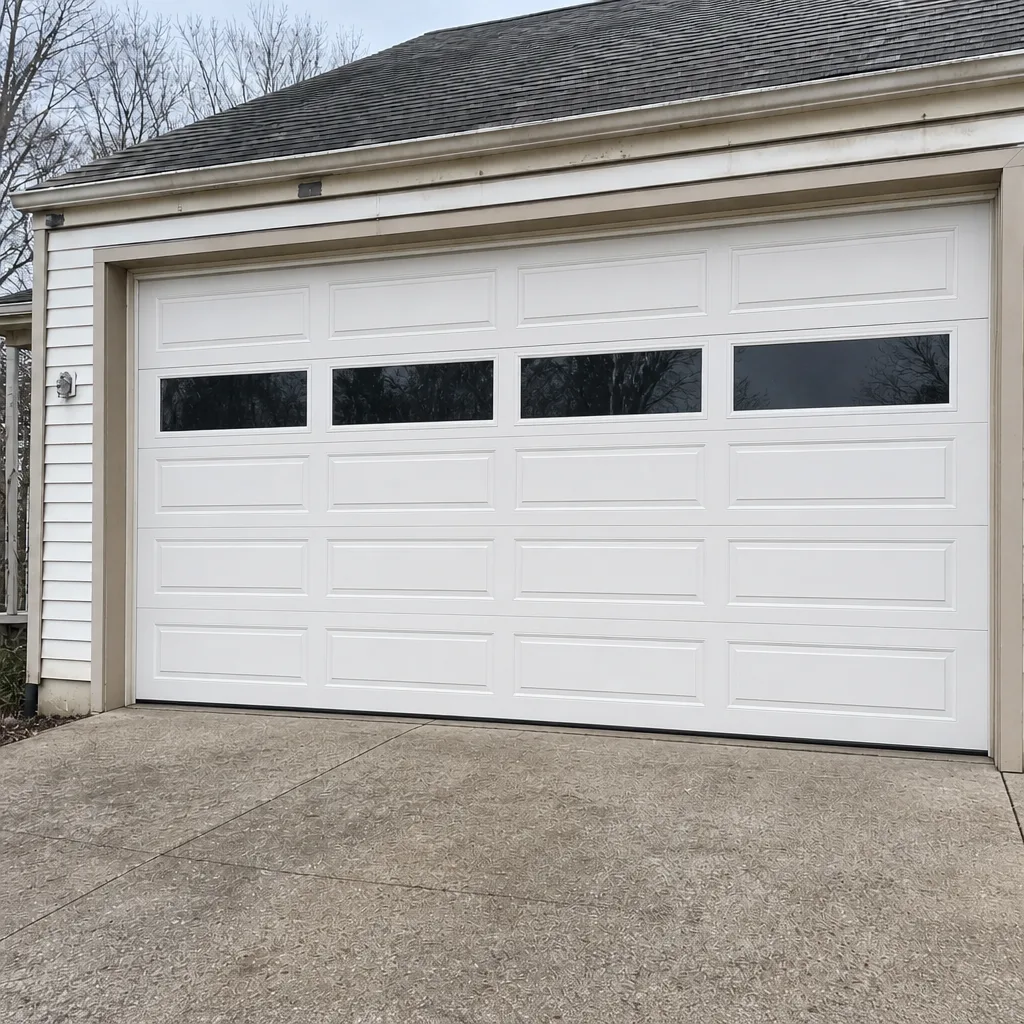
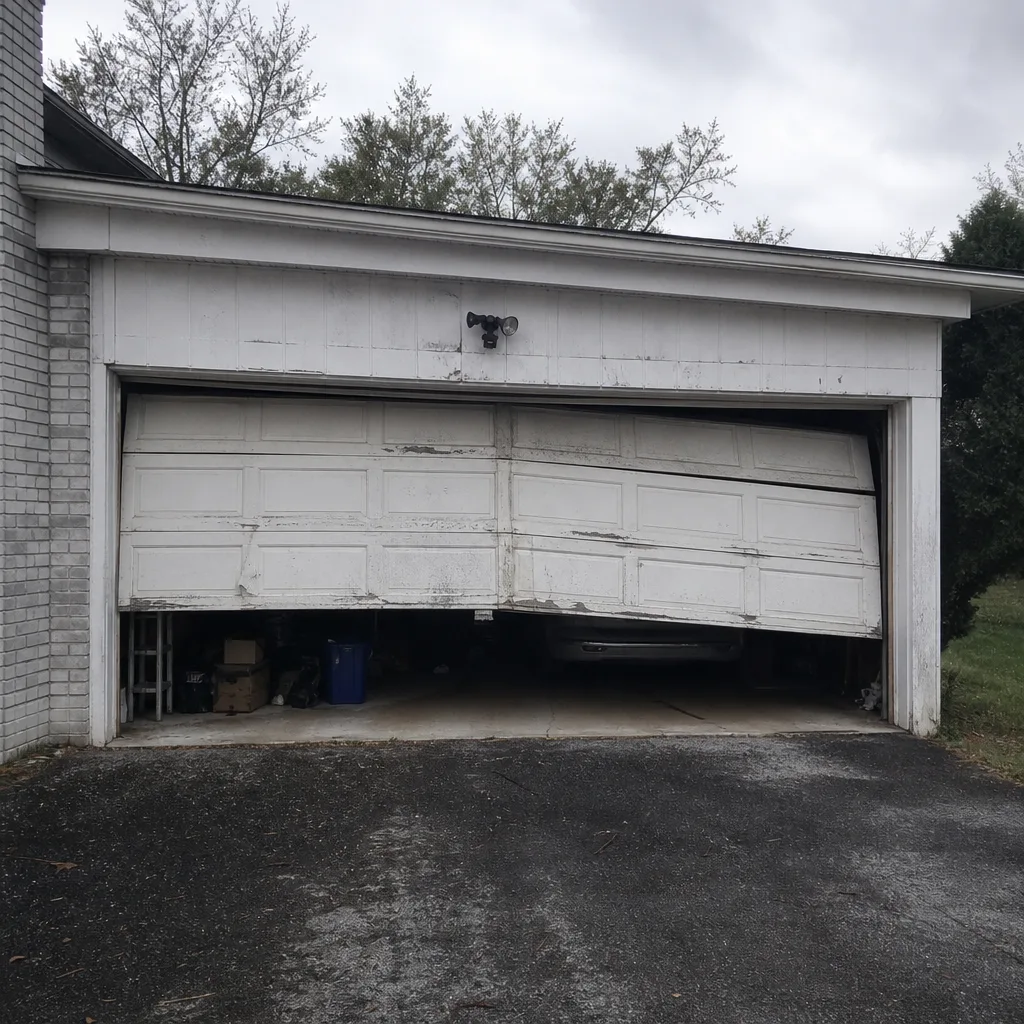
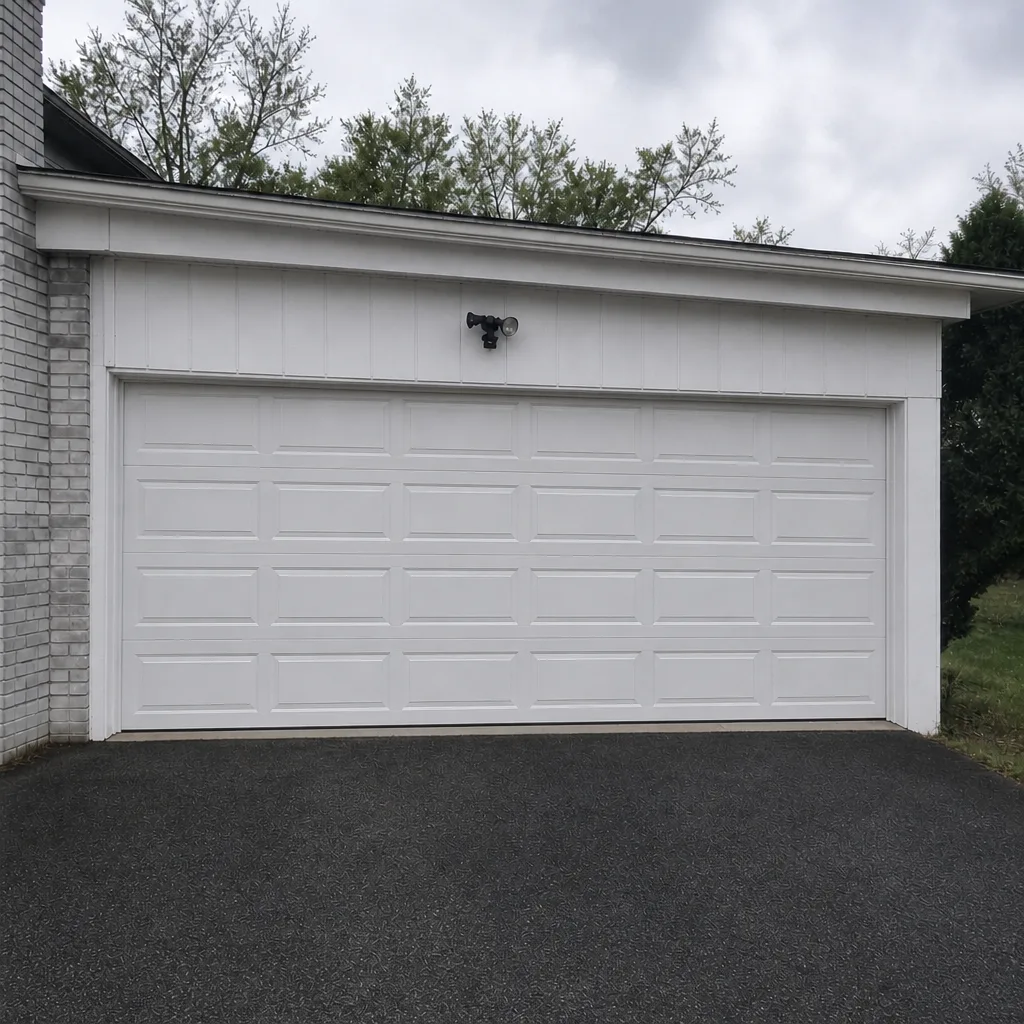
See the difference
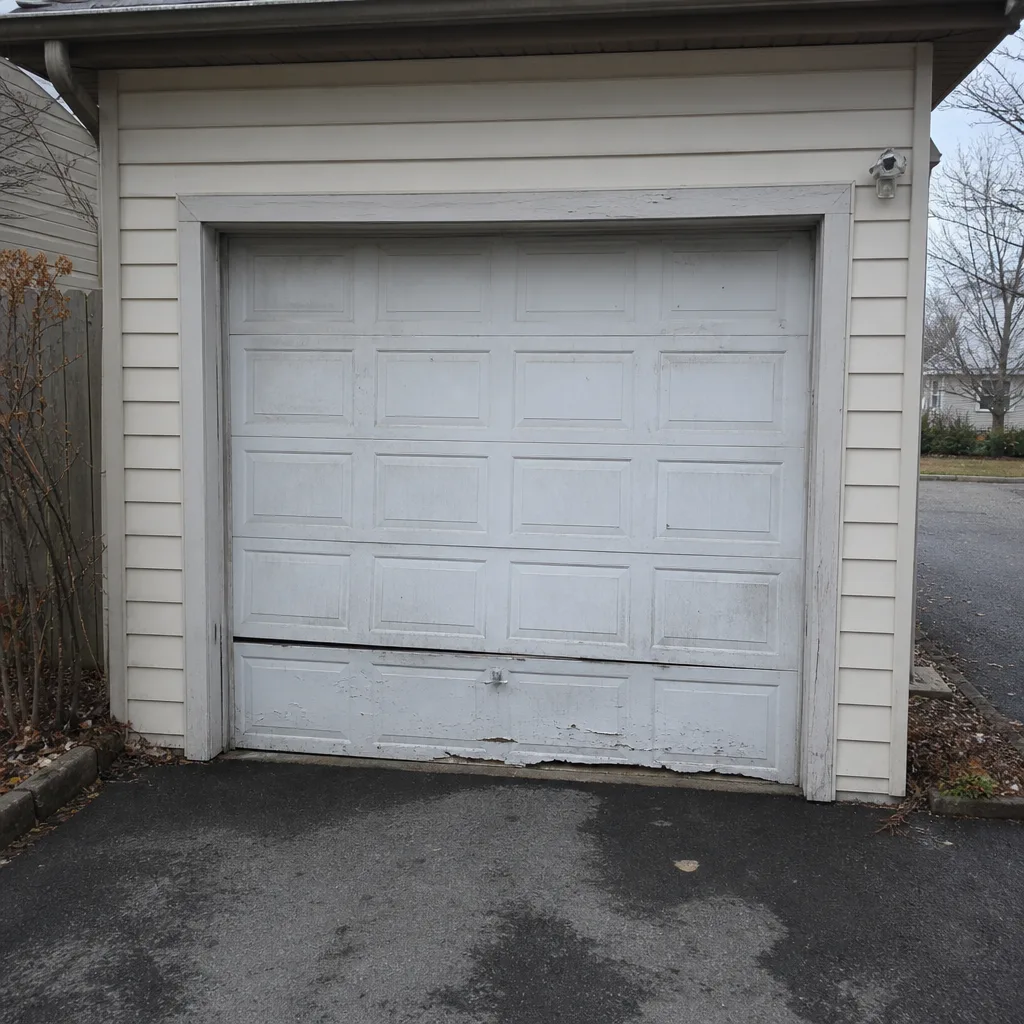 Before
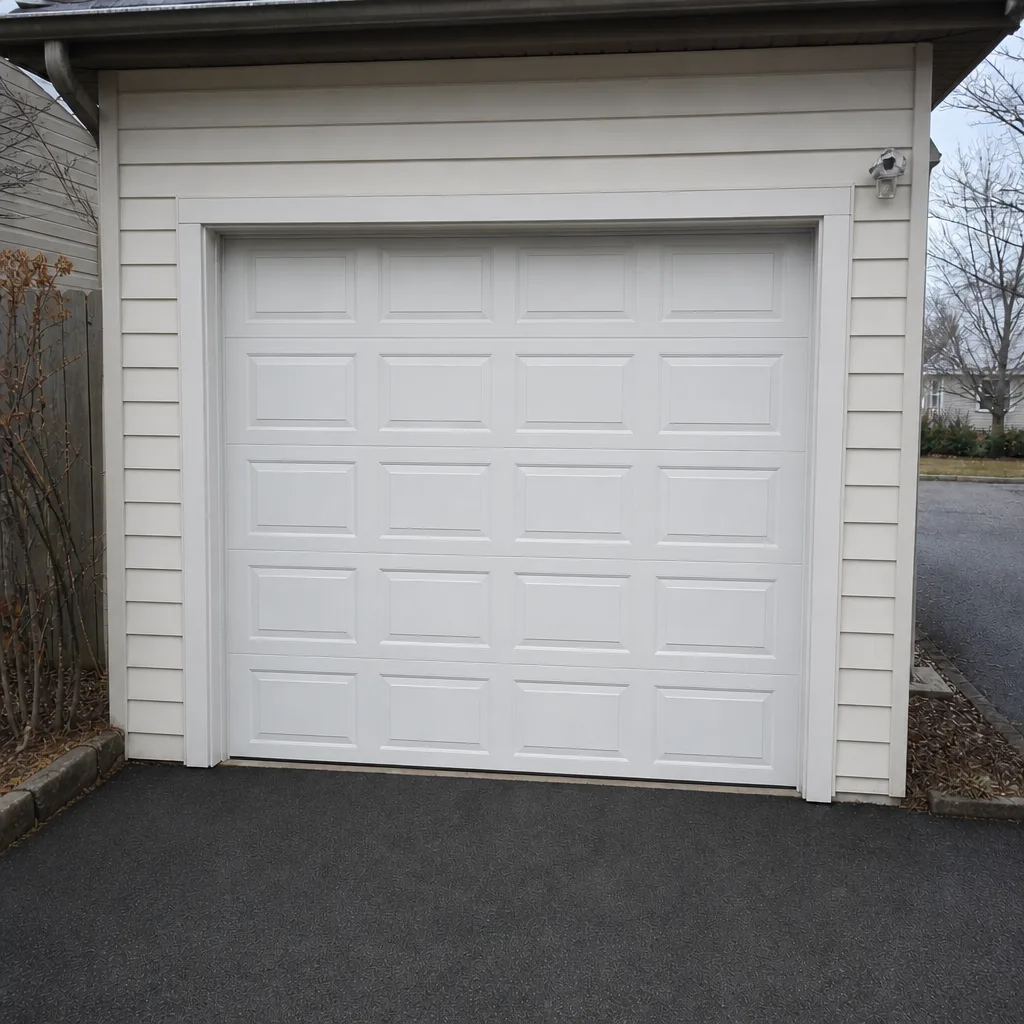 After
 Before
 After
 Before
 After
When to Call a Professional
Most of the seasonal routine above is homeowner work: cleaning, wiping, lubricating, testing. The moment the inspection turns up a cable that’s fraying, a spring with a visible break or clear pitting, a bracket with material loss at the bottom anchor, or a door that no longer tracks straight, that’s past the line. The same goes for openers that won’t learn travel limits, sensors that stay tripped after a cleaning, and any noise that sounds mechanical rather than environmental. A door that’s stuck – open or closed – is a professional call on its own. Our technicians bring up to 8 years of experience working on the exact brands a Leesburg home is most likely to have, and we handle repair, spring work, opener work, and complete installation under one roof so you’re not coordinating contractors. Leesburg Garage Door Repair offers free estimates in Leesburg – call (844) 427-1950 to arrange one.
Frequently Asked Questions
Yes. The four-season swing in Leesburg – humid summers above 70% average humidity, winters with January lows around 24°F, and freeze-thaw cycles at the edges – means the door should be inspected four times a year rather than once. The single annual check that works in mild climates misses exactly the seasonal windows that matter here: pre-freeze cable inspection in fall and sensor cleaning around the mid-April pollen peak.
A garage-door-specific lubricant rated for temperatures down to about -20°F. Standard grease thickens in the cold and stops protecting the roller bearings it’s meant to serve, and that’s what causes frozen or sluggish doors in January. Apply it in fall, while the temperature is still above freezing, then check it through the winter.
Yes. The safety sensors are a pair of infrared eyes at the bottom of the tracks, and a film of pollen on either lens breaks the beam just the way a physical obstruction does. The door refuses to close or reverses immediately, and the fix is a clean, dry cloth wiped across both lenses. In Northern Virginia the pollen peak is usually mid-April, and the sensor needs cleaning at least twice around it.
Lubricating hinges, rollers, the opener rail, and the visible surface of the torsion spring coils is safe when the door is closed and the opener is disconnected. Adjusting, unwinding, or removing a torsion spring is not – that part belongs strictly in a trained technician’s hands. If you’re unsure which part you’re looking at, call for an inspection before doing anything.
A technician is the right call when the door won’t move, a cable is fraying or sitting outside its groove, a spring is visibly pitted or broken, the bottom anchor bracket shows material loss, or the opener won’t learn travel limits. If a door fails outside of regular hours, call (844) 427-1950. We answer 24/7, with fast dispatch from 7am to 7pm, Sunday through Friday. A call outside dispatch hours is booked into the next opening.
It matters in both. An attached garage shares a wall with the conditioned house, so the door is the largest opening on that shared surface, and it draws heat into the garage in summer and lets it leak out in winter. Insulation stabilizes the garage temperature in both seasons, which also softens the freeze-thaw stress on the door itself. The specific R-value should come from the manufacturer’s published specs for the model, not from a general rule.
The Bottom Line
Seasonal care for a garage door in Leesburg isn’t one annual tune-up – it’s four small, focused inspections that line up with what the climate is actually doing to the door. Summer is for humidity control: lubricate the spring coils and watch the wood panels. Fall is for the bottom cable anchor and the seal, before the first freeze sets them in. Winter is about low-temperature lubricant and watching for freeze-bonding at the threshold. Spring is for the sensors, cleaned around the mid-April pollen peak and again after it settles. Do the routine yourself, and call a trained technician for anything involving springs, cables, or an opener that isn’t behaving. The door you maintain season by season is the door that doesn’t fail in the middle of one. For an inspection, repair, or a legacy-to-smart opener upgrade, call (844) 427-1950 for a free estimate – we handle any brand, any model, and we’ll give you a written price before any work starts.
Written by the team at Leesburg Garage Door Repair.